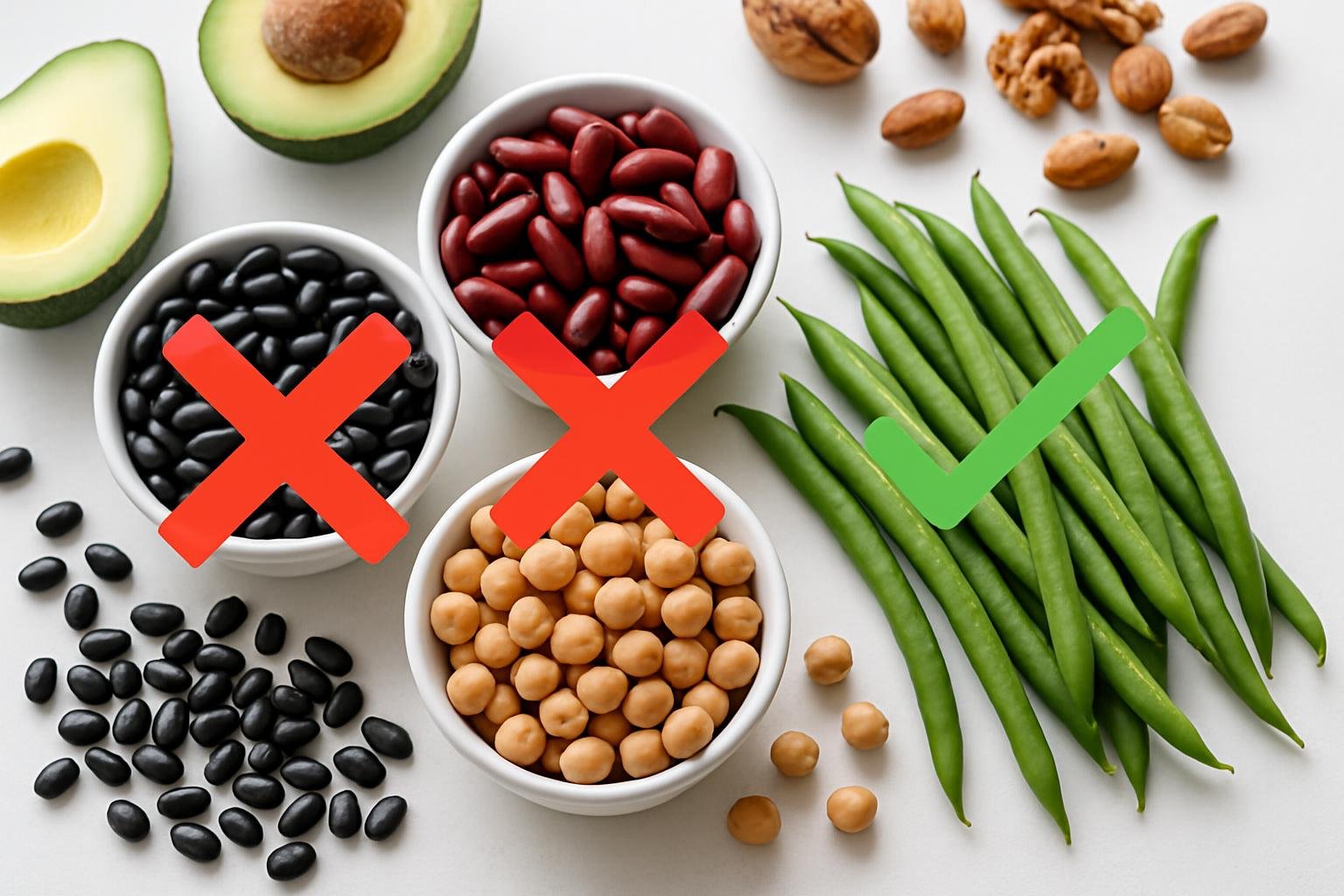
Are you tired of one-size-fits-all diets that promise the world but fail to deliver?
The world of nutrition is full of conflicting information, leaving you confused and frustrated. But what if there’s a solution that not only helps you shed those extra pounds but also improves your heart health and enhances your mental clarity?
Enter the low-carb and ketogenic diets. These diets have gained popularity in recent years, but what sets them apart from the rest? In this article, we will uncover the top 10 health benefits of low-carb and ketogenic diets that go beyond just weight loss. Prepare to be amazed as we challenge common beliefs and reveal the science-backed advantages of these groundbreaking eating plans.
Key Takeaways:
- Low-carb and ketogenic diets can lead to reduced appetite, helping you naturally eat fewer calories.
- These diets are highly effective for weight loss, often resulting in faster and more significant results compared to low-fat diets.
- By reducing abdominal fat, low-carb diets can lower the risk of heart disease and type 2 diabetes.
- Improved cholesterol levels, including an increase in “good” HDL cholesterol, are among the benefits of low-carb and ketogenic diets.
- These diets can help control blood sugar levels, making them beneficial for individuals with type 2 diabetes.
Reduced Appetite
One of the key benefits of low-carb eating is its ability to naturally reduce appetite, leading to a reduction in calorie intake. Numerous studies have consistently shown that when individuals cut down on carbs and increase their protein and fat consumption, they tend to consume fewer calories overall.

Low-carb diets have been found to have a satiating effect, which helps to decrease feelings of hunger and increase satisfaction after meals. This can be attributed to several factors:
- Improved blood sugar control: By reducing carbohydrate intake, the fluctuations in blood sugar levels are minimized, leading to more stable energy levels and reduced cravings.
- Increased protein intake: Protein is known to be highly satiating and can help regulate appetite by promoting a feeling of fullness. Low-carb diets naturally tend to be higher in protein, which can contribute to a reduced appetite.
- Enhanced fat intake: Dietary fat takes longer to digest compared to carbohydrates, resulting in a prolonged feeling of fullness after meals. This can help prevent excessive snacking and overeating throughout the day.
Overall, the combination of reduced carbohydrate intake, higher protein consumption, and increased fat content in low-carb diets can lead to a significant reduction in appetite, ultimately resulting in a lower calorie intake.
| Low-Carb Eating | Reduction in Appetite | Calorie Intake |
|---|---|---|
| Less consumption of carbohydrates | Decreased feelings of hunger | Automatic reduction in calorie intake |
| Increase in protein and fat consumption | Improved blood sugar control | Increased satiety and satisfaction after meals |
| Naturally higher protein content | Enhanced feeling of fullness | Prevention of excessive snacking |
By promoting a reduced appetite and regulating calorie intake, low-carb eating can be an effective strategy for weight management and overall health.
Increased Weight Loss
Cutting carbs is a simple and effective way to accelerate your weight loss journey. Numerous studies have shown that low-carb diets are more successful in promoting weight loss compared to low-fat diets, especially in the short term.
When you reduce your carb intake, your body switches to burning fat for energy instead of relying on glucose. This process, known as ketosis, can lead to faster weight loss due to increased fat metabolism.
Research has also found that low-carb diets often result in a greater reduction in overall calorie intake without experiencing excessive hunger. This is because foods rich in protein and healthy fats, which are typically allowed in low-carb diets, offer increased satiety and help control cravings.
Low-Carb vs. Low-Fat: A Comparison of Weight Loss
| Low-Carb Diets | Low-Fat Diets |
|---|---|
| Effective in promoting weight loss | May lead to slower weight loss |
| Can result in greater reduction in overall calorie intake | May not provide the same level of satisfaction, potentially leading to overeating |
| Faster weight loss without feeling hungry | Potential for hunger and difficulty adhering to the diet |
By adopting a low-carb diet, you can achieve your weight loss goals more efficiently while enjoying a variety of delicious and satisfying foods. Remember to consult with a healthcare professional or a registered dietitian to ensure that you have a well-balanced and personalized approach to your weight loss journey.
Reduced Abdominal Fat
One of the notable health benefits of low-carb diets is their effectiveness in reducing abdominal fat, which poses significant health risks. Abdominal fat, also known as visceral fat, is the fat that accumulates around your internal organs in the abdominal cavity.
Studies have shown that the fat lost on low-carb diets primarily comes from the abdominal cavity, which is particularly linked to inflammation and insulin resistance. By targeting and reducing this harmful abdominal fat, low-carb diets can have a positive impact on your health and well-being.
Excess abdominal fat is associated with an increased risk of developing heart disease and type 2 diabetes. It is also linked to other health conditions such as metabolic syndrome and certain types of cancer. Therefore, adopting a low-carb diet can help mitigate these health risks by effectively reducing abdominal fat.
By incorporating a low-carb eating plan, you can take significant steps towards improving your overall health and reducing the potential risks associated with abdominal fat.
Reducing abdominal fat through a low-carb diet can lower the risk of heart disease and type 2 diabetes.
Improved Cholesterol Levels
When it comes to cholesterol levels, low-carb diets can have a positive impact on your heart health. These diets are high in healthy fats, which can lead to an impressive increase in “good” HDL cholesterol levels.
HDL cholesterol, also known as high-density lipoprotein, plays a crucial role in reducing the risk of heart disease. It helps remove low-density lipoprotein (LDL) cholesterol from your bloodstream, preventing plaque buildup in your arteries.
Studies have shown that low-carb diets can significantly raise HDL cholesterol levels, thereby improving the overall cholesterol profile and reducing the risk of cardiovascular issues.
By incorporating low-carb eating into your lifestyle, you can optimize your cholesterol levels and promote heart health. However, it’s essential to note that individual responses may vary, and consulting with a healthcare professional is always recommended.
| Benefit | Description |
|---|---|
| Increased HDL Cholesterol Levels | Low-carb diets can lead to an impressive increase in “good” HDL cholesterol levels. |
| Reduced LDL Cholesterol Levels | Low-carb diets may also help lower “bad” LDL cholesterol levels, which are associated with an increased risk of heart disease. |
| Improved Cholesterol Ratio | By raising HDL cholesterol and reducing LDL cholesterol, low-carb diets can improve the cholesterol ratio, which is a strong predictor of heart disease risk. |
In addition to increasing HDL cholesterol, low-carb diets have been shown to improve various other markers of heart health, such as reducing triglyceride levels and blood pressure.
With the positive impact of low-carb diets on cholesterol levels, it’s clear that these dietary choices can contribute to a healthier cardiovascular system. However, it’s essential to remember that a balanced approach to nutrition and lifestyle is key to overall well-being.
Better Blood Sugar Control
For individuals with diabetes or insulin resistance, low-carb and ketogenic diets can be incredibly beneficial in controlling blood sugar levels. These diets focus on reducing carbohydrate intake and increasing fat and protein consumption, which can lead to improved management of type 2 diabetes. Following a low-carb diet has been shown to lower both blood sugar and insulin levels, which are key factors in diabetes control.
Many people with type 2 diabetes have experienced significant improvements in blood sugar control by adopting a low-carb or ketogenic diet. Some have even been able to reduce or eliminate their glucose-lowering medications as a result. This dietary approach allows for stable blood sugar levels throughout the day and helps individuals maintain better overall health.
The Science Behind Blood Sugar Control
A low-carb or ketogenic diet restricts the intake of carbohydrates, which are broken down into glucose in the body. By reducing carb consumption, there is a decreased amount of glucose available in the bloodstream. As a result, insulin levels drop, and the body becomes more efficient at using stored fat for fuel instead of relying on glucose. This switch to using fat as the primary energy source leads to a more stable blood sugar level.
Studies have consistently shown that low-carb and ketogenic diets can help individuals with type 2 diabetes improve their blood sugar control. Research published in the journal Diabetes Care found that a low-carbohydrate diet resulted in significantly lower blood sugar levels and reduced medication use among individuals with type 2 diabetes compared to a standard low-fat diet.
Personalized Approach to Blood Sugar Control
It is important to note that while low-carb and ketogenic diets can be effective in blood sugar control, individual results may vary. Some people may need to adjust their medication dosages or monitor their blood sugar more closely when making significant changes to their diet. Consultation with a healthcare professional, such as a registered dietitian or endocrinologist, is recommended to personalize the approach and ensure proper monitoring.
By adopting a low-carb or ketogenic diet, individuals with type 2 diabetes can gain better control over their blood sugar levels and potentially reduce their reliance on medication. This dietary approach offers a promising and natural way to manage diabetes and improve overall health.
Reduced Risk of Heart Disease
Following a low-carb diet can have significant implications for reducing the risk of heart disease. Research has shown that these diets can have positive effects on various heart health markers, including blood pressure, cholesterol levels, and triglycerides.
One of the major benefits of adopting a low-carb eating plan is the impact it has on blood pressure. Studies have demonstrated that reducing carbohydrate intake can lead to a decrease in both systolic and diastolic blood pressure levels. By managing blood pressure effectively, individuals can significantly reduce their risk of developing heart disease and related complications.
Additionally, low-carb diets have been shown to improve cholesterol levels, particularly by increasing levels of high-density lipoprotein (HDL) cholesterol, commonly known as the “good” cholesterol. HDL cholesterol plays a crucial role in removing low-density lipoprotein (LDL) cholesterol, or the “bad” cholesterol, from the bloodstream, preventing the buildup of plaque in the arteries and reducing the risk of heart disease.
Furthermore, low-carb diets have been found to be effective in reducing triglyceride levels. Triglycerides are a type of fat found in the blood that can contribute to the development of heart disease when elevated. By following a low-carb eating plan, individuals can lower their triglyceride levels, promoting heart health and reducing the risk of cardiovascular complications.
The Connection Between Low-Carb Diets and Heart Health
The benefits of low-carb diets on heart health can be attributed to their ability to regulate blood sugar levels, improve insulin sensitivity, and reduce inflammation. High carbohydrate consumption can lead to elevated blood sugar levels, increased insulin production, and chronic inflammation, which are all risk factors for heart disease.
By limiting carbohydrate intake, individuals can better control their blood sugar levels and improve insulin sensitivity. This can help prevent insulin resistance, a condition that can increase the risk of developing type 2 diabetes and heart disease.
Moreover, low-carb diets promote the consumption of nutrient-dense foods that are rich in heart-healthy fats, such as avocados, olive oil, nuts, and seeds. These foods help reduce inflammation in the body and provide essential nutrients that support cardiovascular health.
In summary, adopting a low-carb diet can significantly reduce the risk of heart disease by improving blood pressure, cholesterol levels, and triglycerides. By managing these important heart health markers, individuals can take proactive steps towards maintaining a healthy cardiovascular system.
Enhanced Brain Function
The ketogenic diet has shown significant efficacy in improving brain function, making it a promising therapeutic approach for various brain disorders. One of the most notable applications of the ketogenic diet is in the treatment of epilepsy, particularly in children.
Epilepsy is a neurological disorder characterized by recurrent seizures. Traditional treatment options for epilepsy include medication, but in some cases, they may not provide adequate seizure control or come with undesirable side effects. The ketogenic diet has emerged as an effective alternative for managing epilepsy.
The ketogenic diet is a low-carbohydrate, high-fat diet that induces a metabolic state called ketosis. In this state, the body derives energy from ketone bodies produced in the liver, rather than the glucose obtained from carbohydrates. Ketones provide a more stable and efficient energy source for the brain.
Studies have shown that the ketogenic diet can significantly reduce the frequency and severity of seizures in individuals with epilepsy. In some cases, it may even lead to complete seizure control. This dietary approach can be particularly beneficial for children with epilepsy who do not respond well to traditional medication.
Furthermore, the neuroprotective benefits of the ketogenic diet extend beyond epilepsy. Research suggests that ketones produced during ketosis protect and strengthen brain cells, potentially offering therapeutic effects for other brain disorders such as Alzheimer’s and Parkinson’s disease.
Alzheimer’s disease is a progressive neurodegenerative disorder characterized by memory loss and cognitive decline. The ketogenic diet has shown promise in improving memory and cognitive function in individuals with Alzheimer’s disease.
Parkinson’s disease is a chronic movement disorder caused by the degeneration of dopamine-producing neurons in the brain. The ketogenic diet has been found to enhance the production and utilization of dopamine, potentially alleviating some of the symptoms associated with Parkinson’s disease.
To better understand the potential impact of the ketogenic diet on brain function, further research is needed. Nonetheless, the existing evidence suggests that this dietary approach holds neuroprotective benefits and may be a valuable adjunct therapy for individuals with various brain disorders.
Ketogenic Diet and Brain Disorders
| Brain Disorder | Impact of Ketogenic Diet |
|---|---|
| Epilepsy | Significant reduction in seizures and improved seizure control. |
| Alzheimer’s Disease | Potential improvement in memory and cognitive function. |
| Parkinson’s Disease | Possible alleviation of symptoms and enhanced dopamine production. |
The neuroprotective benefits of the ketogenic diet make it an intriguing avenue for future research and clinical application in the field of brain health. By harnessing the power of ketosis, this dietary approach has the potential to revolutionize the treatment and management of various brain disorders.
Potential Cancer Prevention
Limited research suggests that the ketogenic diet may have some beneficial effects in preventing and treating certain cancers. The ketogenic diet is a low-carb, moderate-protein, and high-fat diet that has gained popularity for its potential health benefits.
Studies have shown that the ketogenic diet can alter the metabolism and energy production of cancer cells. Cancer cells primarily rely on glucose for fuel, but the ketogenic diet restricts carbohydrate intake, forcing the body to enter a state of ketosis. In this state, the body produces ketones, which serve as an alternative fuel source.
Research suggests that the ketogenic diet may cause more oxidative stress in cancer cells than in normal cells. Cancer cells have impaired antioxidant defense mechanisms, making them vulnerable to this increase in oxidative stress. It is believed that the elevated levels of oxidative stress induced by the ketogenic diet can selectively kill cancer cells while sparing normal cells.
While these findings are promising, it is important to note that the research in this area is still limited and primarily based on animal studies and preliminary clinical trials. More research is needed to fully understand the potential benefits of the ketogenic diet in cancer prevention and treatment.
It is essential to consult with a healthcare professional before making any significant dietary changes, especially for individuals undergoing cancer treatment. The ketogenic diet should be considered as a complementary treatment and not a substitute for conventional cancer therapies.
| Study | Findings |
|---|---|
| Study 1 | Preliminary evidence suggests that the ketogenic diet may have anti-tumor effects in animal models. However, human studies are needed to confirm these findings. |
| Study 2 | Animal studies show that the ketogenic diet may improve the effectiveness of chemotherapy and radiation therapy. It may enhance the sensitivity of cancer cells to these treatments. |
| Study 3 | Case studies on individuals with certain types of cancer have reported positive outcomes when following a ketogenic diet as a complementary treatment. However, more research is needed to determine its efficacy. |
Conclusion
In conclusion, incorporating a low-carb and ketogenic diet into your lifestyle can provide numerous health benefits. These diets have been shown to promote weight loss by reducing appetite and calorie intake. Additionally, they can improve heart health by reducing abdominal fat, improving cholesterol levels, and controlling blood sugar.
Moreover, low-carb and ketogenic diets have been found to enhance mental clarity and brain function. They may have potential therapeutic effects for conditions like epilepsy and could even play a role in cancer prevention. However, further research is needed to fully understand their impact on these conditions.
When considering a low-carb or ketogenic diet, it is important to choose nutrient-dense foods and consult with a healthcare professional for personalized guidance. By following a well-planned low-carb or ketogenic diet, you can optimize your health and enjoy the numerous benefits they offer.
FAQ
Are low-carb diets effective for weight loss?
Yes, low-carb diets have been shown to lead to more weight loss, especially in the short term, compared to low-fat diets. People on low-carb diets often experience faster weight loss without feeling hungry.
Can low-carb diets reduce abdominal fat?
Yes, low-carb diets are particularly effective at reducing harmful abdominal fat. The fat lost on these diets tends to come from the abdominal cavity, which is associated with inflammation and insulin resistance. By reducing abdominal fat, low-carb diets can reduce the risk of heart disease and type 2 diabetes.
How do low-carb diets improve cholesterol levels?
Low-carb diets, which are high in healthy fats, can lead to an impressive increase in “good” HDL cholesterol levels. This improvement in cholesterol levels can have a positive impact on heart health.
Can low-carb and ketogenic diets help with blood sugar control?
Yes, these diets have been found to be helpful for people with diabetes and insulin resistance. They can lower blood sugar and insulin levels, potentially leading to better management of type 2 diabetes. Some individuals have even reduced or eliminated their glucose-lowering medication by following a low-carb diet.
Do low-carb diets reduce the risk of heart disease?
Yes, low-carb diets can reduce the risk of heart disease by lowering blood pressure, improving cholesterol levels, and reducing triglycerides. These diets have shown positive effects on heart health markers.
Do ketogenic diets have benefits for brain function?
Yes, the ketogenic diet has been used for decades to treat epilepsy in children and has shown significant reductions in seizures. It also has the potential to be therapeutic for other brain disorders such as Alzheimer’s and Parkinson’s disease. Ketones produced during ketosis provide neuroprotective benefits and can strengthen and protect brain cells.
Can the ketogenic diet help prevent cancer?
Limited research suggests that the ketogenic diet may have some beneficial effects in preventing and treating certain cancers. It may cause more oxidative stress in cancer cells than in normal cells, leading to their death. However, more studies are needed to fully understand the potential benefits of the ketogenic diet in cancer prevention and treatment.