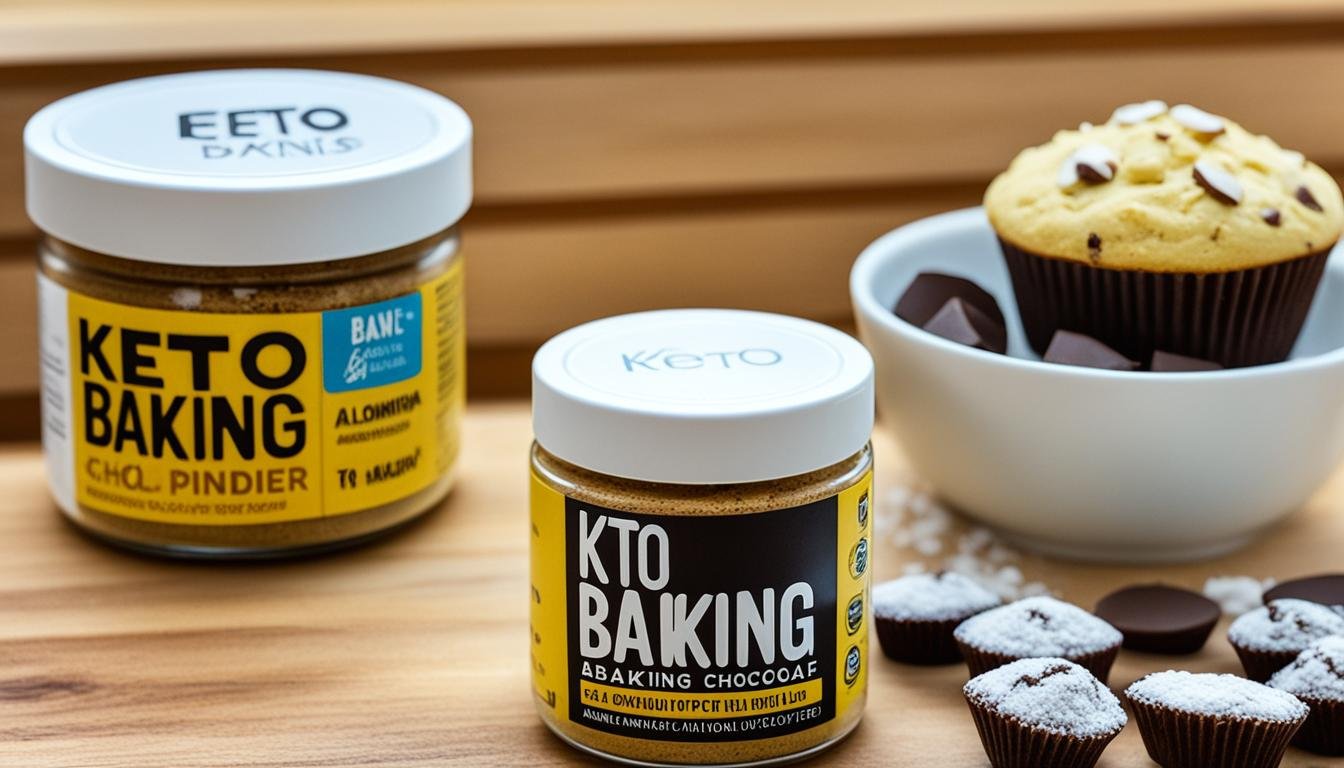
If you follow a ketogenic diet and enjoy baking, you may be curious about the role of baking powder in your keto-friendly recipes. Baking powder is a common ingredient used in baking, but how does it fit into the low-carb, high-fat world of keto? Let’s explore the importance of baking powder in keto baking and discover its effects on your favorite ketogenic treats.
For those who are new to the keto diet, it is a low-carb, high-fat eating plan that aims to promote ketosis, a metabolic state where the body burns fat for fuel instead of carbohydrates. To achieve ketosis, it is crucial to minimize carbohydrate intake and increase fat consumption while maintaining a moderate protein intake.
In the world of baking, baking powder is a leavening agent that helps dough and batter rise, resulting in a light and airy texture in baked goods. It consists of a combination of an acid, usually cream of tartar, and a base, typically baking soda. When these ingredients are mixed with moisture and heat, they react to produce carbon dioxide gas, creating the desired rise and texture in your keto-friendly treats.
So, how does baking powder work in keto recipes? Baking powder provides the necessary leavening action, allowing your baked goods to rise without the need for traditional high-carb ingredients like wheat flour. It contributes to the light and fluffy texture that you desire, making your keto baking even more enjoyable.
Key Takeaways
- Baking powder is a crucial ingredient in keto baking, providing leavening action for a light and airy texture.
- Keto baking relies on low-carb, high-fat ingredients to promote ketosis and fat burning.
- Baking powder consists of an acid and a base that react to produce carbon dioxide gas, allowing dough and batter to rise.
- Baking powder can be substituted in keto recipes using alternative leavening agents like baking soda and vinegar or xanthan gum.
- Understanding the role of baking powder and its alternatives can help you achieve successful keto baking.
Understanding the Keto Diet
Before we delve into the specifics of baking powder in the keto diet, it’s essential to understand the basics of this popular low-carb, high-fat eating plan. The keto diet centers around the consumption of foods high in healthy fats, moderate amounts of protein, and minimal carbohydrates. The goal is to switch the body’s primary source of fuel from carbohydrates to fats, which puts the body into a state called ketosis.
The keto diet, short for ketogenic diet, is a low-carb, high-fat eating plan that has gained popularity for its potential health benefits and weight loss effects. By significantly reducing carbohydrate intake, the body is forced to enter a metabolic state known as ketosis. In ketosis, the body shifts its energy source from glucose to ketones, which are produced from the breakdown of fats.
This shift in fuel utilization has several advantages, including a significant reduction in blood sugar and insulin levels, increased fat burning, and improved mental clarity and focus. The keto diet has also been found to be effective in reducing inflammation, managing epilepsy, and supporting weight loss.
Key Principles of the Keto Diet
The keto diet is often described as a high-fat, moderate-protein, and low-carbohydrate diet. The specific macronutrient breakdown may vary depending on individual needs and goals, but the general guidelines are as follows:
- Low-carb: The keto diet typically limits carbohydrate intake to 20-50 grams per day, which is significantly lower than the recommended daily intake for most individuals.
- High-fat: Healthy fats should make up the majority of your daily calorie intake on the keto diet. Sources of healthy fats include avocados, nuts and seeds, olive oil, coconut oil, and fatty fish.
- Moderate-protein: Protein intake should be moderate and in line with your individual needs. Sources of protein include meat, poultry, seafood, eggs, and dairy products.
The Science Behind Ketosis
When you consume a minimal amount of carbohydrates, your body enters a state of ketosis, where it begins to break down stored fats for fuel. This metabolic process produces ketones, which are used to power your brain and body.
One of the key benefits of ketosis is the increased fat burning potential. By restricting carbohydrates, your body’s insulin levels remain low, allowing stored fat to be released and used for energy. This can lead to significant weight loss and improved body composition.
Additionally, the keto diet has been shown to have positive effects on various health markers, such as blood sugar control, cholesterol levels, and blood pressure. It may also provide benefits for individuals with certain medical conditions, such as epilepsy or metabolic disorders.
However, it’s important to note that the keto diet may not be suitable for everyone. It requires a significant shift in dietary habits and can be challenging to sustain in the long term. It’s important to work with a healthcare professional or registered dietitian to ensure you’re meeting your nutritional needs and to address any potential risks or concerns.
Overall, the keto diet is a well-established eating plan that can provide a range of potential benefits. Understanding the basic principles and science behind ketosis is essential for effectively implementing and maintaining a keto lifestyle.
What is Baking Powder?
Baking powder is a leavening agent commonly used in baking to help dough and batter rise. It consists of a combination of an acid and a base, usually cream of tartar and baking soda, respectively. When combined with moisture and heat, these ingredients react to produce carbon dioxide gas, causing the dough or batter to expand and create a light and fluffy texture.
If you’re visualizing the science behind it, think of baking powder as a magical potion that releases tiny bubbles of carbon dioxide gas when it comes into contact with moisture and heat. These gas bubbles get trapped in the dough or batter and create pockets of air, resulting in a delightful rise and a soft, airy texture in your baked goodies.
How Does Baking Powder Work?
Let’s break it down step by step:
- When baking powder is added to a recipe, the first reaction occurs as soon as it gets wet. The acid component (cream of tartar) reacts with the wet ingredients in the batter or dough, immediately releasing some carbon dioxide gas.
- Once the batter or dough is placed in the oven, the second reaction takes place. The heat activates the baking soda, which is the base component of baking powder. This creates an additional burst of carbon dioxide gas.
- The production of carbon dioxide gas continues throughout the baking process, causing the dough or batter to rise further.
- The trapped carbon dioxide gas bubbles expand as the temperature rises, creating lightness, and giving your baked goods their fluffy texture.
So, in summary, baking powder is like a secret ingredient that works its magic behind the scenes to give your baked treats that delightful rise and airy texture.
The Role of Baking Powder in Baking
Baking powder plays a crucial role in baking by providing the necessary leavening action. It is an essential ingredient that helps dough and batter rise, resulting in a light and airy texture in baked goods. The leavening action of baking powder is what gives cakes, cookies, and breads their fluffy and tender consistency.
When baking powder is added to a recipe, it reacts with moisture and heat, producing carbon dioxide gas. This gas forms bubbles in the dough or batter, causing it to expand and rise during baking. The trapped carbon dioxide creates air pockets, giving baked goods their characteristic lightness and airy texture.
“Baking powder is like the secret ingredient that transforms ordinary dough into delicate and delicious treats.”
Without baking powder, baked goods may turn out dense and flat, lacking the desired volume and texture. It is particularly important in recipes that don’t contain yeast, as yeast also acts as a leavening agent but requires time to ferment and produce carbon dioxide gas.
While baking powder is a staple in many baking recipes, it’s important to note that it is not the only leavening agent available. There are alternatives to baking powder, especially for those following a keto diet or looking for substitutes. These alternatives can provide similar leavening effects while adhering to specific dietary requirements.
Keto-Friendly Baking Powder Alternatives
For those on a keto diet or looking for alternatives to traditional baking powder, here are a few options to consider:
- Baking Soda and Vinegar: A mixture of baking soda and vinegar can create a leavening effect similar to baking powder. The vinegar reacts with the baking soda, producing carbon dioxide gas.
- Baking Soda and Lemon Juice: Similar to the baking soda and vinegar combination, lemon juice can be used instead of vinegar to react with the baking soda and create the necessary leavening action.
- Xanthan Gum: Xanthan gum is a popular gluten-free and keto-friendly ingredient that can be used to replace baking powder in recipes. It acts as a binding agent and can help provide structure and rise to baked goods.
These alternatives offer options for those who may be sensitive to baking powder or simply prefer to use alternative ingredients in their baking endeavors.
Experimenting with these alternatives can be a fun and creative way to explore keto baking while still achieving light and fluffy results.
Now that you understand the role of baking powder in baking and have learned about some alternatives, you can confidently experiment with different recipes and adapt them to suit your dietary needs.
| Baking Powder | Leavening Action | Texture in Baked Goods |
|---|---|---|
| Provides the necessary leavening action | Creates a light and airy texture | Gives baked goods their fluffy consistency |
| Alternatives to Baking Powder | Can offer similar leavening effects | Allows for keto-friendly and dietary-specific options |
Carb Content in Baking Powder
When considering whether baking powder is keto-friendly, it’s important to analyze its carb content. While the amount of baking powder used in a recipe is typically small, it still contains a small amount of carbohydrates. On average, one teaspoon of baking powder contains approximately 2 grams of carbohydrates. It’s worth noting that this carb content is relatively low compared to other common baking ingredients such as all-purpose flour.
Understanding the carb content in baking powder can help you make informed decisions when planning your keto recipes. Although 2 grams of carbohydrates may seem insignificant in the context of a keto diet, every gram counts when you’re carefully monitoring your carb intake. While baking powder is generally accepted in moderation for those following a keto diet, it’s essential to be mindful of your overall carb consumption and track your nutritional information accurately.
Homemade Baking Powder Recipe
If you can’t find keto baking powder in the store, or if you want to save money, you can easily make your own at home. A homemade baking powder recipe can be made without starches and grains, providing a low-carb alternative.
Instead of using traditional starch as a bulking agent, you can substitute it with inulin, a prebiotic fiber that also provides the necessary bulk and consistency. Inulin is a great option because it is low in carbohydrates and does not affect blood sugar levels.
To make your own homemade baking powder, simply mix inulin, cream of tartar, and baking soda in equal parts. Measure accurately to ensure the correct balance of ingredients.
Homemade Baking Powder Recipe:
- Inulin powder – 1 part
- Cream of tartar – 1 part
- Baking soda – 1 part
Mix the ingredients together thoroughly and store in an airtight container. The homemade baking powder can be used in the same way as regular baking powder in your keto recipes.
Measuring Accuracy and Consistency
When making your own baking powder, it’s important to measure the ingredients accurately to ensure the right balance. Inconsistent measurements can affect the leavening action, resulting in uneven rise or texture in your baked goods.
To achieve the best consistency, use a kitchen scale to weigh the ingredients. This will ensure that you have the correct ratios for optimal performance.
Remember to store your homemade baking powder in a cool and dry place to maintain its freshness and effectiveness.
Keto Baking Powder Alternatives
If you can’t use or find baking powder, there are several alternatives that can be used in keto baking. One option is to use a mixture of baking soda and vinegar or baking soda and lemon juice, which can provide a leavening effect similar to baking powder. Xanthan gum is another alternative that can be used to replace baking powder in recipes. Additionally, there are various low-carb flour substitutes that can be used in keto baking, such as almond flour or coconut flour. Other ingredient swaps, such as using alternative sweeteners or fats, can also be made in keto baking recipes.
Below is a table summarizing some popular keto baking powder alternatives and their usage:
| Alternatives | Usage |
|---|---|
| Baking soda and vinegar | A teaspoon of baking soda mixed with a tablespoon of vinegar reacts to create carbon dioxide, providing a similar leavening effect to baking powder. |
| Baking soda and lemon juice | Mixing a teaspoon of baking soda with lemon juice produces carbon dioxide bubbles, helping dough and batter rise. |
| Xanthan gum | Used in small amounts, xanthan gum can provide structure and elasticity to keto baked goods. |
| Low-carb flour substitutes | Almond flour, coconut flour, and other nut flours can be used as alternatives to all-purpose flour in keto baking recipes. |
| Ingredient swaps | Replace high-carb ingredients like sugar and wheat flour with low-carb alternatives such as stevia, erythritol, or almond flour. |
Experimenting with these baking powder alternatives can help you create delicious and keto-friendly treats without compromising on flavor or texture. Remember to adjust the quantities as needed and test the results to find the perfect combination for your recipes.
Tips for Successful Keto Baking
To achieve successful keto baking, there are a few tips to keep in mind:
- Make appropriate substitutions for high-carb ingredients:
- Use low-carb flours instead of all-purpose flour.
- Swap sugar for alternative sweeteners.
- Keep track of your daily carb limits.
- Adjust portion sizes accordingly.
By following these tips, you can create delicious and keto-friendly baked goods while still maintaining the flavor and texture you desire. Remember, it’s all about making smart substitutions and keeping a close eye on your carb intake for a successful keto baking experience!
Health Benefits and Considerations
Baking powder offers several health benefits due to its composition of essential minerals. It contains sodium, calcium, phosphorus, and potassium, which are crucial for maintaining fluid balance, proper nerve and muscle function, and healthy bones. Additionally, baking powder’s main active ingredient, sodium bicarbonate, possesses antacid properties that can aid in neutralizing stomach acid and promoting digestive health.
However, it’s important to consider that sensitive individuals may have specific dietary considerations when it comes to baking powder. Some individuals may be sensitive to baking powder or have conditions that require them to avoid high-sodium or high-acid foods.
| Sensitivity to Baking Powder | Specific Dietary Considerations |
|---|---|
| Some individuals may be sensitive to baking powder, experiencing gastrointestinal discomfort or allergic reactions. | Sensitive individuals should consult a healthcare professional and consider alternative leavening agents or modifications to their diet. |
| In some cases, it may be necessary to avoid high-sodium or high-acid foods, as baking powder can contribute to sodium intake or exacerbate certain health conditions. |
It’s important for sensitive individuals to assess their own tolerance and make informed decisions based on their specific health needs. Consulting with a healthcare professional is recommended.
Remember, everyone’s health needs and reactions to certain ingredients can vary. It’s always advisable to consult a healthcare professional or registered dietitian before making any significant changes to your diet.
Summary:
Baking powder offers health benefits due to its mineral content, including sodium, calcium, phosphorus, and potassium. Sodium bicarbonate, the main active ingredient, has antacid properties and promotes digestive health. However, individuals with specific dietary considerations or sensitivities may need to explore alternative leavening agents or modify their diet accordingly. It’s essential to consult a healthcare professional to determine the best approach for your individual needs.
Conclusion
In conclusion, baking powder plays a crucial role in keto baking. It provides the leavening action necessary for achieving a light and fluffy texture in baked goods. While baking powder does contain a small amount of carbohydrates, it is generally considered acceptable in moderation for those following a keto diet.
However, if you cannot use or find baking powder, there are alternatives available. You can try using a mixture of baking soda and vinegar or baking soda and lemon juice to achieve a similar leavening effect. Xanthan gum can also be used as a substitute for baking powder in keto recipes, providing the necessary rise.
By understanding the role of baking powder and exploring alternative options, you can still enjoy delicious and perfectly risen keto treats. Remember to make appropriate substitutions and monitor your carbohydrate intake to stay within your desired keto limits. Happy keto baking!
FAQ
What is the role of baking powder in keto baking?
Baking powder is a leavening agent that helps dough and batter rise, creating a light and fluffy texture in baked goods.
Can baking powder be used in a keto diet?
Yes, baking powder can be used in moderation in a keto diet as it contains a small amount of carbohydrates.
What are the alternatives to baking powder for keto baking?
Alternatives to baking powder in keto baking include using a mixture of baking soda and vinegar or lemon juice, xanthan gum, or low-carb flour substitutes.
How can I make homemade baking powder for keto baking?
You can make homemade baking powder by combining equal parts inulin, cream of tartar, and baking soda.
What are some tips for successful keto baking?
Some tips for successful keto baking include making appropriate substitutions for high-carb ingredients, considering flavor and texture, and monitoring carbohydrate intake.
Are there any health benefits or considerations associated with baking powder?
Baking powder contains minerals and may have some health benefits, but sensitive individuals may have specific dietary considerations.