Welcome to our exploration of the world of keto baking! If you’re a fan of the keto diet, you know that it’s all about low-carb, sugar-free eating. But who said that means you have to give up on your favorite treats? Not us! We believe that with the right ingredients and a little creativity, you can enjoy all the deliciousness you crave while staying true to your diet. And that’s why we’re here today, to talk about a classic favorite with a keto twist – Banana Bread.
Now, you might be thinking, “Banana bread? But bananas are loaded with sugar!” And you’d be right. Traditional banana bread is a sweet, moist breakfast bread that’s often loaded with sugar and made with regular all-purpose flour. But we’re not talking about traditional banana bread here. We’re talking about Keto Banana Bread.
Our keto banana bread recipe swaps out the regular flour for almond flour or coconut flour, and the added sugar for a keto-friendly sweetener. The result? A delicious, moist banana bread that’s low in carbs and perfect for anyone following a keto diet.
But we’re not just going to give you a recipe and send you on your way. Oh no, we’re going to dive deep into the world of sweeteners, exploring different options and how they affect your banana bread. Because let’s face it, not all sweeteners are created equal. Some give you a moist, sweet loaf of bread that tastes just like the real banana bread you remember, while others… well, let’s just say they leave a lot to be desired.
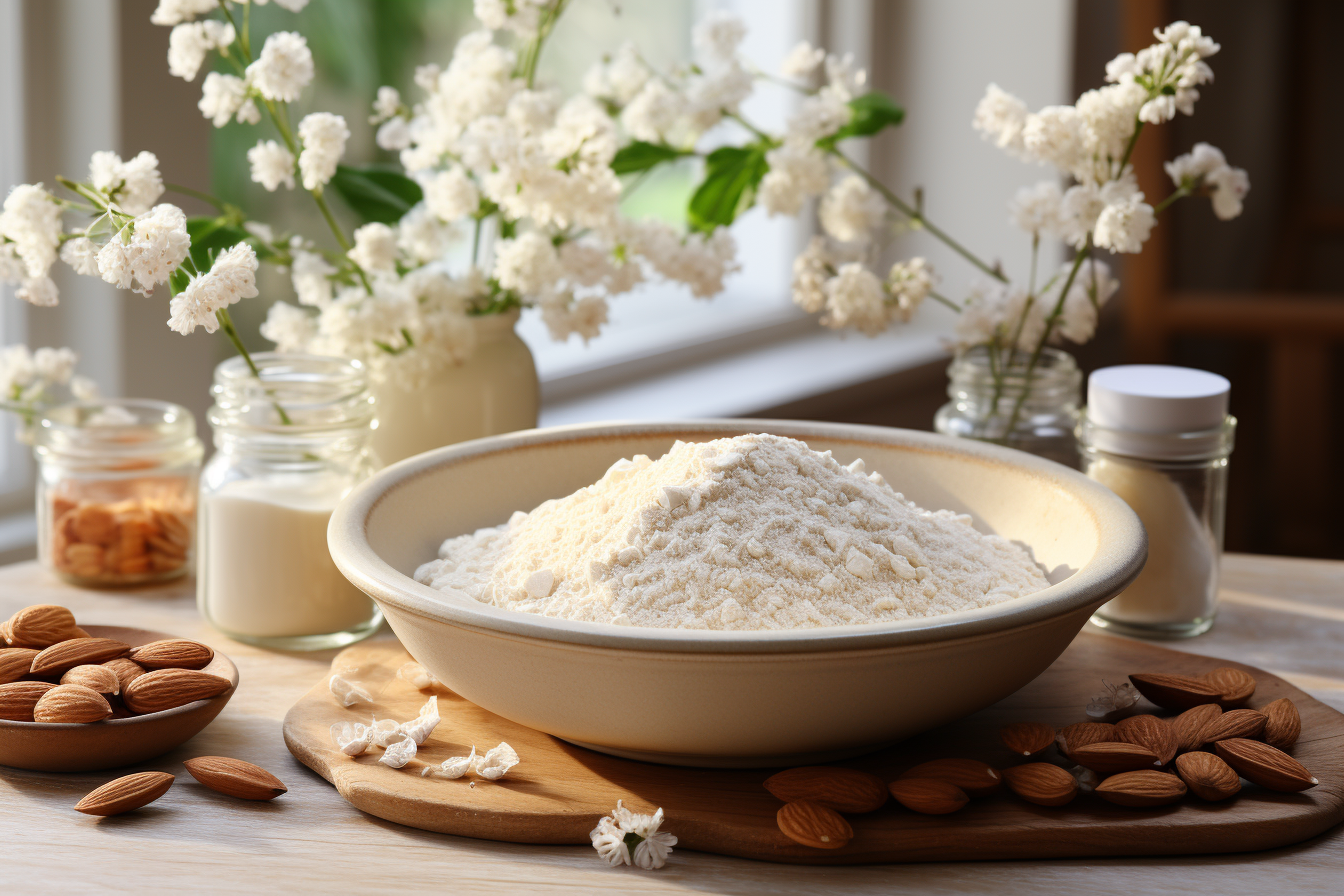
So, whether you’re a seasoned keto baker or you’ve never used almond flour before, stick with us. We’re about to embark on a delicious journey, and we promise you, it’s going to be sweet!
Understanding Sweeteners in the Keto Diet
When you think of banana bread, the first thing that probably comes to mind is its sweet, banana flavor. But when you’re on a keto diet, traditional sugar is off the table. So, how do we get that sweet taste without the carbs? Enter: keto-friendly sweeteners.
Sugar is like that popular kid in school everyone knows – it’s everywhere, from our morning coffee to our favorite chocolate chip cookies. But just like too much popularity can be a bad thing, too much sugar can send our sugar levels skyrocketing. That’s where our keto-friendly sweeteners come in. They’re the unsung heroes, providing the sweetness without the added sugar.
Why Traditional Sweeteners Don’t Make the Cut
Imagine you’re building a sandcastle. Regular sugar is like the water that makes the sand stick together, but also washes it away when there’s too much. In our bodies, sugar provides quick energy but can also lead to crashes and cravings. On a keto diet, we’re aiming for stable energy, which means cutting out foods loaded with sugar.
The Role of Sweeteners in Baking
Sweeteners aren’t just about taste. In baking, they play a crucial role in texture, moisture, and browning. Think of them as the supporting actors in a movie, making sure the star (in this case, our banana) shines bright. When we switch out sugar for a keto sweetener, we’re not just swapping out ingredients. We’re changing the entire dynamic of our banana bread recipe.
Keto-Friendly Sweeteners: The Line-Up
- Erythritol: A popular choice in many keto bread recipes, Erythritol is a sugar alcohol that tastes close to sugar but has a zero carb count. It’s like the doppelganger of sugar – looks and tastes almost the same but behaves differently.
- Stevia: Derived from the leaves of the Stevia plant, this sweetener is super sweet, so a little goes a long way. It’s like the chili pepper of sweeteners – small but mighty!
- Monk Fruit Sweetener: Made from the monk fruit, this sweetener is naturally sweet without the aftertaste some other sweeteners have. Think of it as the smooth jazz of sweeteners – pleasant and without any jarring notes.
- Allulose: A newer player in the game, Allulose is a rare sugar that’s found in small amounts in certain fruits. It’s like finding a rare Pokémon card – not as common, but definitely worth the search.
Remember, the key to a successful keto banana bread is choosing the right sweetener for your taste and baking needs. It’s like picking the right shoes for an outfit – the wrong choice can throw off the whole look, but the right one can make everything come together perfectly.
Keto Banana Bread: A Basic Recipe
Before we dive into the sweetener deep end, let’s start with a basic keto banana bread recipe. This recipe is low carb, sugar free, and absolutely delicious. It’s like the little black dress of banana bread recipes – simple, classic, and always a hit!
A. Ingredients
- 2 cups of almond flour
- 1/2 cup of a keto-friendly sweetener of your choice
- 1/2 cup of mashed banana
- 1/2 cup of coconut oil
- 3 large eggs
- 1 tsp of baking powder
- 1/2 tsp of banana extract
- A pinch of salt
- Optional: 1/2 cup of low carb chocolate chips
B. Instructions
- Preheat your oven to 350°F (175°C). Grease a loaf pan or line it with parchment paper.
- In a large bowl, combine the almond flour, sweetener, and baking powder. This is your dry mix.
- In another bowl, whisk together the mashed banana, eggs, coconut oil, and banana extract. This is your wet mix.
- Gradually add the dry mix to the wet mix, stirring until just combined. If you’re using chocolate chips, fold them in now.
- Pour the batter into the prepared loaf pan and smooth the top with a spatula.
- Bake the banana bread for 50-60 minutes, or until a toothpick inserted into the center comes out clean.
- Allow the bread to cool in the pan for 10 minutes, then transfer it to a wire rack to cool completely.
And voila! You’ve just made a loaf of delicious, keto-friendly banana bread. But remember, this is just the beginning. The real fun begins when we start experimenting with different sweeteners. So, let’s dive in!
Exploring Different Sweetener Options
Now that we’ve got our basic keto banana bread recipe down, it’s time to play around with our sweeteners. Think of it like changing the paint color in a room – the structure remains the same, but the overall feel can change dramatically.
Erythritol
Erythritol is like the reliable friend who’s always there for you. It’s a popular choice in many keto bread recipes because it’s easy to use, has a clean sweet taste, and doesn’t affect blood sugar levels.
To use Erythritol in our banana bread recipe, simply replace the sweetener in the recipe with the same amount of Erythritol. The result? A sweet, moist banana bread that’s low in carbs and high in flavor.
Stevia
Stevia is the powerhouse of sweeteners. It’s much sweeter than sugar, so you’ll need less of it. But be careful – too much can lead to a bitter aftertaste.
To use Stevia in our banana bread recipe, replace the sweetener with a much smaller amount of Stevia. Start with a quarter of the amount, and adjust to taste. The result? A super sweet banana bread that’s perfect for those with a serious sweet tooth.
Monk Fruit Sweetener
Monk fruit sweetener is the smooth operator of sweeteners. It’s naturally sweet and doesn’t have the aftertaste that some other sweeteners do.
To use Monk Fruit Sweetener in our banana bread recipe, replace the sweetener with the same amount of Monk Fruit Sweetener. The result? A naturally sweet banana bread that tastes just like the real thing.
Allulose
Allulose is the new kid on the block. It’s not as well-known as the others, but it’s quickly gaining popularity for its sugar-like taste and texture.
To use Allulose in our banana bread recipe, replace the sweetener with the same amount of Allulose. The result? A banana bread that’s so close to the traditional version, you might not even notice the difference!
Remember, the key to a successful keto banana bread is choosing the right sweetener for your taste and baking needs. So don’t be afraid to experiment and find your perfect match!
Experimenting with Sweetener Blends
Sometimes, one sweetener just doesn’t cut it. Maybe you want the bulk of Erythritol but the intense sweetness of Stevia. Or perhaps you like the natural taste of Monk Fruit Sweetener but want the moisture that Allulose brings. That’s where sweetener blends come in.
Think of sweetener blends like a superhero team-up. Each sweetener brings its own strengths to the table, and together, they can create a banana bread that’s out of this world.
Benefits of Using a Blend of Sweeteners
Using a blend of sweeteners can give your banana bread a more rounded sweetness and improve the texture. It’s like using a mix of spices in a dish – each one adds its own flavor, and together, they create a taste that’s more complex and satisfying.
Popular Sweetener Blend Options
- Erythritol and Stevia: This is a popular blend that combines the bulk of Erythritol with the intense sweetness of Stevia. It’s like a power duo in a buddy movie – each one complements the other and makes up for its shortcomings.
- Monk Fruit Sweetener and Allulose: This blend combines the natural sweetness of Monk Fruit Sweetener with the moisture-retaining properties of Allulose. It’s like a dream team of sweeteners, delivering a moist, naturally sweet banana bread.
How to Create Your Own Sweetener Blend
Creating your own sweetener blend is all about experimentation. Start with a 50/50 mix of two sweeteners, then adjust to taste. Remember, the goal is to create a blend that delivers the sweetness and texture you want in your banana bread. It’s like creating a custom paint color – you keep mixing until you get the shade you want.
FAQ
Q: Can I use regular flour instead of almond flour for this keto banana bread recipe?
A: No, almond flour is a key ingredient in this recipe to keep it low carb. Using regular flour will significantly increase the carb content.
Q: Is oat flour a good alternative to almond flour for this low carb banana bread?
A: No, oat flour is not low carb. It is made from oats and contains a higher amount of carbs compared to almond flour. It is not recommended for this recipe if you are following a low carb diet.
Q: Can I use coconut flour instead of almond flour for this banana bread?
A: Yes, you can use coconut flour as an alternative to almond flour. However, keep in mind that coconut flour absorbs more liquid, so you may need to adjust the amount of liquid in the recipe.
Q: Can I add chocolate chips to this keto banana bread?
A: Yes, you can add chocolate chips to this banana bread recipe. Look for low carb chocolate chips or sugar-free chocolate chips to keep it keto-friendly.
Q: How can I make this banana bread recipe gluten-free?
A: To make this banana bread gluten-free, use gluten-free flour alternatives like almond flour or coconut flour instead of wheat flour.
Q: Can I substitute coconut sugar for the sweetener in this recipe?
A: Yes, you can use coconut sugar as a sweetener. However, keep in mind that it may slightly alter the taste and texture of the banana bread.
Q: Is almond milk a good option for this keto banana bread?
A: Yes, almond milk can be used as a liquid ingredient in this recipe. It adds moisture and a subtle nutty flavor to the banana bread.
Q: Can I make this banana bread without using any sweetener?
A: Yes, you can omit the sweetener if you prefer a less sweet banana bread. The natural sweetness from the ripe bananas will still provide some sweetness to the bread.
Q: What makes this banana bread different from other bread recipes?
A: This banana bread recipe is specifically designed to be low carb and keto-friendly. It uses almond flour or coconut flour as the main flour alternatives and incorporates sugar-free sweeteners.
Q: Is this the best banana bread I’ve ever made?
A: That’s subjective, but many people who have tried this recipe have loved it and claimed it to be the best banana bread they’ve ever made.
Conclusion
We’ve journeyed through the world of keto banana bread, exploring different sweeteners and even creating our own blends. It’s been a sweet ride, hasn’t it? But remember, the key to a successful keto banana bread is choosing the right sweetener for your taste and baking needs.
Just like finding the perfect pair of jeans, it might take a few tries to find your perfect sweetener or blend. But once you do, you’ll have a keto banana bread recipe that’s not only delicious but also fits perfectly into your low-carb lifestyle.
So, go ahead and experiment. Try different sweeteners, create your own blends, and most importantly, have fun with it. After all, baking is as much about the journey as it is about the destination. And who knows? You might just create the best banana bread you’ve ever made.