If you’re trying to lose weight or simply want to adopt a healthier lifestyle, you’ve probably heard about the keto diet. It’s a low-carb, high-fat diet that’s gained popularity for its potential to help people lose weight without feeling hungry all the time. But, like any diet, it can be challenging to navigate, especially when it comes to understanding portion control and serving sizes.
Imagine this: You’re at a party, and there’s a table full of delicious food. You see a loaf of banana bread, and your mouth starts to water. But wait! You’re on a keto diet, and banana bread is typically high in carbs. What do you do? Well, we’re here to tell you that you can have your cake (or in this case, banana bread) and eat it too!
In this guide, we’ll walk you through how to make a low-carb banana bread recipe that fits perfectly into your keto meal plan. But more importantly, we’ll help you understand the concept of portion size and serving size. Think of it like this: If your diet was a car, then portion control is the steering wheel. It’s what helps you stay on track and reach your destination (or in this case, your ideal weight).
We’ll also delve into the nitty-gritty of calories, fat, carbs, and protein – the four pillars (or should we say, the four tires of your car) that make up your diet. We’ll show you how to count calories, measure out the right amount of protein, and keep your carb intake in check. And don’t worry, we won’t leave you feeling hungry or deprived. After all, the goal of a keto diet isn’t just to help you lose weight, but to do so in a way that’s sustainable and enjoyable.

So, whether you’re a seasoned keto dieter or just starting out, we hope this guide will be a valuable resource for you. Let’s get started, shall we?
Understanding the Keto Diet
The keto diet is a low-carb, high-fat diet that has gained popularity for its potential to help people lose weight and improve their health. The diet works by drastically reducing your intake of carbohydrates and replacing it with fat, putting your body into a metabolic state known as ketosis. In this state, your body becomes incredibly efficient at burning fat for energy, which can lead to weight loss.
There are several versions of the keto diet, including the Standard Ketogenic Diet (SKD), which is the most researched and recommended. This version typically contains 70% fat, 20% protein, and only 10% carbs. Other versions include the Cyclical Ketogenic Diet (CKD), which involves periods of higher carb refeeds, and the Targeted Ketogenic Diet (TKD), which allows you to add carbs around workouts.
Following a keto diet can be an effective way to lose weight and lower risk factors for disease. In fact, research shows that the ketogenic diet may be as effective for weight loss as a low-fat diet. What’s more, the diet is so filling that you can lose weight without counting calories or tracking your food intake.
However, like any diet, the keto diet may have some initial side effects while your body adapts, often referred to as the keto flu. These effects usually pass after a few days and can be minimized by easing into the diet and taking mineral supplements.
In the next section, we’ll dive into the specifics of portion control and serving sizes, particularly as they relate to our star of the show – the keto banana bread. But before we do that, let’s take a quick detour to understand the concept of macros.
Macros and the Keto Diet
When you’re on a keto diet, it’s not just about reducing your carb intake; it’s also about balancing your intake of macronutrients, or macros for short. Macros are the three main types of nutrients that provide calories: carbohydrates, protein, and fat.
In a standard keto diet, your macros are typically divided into 70% fat, 20% protein, and 10% carbs. This means that the majority of your calorie intake should come from fat, a moderate amount from protein, and a minimal amount from carbs.
Understanding your macros is crucial for portion control. For instance, if you’re trying to lose weight, you might need to adjust your macros to reduce your overall calorie intake. This doesn’t necessarily mean eating less food; it could mean swapping high-calorie foods for lower-calorie options, or high-carb foods for low-carb alternatives.
A macro calculator can be a handy tool to help you figure out how many grams of each macro you should be eating based on your personal goals, current weight, and activity level.
Portion Control and Serving Sizes
Portion control is another key aspect of a successful keto diet. It’s easy to overdo it with portion sizes, especially when you’re eating high-fat foods that are calorie-dense.
Understanding the difference between serving size and portion size is crucial. A serving size is a measured amount of food, such as a slice of bread or a cup of milk, and it’s used to provide nutritional information on food labels. A portion size, on the other hand, is the amount of food that you choose to eat at one time, which could be more or less than a serving.
Estimating portion sizes can be tricky, but there are some visual cues that can help. For instance, a portion of meat should be about the size of your palm, a portion of fat like butter or oil should be about the size of your thumb, and a portion of cheese should be about the size of your fist.
Using measuring cups or a food scale can also be helpful, especially when you’re first getting started with a new diet. Over time, you’ll get a better sense of what appropriate portion sizes look like.
Keto Banana Bread: Portion Control and Serving Sizes
Now, let’s talk about our keto banana bread. When baking, it’s important to consider the macros and portion sizes of the ingredients you’re using. For instance, you might use almond flour instead of wheat flour to reduce the carbs, and a sugar substitute to keep the calorie count down.
Once your banana bread is baked and ready to eat, consider the portion size. One slice of banana bread could be considered a serving, but depending on the size of the slice, it could contain more carbs or calories than you’d expect.
If you’re trying to lose weight, you might choose to have a smaller slice, or to pair your banana bread with a high-protein side like Greek yogurt to make a more balanced meal. Remember, the goal is to feel satisfied without feeling overly full.
In the next section, we’ll provide a detailed recipe for keto banana bread, complete with macros and suggested serving sizes.
Keto Banana Bread Recipe
Now, let’s get to the fun part – baking our keto banana bread! This recipe uses a blend of almond flour and coconut flour to create the perfect texture, and a natural sugar substitute to keep it keto-friendly. The secret ingredient? Banana extract, which gives the bread a real banana flavor without the carbs.
Here’s what you’ll need:
Dry Ingredients:
- 2 cups of almond flour
- 1/4 cup of coconut flour
- 1 tsp of baking powder
- 1/2 tsp of cinnamon
- 1/2 tsp of xanthan gum
- 1/4 tsp of sea salt
- 1 cup of chopped walnuts (optional)
Wet Ingredients:
- 1/2 cup of butter
- 3/4 cup of a natural sugar substitute (we recommend monk fruit allulose blend)
- 4 large eggs
- 1/4 cup of almond milk
- 1 tsp of banana extract
Instructions:
- Preheat your oven to 350 degrees F (176 degrees C) and line a loaf pan with parchment paper.
- In a large bowl, mix together the almond flour, coconut flour, baking powder, cinnamon, xanthan gum, and sea salt.
- In another bowl, beat the butter and sugar substitute until fluffy. Then, beat in the eggs one at a time, followed by the almond milk and banana extract.
- Gradually add the dry ingredients to the wet ingredients, mixing until you have a thick, uniform batter. If you’re using walnuts, stir them in at this point.
- Transfer the batter into the loaf pan, smoothing out the top. If you reserved any walnuts, sprinkle them on top and press them lightly into the surface.
- Bake for 30-40 minutes, until the top is golden. Then, cover the top with foil and bake for another 20-25 minutes, or until a toothpick inserted into the bread comes out clean.
- Let the bread cool completely before removing it from the pan and slicing.
This recipe yields a loaf of banana bread that’s moist, flavorful, and keto-friendly. Each slice contains just 2 grams of net carbs, making it a guilt-free treat that you can enjoy any time.
Remember, portion control is key. One slice of this bread is considered a serving, but depending on your personal goals and meal plan, you might choose to have a smaller slice or to pair your banana bread with a high-protein side like Greek yogurt.
In the next section, we’ll provide some tips for maintaining portion control when serving and eating the bread.
Tips for Portion Control with Keto Banana Bread
Now that you’ve baked your delicious keto banana bread, you might be wondering how to ensure you’re eating the right portion size. Here are some tips to help you maintain portion control:
- Use a kitchen scale: A kitchen scale can be a great tool for ensuring you’re eating the right portion size. You can weigh your slice of banana bread to determine its weight in grams, and then calculate the macros based on the recipe’s nutritional information.
- Use visual cues: If you don’t have a kitchen scale, you can use visual cues to estimate your portion size. For instance, a serving of bread is typically about the size of your fist.
- Listen to your hunger cues: Portion control isn’t just about measuring out your food; it’s also about listening to your body. If you’re still hungry after eating a slice of banana bread, consider pairing it with a high-protein side like Greek yogurt. Remember, the goal is to feel satisfied without feeling overly full.
- Plan your meals: Planning your meals in advance can help you maintain portion control. If you know you’re going to have a slice of banana bread for dessert, you can adjust the rest of your meals to ensure you’re staying within your macro goals.
- Store leftovers properly: If you have leftover banana bread, store it in an airtight container in the fridge or freezer. This can help prevent mindless snacking and ensure you’re eating the right portion size each time.
Remember, portion control is a key aspect of a successful keto diet. By following these tips, you can enjoy your keto banana bread while staying on track with your diet.
Additional Tips for Success on the Keto Diet
Following a keto diet can be a rewarding journey, but like any journey, it can have its challenges. Here are some additional tips to help you succeed:
- Stay Hydrated: Drink plenty of water throughout the day. Sometimes, our bodies can mistake thirst for hunger. Next time you feel a hunger pang, try drinking a glass of water first.
- Eat Slowly: It takes time for your brain to register that you’re full. By eating slowly, you give your body time to catch up and can avoid overeating.
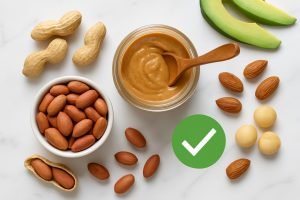
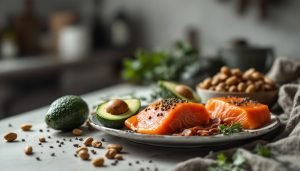
- Don’t Fear Fat: Fat is your friend on the keto diet! It helps you feel full and satisfied. Just remember to choose healthy fats like avocados, nuts, and seeds.
- Keep Snacks Handy: Having keto-friendly snacks on hand can help you avoid reaching for high-carb options when hunger strikes. Consider snacks like nuts, cheese, or a slice of your keto banana bread!
- Listen to Your Body: Everyone’s body responds differently to diet changes. Pay attention to how you feel and adjust your diet as needed. If you’re feeling hungry all the time, you might need to adjust your macros or portion sizes.
- Stay Active: Regular physical activity can help boost your metabolism and aid in weight loss. Plus, it’s great for your overall health!
- Get Support: Whether it’s from friends, family, or an online community, having support can make your keto journey easier and more enjoyable.
Remember, the keto diet isn’t just about losing weight – it’s about improving your overall health and well-being. By following these tips, you can make your keto journey a successful one.
FAQ
Q: What is Keto Banana Bread?
A: Keto Banana Bread is a low-carb and high-protein version of traditional banana bread. It is made with ingredients that are compatible with a keto or low-carb diet, making it a healthier option for those who want to lose weight or maintain a balanced diet.
Q: How can Keto Banana Bread help you lose weight?
A: Keto Banana Bread can help you lose weight because it is low in calories and carbohydrates. It contains a good portion of protein, which can help you feel full and satisfied without feeling hungry. By incorporating Keto Banana Bread into your diet, you can satisfy your sweet tooth and stick to your weight loss goals.
Q: What is a good portion of Keto Banana Bread?
A: A good portion of Keto Banana Bread is typically one slice, which is approximately 1/12th of a loaf. This portion size allows you to enjoy the bread without consuming too many calories or carbohydrates.
Q: How can I estimate the portion size of Keto Banana Bread?
A: To estimate the portion size of Keto Banana Bread, you can use measuring cups or a kitchen scale. One slice is usually around 30 grams or 1 ounce. By measuring your portion, you can ensure that you are not eating too much or too little.
Q: How many calories and grams of fat are in a serving of Keto Banana Bread?
A: The number of calories and grams of fat in a serving of Keto Banana Bread can vary depending on the recipe and ingredients used. However, on average, one slice of Keto Banana Bread contains around 100-150 calories and 5-10 grams of fat.
Q: Is Keto Banana Bread low in carbohydrates?
A: Yes, Keto Banana Bread is low in carbohydrates compared to traditional banana bread. It is typically made with low-carb ingredients such as almond flour and sugar substitutes, making it a suitable option for those following a low-carb or keto diet.
Q: Can I add protein powder to Keto Banana Bread?
A: Yes, you can add protein powder to Keto Banana Bread to increase the protein content. This can be beneficial for those who are looking to increase their protein intake or following a high-protein diet. However, it is important to follow the instructions on the protein powder packaging to ensure the right amount is added.
Q: Is Keto Banana Bread a good option for those who want to lose weight?
A: Yes, Keto Banana Bread can be a good option for those who want to lose weight. It is low in calories, carbohydrates, and fat, while providing a good portion of protein. By incorporating it into a balanced diet and eating it in moderation, it can support weight loss efforts.
Q: Can I eat Keto Banana Bread on a low-carb keto diet?
A: Yes, you can eat Keto Banana Bread on a low-carb keto diet. It is specifically designed to be low in carbohydrates and high in fat, making it suitable for those following a keto or low-carb diet. However, it is important to consider the overall macronutrient balance and portion sizes when consuming it.
Q: How can I control my portion size when eating Keto Banana Bread?
A: To control your portion size when eating Keto Banana Bread, you can use smaller plates or dishes to make it appear more substantial. Additionally, you can eat slowly and savor each bite to feel more satisfied with a smaller portion. It is also important to listen to your body’s hunger and fullness cues and eat until you feel comfortably satisfied.
Conclusion
Embarking on a keto diet can feel like a daunting journey, but with the right tools and knowledge, it doesn’t have to be. Understanding the importance of portion control, serving sizes, and macros can make all the difference in your success.
Our keto banana bread recipe is a testament to the fact that you don’t have to give up your favorite foods to follow a keto diet. With a few clever substitutions, you can enjoy a slice of banana bread while staying within your macro goals. Remember, portion control is key – a slice of banana bread can be a satisfying treat, not a derailment of your diet.
We hope this guide has been helpful in your keto journey. Remember, the goal of a keto diet isn’t just to help you lose weight, but to do so in a way that’s sustainable and enjoyable. So go ahead, enjoy that slice of keto banana bread – you’ve earned it!