Welcome to our guide on the role of salt in keto baking! When it comes to creating delicious and healthy low carb treats, it’s essential to understand the importance of salt in your recipes. Salt not only adds flavor to your keto creations but also plays a vital role in yeast fermentation, gluten formation, crust color, and overall texture. Let’s dive deeper into the benefits of using salt in your low carb baking adventures.
Key Takeaways:
- Salt controls yeast fermentation, allowing for proper rise and flavor development in your keto baked goods.
- It strengthens gluten, resulting in better texture and volume in low carb treats.
- Salt enhances crust color by slowing down the consumption of residual sugar during baking.
- Adding salt to your recipes prevents your keto treats from tasting bland.
- Using salt in moderation is important for maintaining sodium levels and overall health in a keto diet.
Salt’s Role in Keto Diet and Sodium Levels
Incorporating salt into a keto diet is essential for maintaining proper sodium levels. Sodium is an essential electrolyte that plays a vital role in various bodily functions. Not only does it help maintain fluid balance and aid in nerve function, but it also contributes to the overall flavor of meals.
When it comes to keto baking, salt serves two key purposes – enhancing flavor and improving texture in low-carb baked goods. Adding salt to keto baking recipes not only adds a savory element but also helps balance out the flavors, preventing the end product from tasting bland.
Beyond flavor, salt also contributes to the texture of low-carb baked goods. It strengthens the gluten structure, resulting in better volume and texture in keto breads and pastries. This can make a significant difference in the final outcome, ensuring a more enjoyable baking experience.
Your keto baking creations can truly shine with the right amount of salt – both for enhancing flavors and providing that delightful texture you crave.

However, it’s important to use salt mindfully and be aware of your sodium intake. Excessive sodium consumption can lead to health issues such as hypertension or high blood pressure. This is especially critical for individuals on a keto diet, as they may already be predisposed to keto-related electrolyte imbalances.
By practicing mindful salt usage and balancing your sodium intake, you can enjoy the benefits of salt in keto baking without compromising your health.
Practical Tips for Using Salt in Keto Baking:
- Use a high-quality, keto-friendly salt such as Himalayan pink salt or sea salt to enhance the flavor of your keto baked goods.
- Experiment with different types of salt to elevate the taste profile of your recipes.
- Remember to follow the recommended amount of salt in your recipes to ensure the perfect balance of flavors.
- Consider adding a pinch of salt to your homemade low-carb bread dough or sprinkle some on top before baking for added texture and flavor.
With these tips in mind, you’ll be able to use salt effectively to enhance the flavors and textures of your keto baking creations.
| Salt Usage in Keto Baking | Benefits |
|---|---|
| Enhances flavor | Prevents baked goods from tasting bland |
| Improves texture | Strengthens gluten structure for better volume |
| Maintains sodium levels | Supports overall health and electrolyte balance |
Salt’s Macronutrient Composition in Keto Diet
When it comes to following a keto diet, understanding the macronutrient composition of different food items is crucial. Let’s take a closer look at how salt fits into the picture.
Salt, or sodium chloride, does not contain any carbohydrates, proteins, or fats.
Yes, you heard that right! Salt has zero net carbs per 100g, making it suitable for a keto diet that focuses on minimizing carbohydrate intake. This means that you can freely incorporate salt into your strict keto diet without worrying about it adding to your daily carb tally.
However, it’s important to keep in mind that while salt is keto-friendly, it is not calorie-free or sodium-free, so using it mindfully is still necessary. Balancing other dietary components such as proteins, fats, and micronutrients is crucial for overall health.
Fortunately, there are no specific salt substitutions required for keto baking. You can continue using regular salt in your recipes without any concerns. Just remember to be mindful of your overall sodium intake and consider the other ingredients in your diet.
To summarize:
Salt is a macronutrient-free component that you can freely incorporate into a keto diet. There are no specific salt substitutions needed for keto baking, making it a convenient ingredient to use in your low-carb recipes.
Now that we’ve explored the macronutrient composition of salt in a keto diet, let’s delve further into the health benefits of using salt in keto baking.
Health Benefits of Using Salt in Keto Baking
Using salt in keto baking can provide numerous health benefits. Not only does salt enhance the flavors of your keto recipes, but it also plays a fundamental role in the science of keto baking. Let’s delve into the health advantages of incorporating salt into your low-carb creations.
Replenishes Sodium Levels and Prevents ‘Keto Flu’ Symptoms
Enhancing flavors with salt in keto recipes not only satisfies your taste buds but also helps replenish sodium levels during a ketogenic diet. When following a low-carb lifestyle, it’s common to experience symptoms referred to as ‘keto flu’, including fatigue, headaches, and muscle cramps. By ensuring adequate sodium intake through salt, you can mitigate these uncomfortable side effects and support your overall well-being.
Provides an Enjoyable and Satisfying Culinary Experience
The addition of salt to your keto meals enhances the flavor profile, making them more enjoyable and satisfying. Salt acts as a natural flavor enhancer, elevating the taste of your dishes to new heights. Whether you’re baking a delicious low-carb bread or preparing a mouthwatering keto cake, incorporating salt will contribute to a more delightful culinary experience.
Maintains Optimal Blood Pressure Levels
Did you know that maintaining the proper intake of sodium through salt can help regulate blood pressure levels? Sodium acts as an essential electrolyte that aids in balancing fluids in the body. By including salt in your keto baking, you can ensure a stable blood pressure and promote overall cardiovascular health.
It’s important to note that while salt is beneficial in keto baking, moderation is key. Balancing your sodium consumption with the overall dietary pattern is crucial for achieving a healthy and sustainable ketogenic diet.
| Health Benefits of Using Salt in Keto Baking |
|---|
| Replenishes sodium levels and prevents ‘keto flu’ symptoms |
| Enhances flavor for a more enjoyable eating experience |
| Maintains optimal blood pressure levels |
Practical Ways to Use Salt in Keto Baking
When it comes to keto baking, salt is a versatile ingredient that can enhance both the flavor and texture of your creations. Here are some practical ways to incorporate salt into your keto baking adventures:
1. Seasoning for Low-Carb Breads, Muffins, and Cookies
One of the simplest ways to use salt in keto baking is as a seasoning for low-carb breads, muffins, and cookies. Just a pinch of salt can elevate the flavors of these baked goods, making them even more delicious and satisfying.
2. Flavor Booster for Homemade Bone Broths
If you’re a fan of making homemade bone broths, adding salt can take the flavor to new heights. Salt helps to draw out the natural flavors of the ingredients and provides a savory taste that will make your broths even more enjoyable.
3. Try ‘Salted Zucchini Chips’
Looking for a keto-friendly snack idea? Try making ‘Salted Zucchini Chips’ by slicing zucchinis, coating them with olive oil, and sprinkling them with salt. Bake them at a low temperature until crispy for a delicious and crunchy treat.
By incorporating salt into your keto baking, you can enhance the flavors of your creations and take them to the next level of deliciousness.
| Benefits of Using Salt in Keto Baking: |
|---|
| Enhances flavor |
| Improves texture |
| Adds depth to low-carb dishes |
Whether it’s as a seasoning, a flavor booster, or an essential ingredient in a keto-friendly recipe, salt plays a vital role in elevating the taste and quality of your keto baked goods.
Keto-Friendly Alternatives to Salt
While salt is perfectly keto-friendly, there are some alternatives for variety or specific dietary needs. Here are a few options:
- Sea Salt: Sea salt, such as pink Himalayan salt, can be used as a natural alternative to regular table salt. It contains trace minerals like potassium, iron, and zinc, which can provide additional nutritional benefits. Sea salt can be used in the same way as regular salt in your keto baking recipes.
- Celery Salt: Made from ground celery seeds and salt, celery salt is another keto-friendly alternative that adds a hint of flavor to your dishes. It is a great option to season salads, soups, and stews, giving them a unique taste without adding carbs or calories.
- Lite Salt: If you’re looking to reduce your sodium intake while still enjoying the benefits of salt, consider using lite salt. It is a blend of sodium chloride and potassium chloride, which can help maintain a healthy balance of electrolytes. Lite salt can be an excellent choice for those following a keto diet in need of lower sodium options.
Incorporating these alternatives into your keto baking can add variety to your recipes while still keeping them low-carb and delicious.
Included is an image representing various keto-friendly salt alternatives.
Importance of Salt in Bread Baking
Salt plays a vital role in bread baking by contributing to its taste, texture, and appearance. Let’s explore the various ways in which salt enhances the quality of your homemade bread.
- Control of Yeast Fermentation: Salt helps regulate yeast fermentation by slowing down the growth and reproduction of yeast. This allows for better control over the rate of fermentation, resulting in a well-risen and flavorful loaf of bread.
- Strengthening of Gluten: Salt strengthens the gluten structure in the dough, which is responsible for trapping gas bubbles during fermentation. This leads to better texture and volume in the baked bread, creating a light and airy crumb.
- Improvement of Crust Color: By slowing down the consumption of residual sugar during baking, salt helps achieve a beautifully browned crust. The Maillard reaction, triggered by the presence of salt, adds depth of flavor and visual appeal to your bread.
- Enhancement of Flavor: Salt adds a savory element to bread, preventing it from tasting bland. It elevates the overall taste experience, making each bite more satisfying and enjoyable.
By understanding the importance of salt in bread baking, you can ensure that your homemade loaves are delicious, visually appealing, and have the perfect texture. So be mindful of including the right amount of salt in your bread recipes to achieve optimal results.
Discover the power of salt in bread baking as it enhances the taste, texture, and appearance of your homemade loaves.
Decreasing Salt in Bread Recipes
While salt is a crucial ingredient in bread baking, it is possible to decrease the amount of salt in a bread recipe to some extent. Generally, reducing salt by half does not have noticeable changes in texture and browning of the bread. However, completely eliminating salt is not recommended as it can result in a slack and difficult-to-work-with dough with a bland and flavorless final product. If reducing salt, additional flavor can be added by incorporating herbs, spices, or other seasonings into the bread.
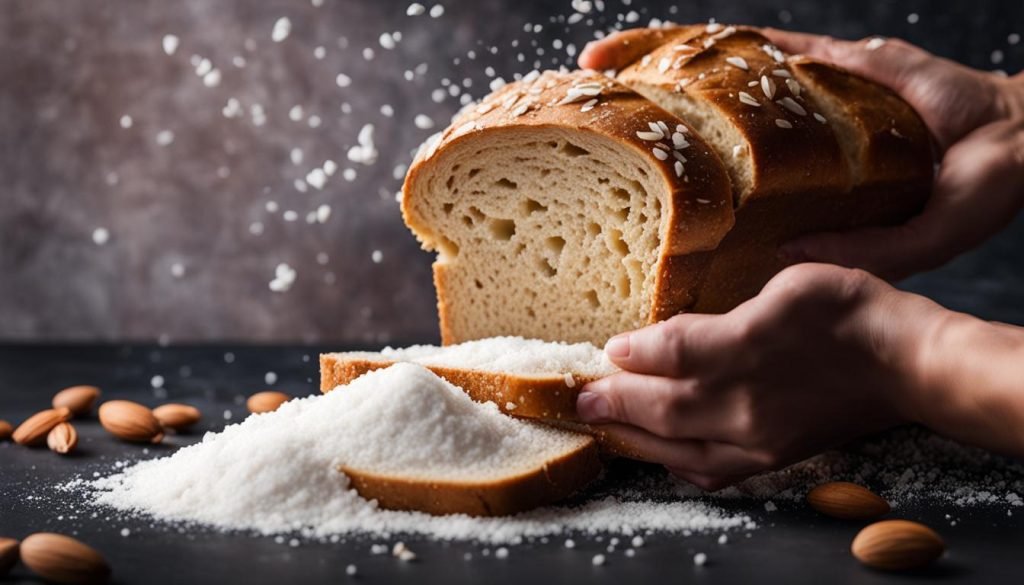
When it comes to baking bread, salt plays a vital role in the overall taste, texture, and appearance of the loaf. However, some individuals may prefer to reduce their salt intake for dietary or health reasons. While it may seem challenging to decrease salt in bread recipes without compromising on quality, there are strategies that can help you achieve a lower-sodium but still delicious loaf.
1. Gradually Reduce Salt
Instead of drastically cutting salt from your bread recipes, try gradually reducing the amount. Start by decreasing the salt by one-quarter or one-half teaspoon and assess the impact on the taste and texture. In most cases, this reduction will not significantly affect the overall quality of the bread.
2. Enhance Flavors with Herbs and Spices
When reducing salt, compensating for the loss of flavor is essential. Incorporate herbs and spices into your bread recipes to add depth and complexity to the flavors. Examples include rosemary, thyme, oregano, garlic powder, onion powder, or dried chilies. Experiment with different combinations to find the flavors that complement your bread best.
3. Consider Salt Alternatives
If you are looking to decrease your sodium intake but still desire the taste and structure that salt provides, consider using salt alternatives. Options like potassium chloride-based salt substitutes or seaweed-derived low-sodium salts can provide a similar flavor without the negative impact on blood pressure.
“Reducing salt in bread recipes allows for a lower-sodium bread without compromising on taste and texture. Gradually decreasing the salt, enhancing flavors with herbs and spices, or using salt alternatives are effective strategies to achieve a healthier yet still satisfying loaf.”
Conclusion
In conclusion, salt plays a crucial role in keto baking, serving as much more than just a seasoning. Its effects on yeast fermentation, gluten structure, crust color, and flavor enhancement make it an essential ingredient in low-carb recipes. Proper use of salt ensures optimal rise, texture, and taste in keto baked goods.
While using salt mindfully is important to maintain proper sodium levels, it remains a versatile and important component of a successful keto diet. It is worth noting that there are alternatives for those seeking variety or specific dietary needs, such as sea salt or celery salt. However, salt itself remains an indispensable ingredient in keto baking.
Remember to balance sodium intake and consider the overall dietary pattern when incorporating salt into your keto baking. By understanding and harnessing the role of salt in low-carb recipes, you can elevate the quality and enjoyment of your keto baked goods.
FAQ
What role does salt play in keto baking?
Salt plays a crucial role in keto baking by controlling yeast fermentation, strengthening gluten, improving crust color, and modifying flavor.
Why is salt important in keto baking recipes?
Salt is important in keto baking recipes as it helps control the rate of yeast fermentation, strengthens the gluten structure, improves crust color, and adds flavor to the baked goods.
What are the benefits of using salt in low carb baking?
Using salt in low carb baking helps enhance flavors, improve texture, and add depth to the taste experience of the baked goods.
How should I use salt in ketogenic baking?
Salt can be used as a seasoning to enhance the flavor of various dishes such as low-carb bread, muffins, and cookies. It can also be added to homemade bone broths for added flavor and nutritional benefits.
What are some salt substitutions for keto baking?
While salt is perfectly keto-friendly, sea salt (such as pink Himalayan salt) and celery salt are natural alternatives that can be used for variety and to add a hint of flavor. Lite salt, a blend of sodium chloride and potassium chloride, is a suitable option for those looking to reduce sodium intake.
What is the importance of salt in bread baking?
Salt plays an important role in bread baking as it controls yeast fermentation, strengthens gluten, improves crust color, and enhances the overall flavor of the bread.
How can I decrease the amount of salt in bread recipes?
While it is possible to decrease the amount of salt in bread recipes to some extent without major changes in texture and browning, it is not recommended to completely eliminate salt as it can result in a bland and flavorless final product.
What electrolyte does salt help replenish in a keto diet?
Salt helps replenish sodium levels, which is an essential electrolyte that aids in nerve function, maintains fluid balance, and enhances the flavor of meals.
What are the health benefits of using salt in keto baking?
The health benefits of using salt in keto baking include replenishing sodium levels, preventing symptoms like fatigue, headaches, and muscle cramps (commonly referred to as ‘keto flu’), enhancing flavor, and maintaining optimal blood pressure levels when balanced with other dietary components.