Welcome to the world where flourless chocolate cake and almond butter cookies are more than just treats; they’re part of a lifestyle! The keto diet has become the culinary buzzword synonymous with health and wellness, particularly for those navigating the complexities of blood sugar levels and ketosis.
But how does keto baking fit into this low-carb, high-fat paradigm without throwing your metrics off the charts? Let’s preheat our ovens and our knowledge to understand the delicate blend of taste and health in keto baking.
Understanding the Basics
What is Ketosis?
Ketosis is a metabolic state where your body, deprived of its usual carbohydrate fuel, starts to burn fat for energy, producing ketones as a byproduct. It’s the holy grail for keto diet followers, but it requires keeping carbs low – typically less than 50 grams a day. It’s like teaching your body to fish in the vast ocean of stored fat rather than wait for the regular fish deliveries of carbs.
Blood Sugar Dynamics
Our bodies typically use glucose, a type of sugar, as a primary energy source. When we eat, particularly foods high in carbohydrates, our blood sugar spikes, prompting the release of insulin to transport glucose into cells. In a keto diet, this spike is what we’re dodging like a nimble matador avoids a charging bull. Keto baking, done right, can be that graceful dance.
The Science of Keto Baking
Alternative Ingredients Used in Keto Baking
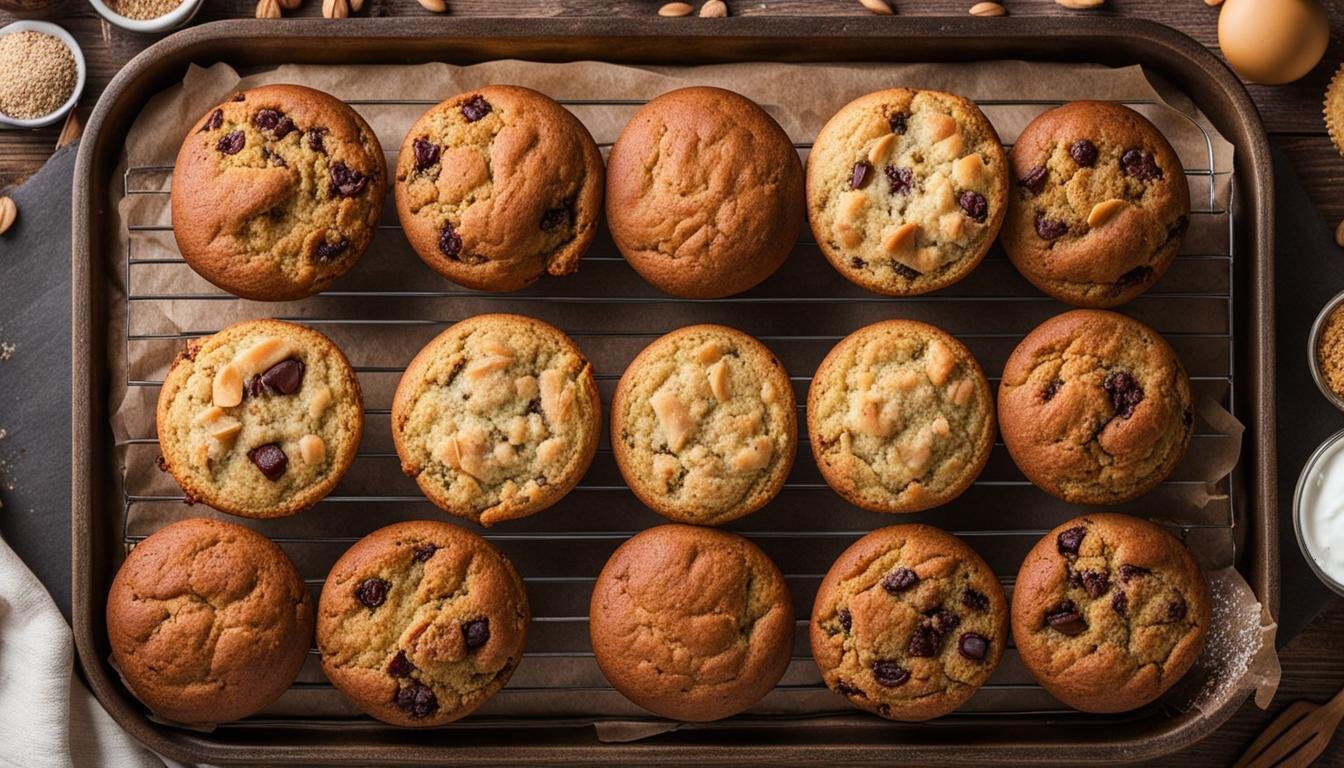
The alchemists of the keto world have discovered ways to replace high-glycemic ingredients with lower-carb counterparts. Think of almond flour and coconut flour as the undercover agents, replacing traditional flour without alerting the blood sugar police.
| Ingredient | Carbs per 100g | Glycemic Index |
|---|---|---|
| Wheat Flour | 76g | 85 |
| Almond Flour | 10g | 0 |
| Coconut Flour | 18g | 45 |
How Keto-Friendly Ingredients Affect Blood Sugar
These ingredients have a minimal impact on blood glucose levels, much like a feather landing on a pillow. They’re gentle, slow to disturb the peace, and keep the blood sugar steady.
Keto Baking and Its Effects on Ketosis
Maintaining Ketosis with Keto Baked Goods
In the land of ketosis, where ketone production is king, keto baked goods should be the loyal subjects that uphold the rule, not rebels. It’s all about keeping those carbs in check, ensuring your treats are more like a supporting actor rather than the star of the show.
Potential Pitfalls in Keto Baking
Beware of hidden carbs; they can sneak up on you like ninjas in a moonless night, potentially knocking you out of ketosis. It’s essential to read labels and understand how each ingredient affects your ketone levels.
Practical Tips for Healthy Keto Baking
Baking Techniques That Minimize Carbs
It’s not just about swapping ingredients; it’s how you combine them. Like a skilled painter mixing colors, you need to know the right ratios to keep the carbs down and flavors high.
Keto Baking Recipes for Stable Blood Sugar
We’ll share recipes where the only thing that will rise is your satisfaction, not your blood sugar levels. These culinary creations are crafted to ensure you can enjoy the sweeter things in life without derailing your health goals. View recipes here.
Monitoring Your Health Metrics
Tools and Methods for Monitoring Blood Sugar and Ketosis
In this digital age, tracking your blood glucose and ketone levels is as easy as using a smartphone app. It’s like having a health dashboard at your fingertips.
Understanding Your Body’s Responses
Everyone’s body whispers secrets about how it responds to food. By monitoring your reactions to keto baking, you can tailor your diet to your personal needs, ensuring you stay in the sweet spot of ketosis.
FAQ
Q: What is a ketogenic diet?
A: A ketogenic diet is a high-fat, adequate-protein, low-carbohydrate diet that has been shown to help control blood sugar levels and induce a state of ketosis in the body.
Q: Can a ketogenic diet help with type 2 diabetes?
A: Yes, following a ketogenic diet may help improve insulin sensitivity and reduce the risk of diabetes in individuals with type 2 diabetes.
Q: How does the keto diet affect blood glucose levels?
A: The low-carbohydrate nature of the keto diet can lead to lower blood glucose levels and reduced insulin levels, which can be beneficial for individuals with diabetes.
Q: Is the keto diet safe for people with type 2 diabetes?
A: Many studies have shown that a keto diet can be safe and effective for patients with type 2 diabetes when monitored by a healthcare professional.
Q: What should I eat on a ketogenic diet?
A: A ketogenic diet typically includes a high intake of healthy fats, moderate amounts of protein, and low carbohydrate consumption, including non-starchy vegetables, nuts, seeds, and healthy oils such as avocado and olive oil.
Q: How can I test if I am in ketosis?
A: You can test your ketone levels using blood, urine, or breath tests to determine if your body is in a state of ketosis while following a ketogenic diet.
Q: Can following a keto diet reduce inflammation in the body?
A: Some research suggests that the keto diet may help reduce inflammation, which could be beneficial for individuals with conditions related to inflammation, such as type 2 diabetes.
Q: Are there any risks associated with the keto diet?
A: While the keto diet has shown benefits for many individuals, it’s important to monitor your blood glucose levels, insulin levels, and overall health, as some people may experience an increase in the risk of heart disease or other health issues when following a low-carbohydrate diet.
Q: How can I start the keto diet?
A: Before starting the keto diet, it’s recommended to consult with a healthcare professional or registered dietitian to create a personalized plan based on your health needs and goals.
Q: Can I use sweeteners on a ketogenic diet?
A: Some sweeteners, such as stevia or erythritol, are considered acceptable on a ketogenic diet as they do not significantly impact blood glucose levels. However, moderation is key when using sweeteners on a keto diet.
Conclusion
Keto baking can be a harmonious addition to your keto diet, like a well-choreographed ballet. It’s about balance, understanding, and the joy of savoring treats that nourish your body and your taste buds. Stay curious, stay responsible, and let the adventure of keto baking delight you in ways you never imagined!