Are you considering embarking on a ketogenic diet?
Before you dive into this popular eating pattern, it’s essential to arm yourself with the right knowledge. The ketogenic diet, or keto for short, has gained attention for its potential benefits in weight loss and improved health. But what exactly is keto, and how does it work? And, more importantly, what do you need to know before you start?
In this comprehensive guide, we’ll uncover the essentials of the keto diet, giving you a firm foundation to make informed decisions. From understanding the basic principles to exploring potential health considerations, we’ll cover it all. So, whether you’re a keto beginner or someone looking to optimize their approach, keep reading to discover the key things you need to know before you go keto.
Key Takeaways:
- Understanding the fundamentals of the ketogenic diet is crucial before starting.
- Keto involves consuming high-fat, moderate-protein, and low-carb foods to achieve ketosis.
- Ketosis is a metabolic state where the body burns fat for energy instead of carbohydrates.
- The pros and cons of the ketogenic diet should be carefully evaluated before committing.
- Successful keto meal planning and a personalized approach are essential for long-term success.
What is the Ketogenic Diet?
The ketogenic diet, also known as the keto diet, is a high-fat, moderate-protein, and very low-carbohydrate eating plan. Initially developed in the 1920s as a treatment for epilepsy, this diet has gained attention for its potential benefits in weight loss, improving insulin sensitivity, reducing inflammation, and supporting brain health.

By significantly reducing carbohydrate intake and increasing fat consumption, the ketogenic diet aims to shift the body’s metabolic state into ketosis. In this state, the body uses fat as its primary source of energy instead of carbohydrates. The reduction in carbohydrates forces the body to produce ketones, which are molecules created by the liver from fatty acids.
Ketones provide energy to the brain and other organs, allowing the body to function even with minimal carbohydrate intake. This metabolic shift is believed to be responsible for the potential benefits of the ketogenic diet.
The Macronutrient Ratios of the Ketogenic Diet
The ketogenic diet is characterized by specific macronutrient ratios:
- High fat intake
- Moderate protein intake
- Very low carbohydrate intake
These ratios differ from a traditional balanced diet, where carbohydrates typically make up the majority of macronutrient intake. By limiting carbohydrates to a minimal level, the body is forced to adapt to using fat as its primary fuel source, leading to the production of ketones and entering ketosis.
The Potential Benefits and Risks of the Ketogenic Diet
The ketogenic diet offers several potential benefits, such as:
- Weight loss
- Improved insulin sensitivity
- Reduced inflammation
- Support for brain health
However, it is important to note that the ketogenic diet also has its risks. These include:
- Potential nutrient deficiencies
- Constipation
- Bad breath
- Difficulty sticking to the diet long-term
It’s important to consider both the potential benefits and risks before embarking on the ketogenic diet. Consulting with a healthcare professional is recommended to determine if this diet is suitable for you.
Comparing Macronutrient Ratios of the Ketogenic Diet and a Traditional Balanced Diet
| Diet | Carbohydrates | Protein | Fat |
|---|---|---|---|
| Ketogenic Diet | Very low | Moderate | High |
| Traditional Balanced Diet | Moderate to high | Moderate | Low to moderate |
The macronutrient ratios of the ketogenic diet are significantly different from those of a traditional balanced diet. While the ketogenic diet emphasizes high fat intake and limited carbohydrate consumption, a traditional balanced diet typically includes moderate amounts of carbohydrates, protein, and fat. Understanding these differences can help you make informed decisions about dietary choices.
How Does Ketosis Work?
Ketosis is a metabolic state that occurs when your body lacks sufficient glucose (from carbohydrates) to provide energy. In this state, your body starts to burn fat for fuel instead. Here’s how it works:
- The absence of carbohydrates triggers your liver to produce ketones.
- Ketones are molecules that can serve as an alternative source of energy.
- Ketones are produced by breaking down fatty acids.
- These ketones can cross the blood-brain barrier to provide energy for your brain.
This metabolic process of ketosis is the primary mechanism behind the ketogenic diet.
The image above visually represents the process of ketosis in the body. As you can see, when carbohydrates are limited, fat is utilized as the primary fuel source, leading to the production of ketones for energy.
This transition from glucose-dependent metabolism to ketone-based energy production is a key aspect of the ketogenic diet and is responsible for many of its potential benefits.
Pros and Cons of the Ketogenic Diet
The ketogenic diet offers a range of potential benefits, but it is important to consider the risks and side effects as well. Understanding both the pros and cons can help you make an informed decision before starting on a keto journey.
Benefits of the Ketogenic Diet
- Rapid initial weight loss: The ketogenic diet can lead to quick and noticeable weight loss due to the reduction in carbohydrate intake.
- Improved insulin sensitivity: By limiting carbohydrate consumption, the ketogenic diet can potentially improve insulin sensitivity, which may be beneficial for individuals with insulin resistance or type 2 diabetes.
- Increased energy levels: Many people report higher energy levels when following a ketogenic diet, as the body is efficiently fueled by ketones derived from fat.
- Reduced inflammation: Some studies suggest that the ketogenic diet may help reduce inflammation in the body, which can contribute to various chronic health conditions.
Risks and Side Effects of the Ketogenic Diet
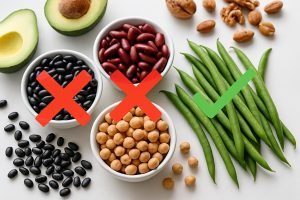
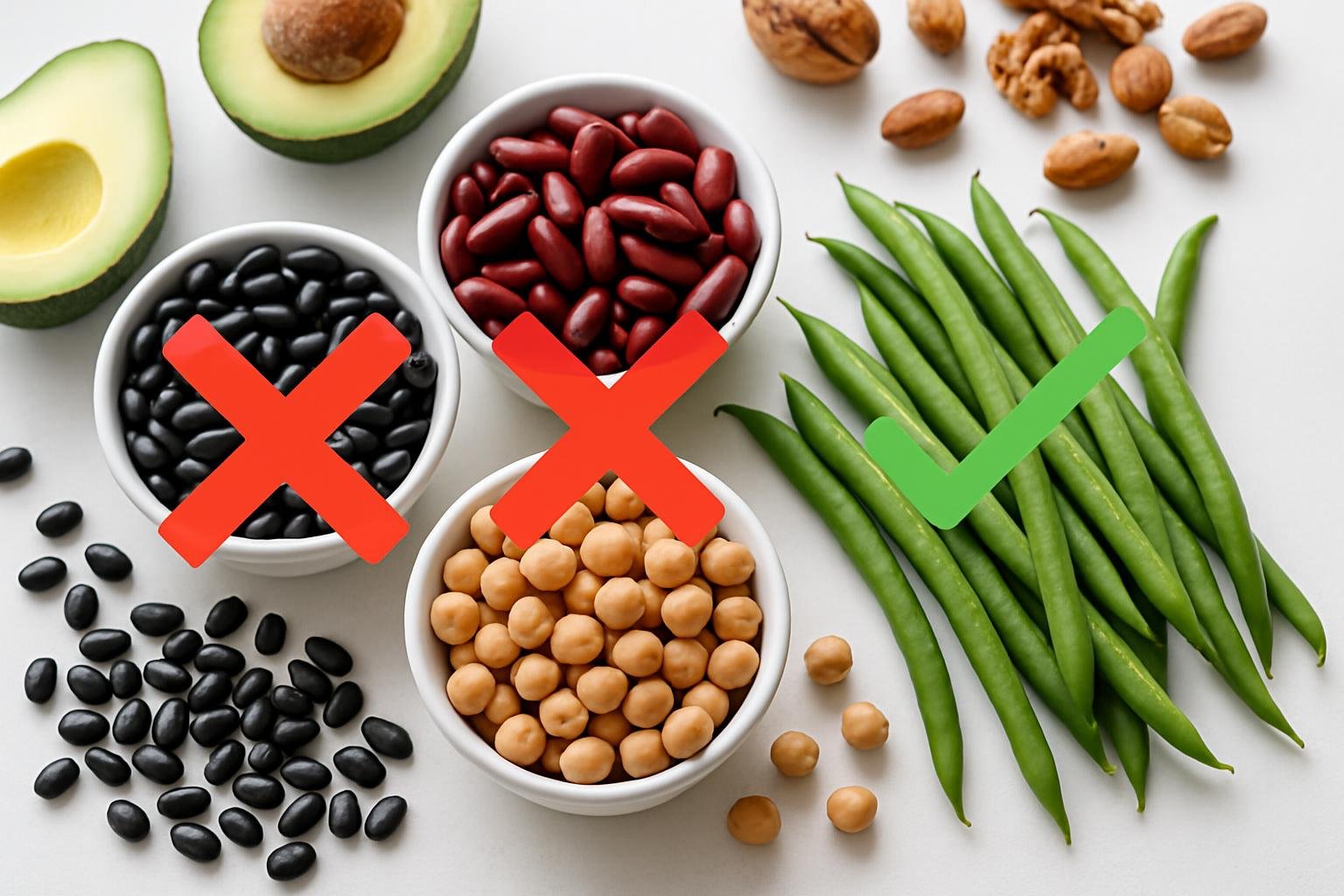
- Nutrient deficiencies: Since the ketogenic diet restricts certain food groups, such as fruits, whole grains, and legumes, it may be challenging to obtain all essential nutrients. Careful planning and supplementation may be necessary.
- Constipation: The low-fiber nature of the ketogenic diet can lead to constipation. It is important to prioritize fiber-rich foods, such as non-starchy vegetables and nuts, to promote healthy digestion.
- Bad breath: Ketones produced during ketosis can result in a fruity or acetone-like odor in the breath, commonly known as “keto breath.”
- Difficulty sticking to the diet long-term: The strict carbohydrate limitation and high-fat intake of the ketogenic diet can make it challenging to follow for an extended period. Sustaining compliance may require significant lifestyle adjustments and ongoing dedication.
Before embarking on a ketogenic diet, it is important to weigh the potential benefits against the risks and side effects. Consulting with a healthcare professional or registered dietitian can provide valuable guidance and support tailored to your individual needs and health status.
Keto Diet Meal Planning
Meal planning is an essential aspect of following a ketogenic diet. With this low-carb, high-fat eating pattern, careful selection of foods that are low in carbs and high in fat is necessary to maintain ketosis. Here are some tips to help you plan your keto meals:
1. Focus on high-quality fats
Include healthy fats like avocados, olive oil, coconut oil, and nuts in your meals. These fats provide sustained energy and can help keep you feeling satisfied.
2. Incorporate a variety of low-carb vegetables
Choose low-carb vegetables like leafy greens, broccoli, cauliflower, zucchini, and peppers to add vitamins, minerals, and fiber to your meals. These vegetables are also low in carbs, making them suitable for the keto diet.
3. Include moderate amounts of protein
Protein is an essential macronutrient, but it’s important not to overconsume it on the keto diet. Include moderate portions of protein sources like chicken, fish, eggs, and tofu in your meals to support muscle maintenance and repair.
4. Consider supplementation
Supplements can help ensure you’re meeting your nutrient needs while following a keto diet. Talk to your healthcare provider about whether you may benefit from supplements like omega-3 fatty acids, vitamin D, and electrolytes.
Here’s an example of a keto-friendly meal plan:
| Meal | Food |
|---|---|
| Breakfast | Avocado and bacon omelet with spinach |
| Lunch | Grilled salmon with roasted asparagus and a side salad with olive oil dressing |
| Dinner | Grilled chicken thighs with cauliflower rice and sautéed broccoli |
| Snack | Handful of almonds and a cheese stick |
Remember to stay hydrated and listen to your body’s hunger and fullness cues. Meal planning can help you stay on track with your keto diet and make sure you’re getting the right balance of nutrients.
Potential Health Considerations
While the ketogenic diet has shown potential benefits for weight loss and certain health conditions, it is important to be aware of the potential risks and considerations involved. Before starting a ketogenic diet, it is crucial to consult with a healthcare professional, especially if you have any pre-existing health conditions. Here are some potential health effects and risks associated with the ketogenic diet:
1. Suitability for Certain Medical Conditions
The ketogenic diet may not be suitable for individuals with certain medical conditions, such as liver disease, pancreatitis, or kidney disease. It is important to discuss your specific health condition with a healthcare professional to determine if the ketogenic diet is appropriate for you.
2. Impact on Blood Lipid Levels
The ketogenic diet can cause changes in blood lipid levels, with some individuals experiencing an increase in LDL (bad) cholesterol levels. It is important to monitor your cholesterol levels regularly and consult with a healthcare professional if you have any concerns.
3. Effect on Gut Health and Microbiome Diversity
The restriction of carbohydrates in the ketogenic diet can have an impact on gut health and the diversity of the gut microbiome. Carbohydrates are a source of fiber, which is important for maintaining a healthy gut. It may be necessary to incorporate sources of fiber and probiotics into your diet to support gut health while following a ketogenic diet.
Remember, the information provided here is not exhaustive, and it is essential to consult with a healthcare professional before making any significant dietary changes. They can provide personalized advice based on your individual needs and health status.
Potential Health Considerations of the Ketogenic Diet
| Consideration | Potential Impact |
|---|---|
| Suitability for Certain Medical Conditions | May not be suitable for individuals with liver disease, pancreatitis, or kidney disease. |
| Impact on Blood Lipid Levels | May cause an increase in LDL (bad) cholesterol levels in some individuals. |
| Effect on Gut Health and Microbiome Diversity | Restriction of carbohydrates can affect gut health and the diversity of the gut microbiome. |
It is important to keep in mind that the risks and considerations mentioned here may not apply to everyone, and individual experiences may vary. Consulting with a healthcare professional is crucial for personalized guidance and to address any concerns you may have before starting a ketogenic diet.
Tips for Success on the Keto Diet
Following a ketogenic diet can be challenging, especially in the beginning. However, with the right strategies and approaches, you can set yourself up for success. Here are some tips to help you thrive on the keto diet:
- Start slowly: Gradually reduce your carbohydrate intake instead of cutting them out completely overnight. This can help your body adjust to the changes more easily.
- Focus on whole, unprocessed foods: Choose nutrient-dense options such as lean meats, fish, eggs, non-starchy vegetables, and healthy fats like avocados and nuts. These foods will provide you with the essential nutrients your body needs.
- Increase healthy fat intake: Make sure to include plenty of healthy fats in your diet, such as olive oil, coconut oil, and grass-fed butter. These fats will provide you with energy and help keep you feeling satisfied.
- Stay hydrated: Drinking enough water is important on the keto diet. Aim to drink at least 8 cups of water a day to stay properly hydrated.
- Track your macronutrient intake: Keeping track of your macronutrient intake can help you ensure you’re staying within the recommended ratios of fat, protein, and carbohydrates. There are many apps and online tools available that can help you track your food intake and calculate your macronutrient ratios.
- Seek support: Consider working with a registered dietitian or healthcare professional who can provide guidance and support as you navigate the keto diet. They can help answer any questions you may have and provide personalized recommendations.
- Meal planning and preparation: Planning and preparing your meals in advance can greatly help you stay on track with the keto diet. It allows you to have keto-friendly options readily available, making it easier to stick to your goals and ensure you’re meeting your nutritional needs.

By following these tips, you can increase your chances of success on the keto diet. Remember, everyone’s journey is unique, so don’t be afraid to make adjustments that work best for you. With dedication, patience, and a well-planned approach, you can achieve your health and wellness goals on the keto diet.
The Importance of Individualization
When it comes to the ketogenic diet, it’s essential to remember that there is no one-size-fits-all approach. What works for one person may not work for another. That’s why individualization is crucial when following the keto diet. Various factors, such as age, gender, activity level, and overall health, should be taken into consideration when determining the appropriate macronutrient ratios and calorie intake.
By personalizing your approach to the keto diet, you can tailor it to meet your individual needs and goals. Consulting with a registered dietitian or healthcare professional can provide valuable guidance and ensure that the diet is optimized for your specific requirements.
It’s also important to listen to your body and make adjustments as needed. Everyone’s response to the keto diet may be different, so paying attention to how you feel and adjusting your approach accordingly is essential for long-term success.
Maintaining a Balanced Approach
While the ketogenic diet can be effective for short-term weight loss and certain health conditions, it is important to maintain a balanced approach for long-term sustainability. This includes incorporating a variety of nutrient-dense foods, focusing on whole foods, and incorporating regular physical activity.
One way to ensure a balanced approach is by including a wide range of foods from different food groups in your diet. Here are some key food groups to consider:
- Fruits and vegetables: These provide essential vitamins, minerals, and fiber. Aim for a variety of colorful options to ensure you get a wide range of nutrients.
- Protein sources: Include lean meats, poultry, fish, legumes, and plant-based proteins such as tofu and tempeh. These are important for muscle repair and growth.
- Healthy fats: Incorporate sources such as avocados, nuts, seeds, and olive oil. These provide important nutrients and can help promote satiety.
- Whole grains: If you choose to include grains in your diet, opt for whole grains such as quinoa, brown rice, and whole-wheat bread. These provide fiber and other important nutrients.
In addition to incorporating a variety of nutrient-dense foods, it is important to listen to your body and make adjustments as needed. Pay attention to hunger and fullness cues, and make sure you are eating enough to support your energy needs while still maintaining your desired calorie deficit if weight loss is your goal.
Regular physical activity is also an essential component of a balanced approach. Engaging in activities you enjoy, such as walking, cycling, or strength training, can help increase your energy expenditure and support overall health.
Remember, a balanced approach to the keto diet is about finding a way of eating that you can sustain in the long term. If you find that the strict carbohydrate restriction of the ketogenic diet is not sustainable for you, it may be worth considering other dietary approaches that align more closely with your personal preferences and lifestyle.
Listen to your body, work with a registered dietitian or healthcare professional, and find a way of eating that supports your health and well-being.
| Benefits of a Balanced Approach to the Keto Diet | Risks of a Balanced Approach to the Keto Diet |
|---|---|
| 1. Provides a wide range of nutrients for overall health | 1. May slow down weight loss compared to stricter keto |
| 2. Allows for more flexibility and enjoyment in your meals | 2. May require more planning and preparation |
| 3. Supports long-term sustainability and adherence | 3. May not provide the same level of ketosis for therapeutic purposes |
Conclusion
In conclusion, before you go keto, there are important things you need to know. The ketogenic diet can be a powerful tool for weight loss and has been associated with various health benefits. However, it is crucial to educate yourself about the fundamentals of the diet, take into account your individual needs and health conditions, and seek guidance from a healthcare professional.
Remember, the ketogenic diet is not without potential risks and considerations. It may not be suitable for everyone, especially those with specific medical conditions. It is always best to consult with a healthcare professional to determine if the ketogenic diet is the right choice for you.
To ensure long-term success on the ketogenic diet, it is essential to maintain a balanced approach. Incorporate a variety of nutrient-dense foods, listen to your body’s signals, and make adjustments as needed. Keep in mind that the ketogenic diet may not be sustainable for everyone, and it’s okay to explore other dietary approaches that better align with your preferences and lifestyle.
Whether you choose to embark on a ketogenic journey or opt for another dietary approach, remember to prioritize your overall well-being. Ultimately, each person’s journey is unique, and finding a sustainable and enjoyable way of eating is key to achieving your health and wellness goals.
FAQ
What do I need to know before starting a keto diet?
Before starting a keto diet, it’s important to understand the basics of the diet and its potential benefits and risks. Consulting with a healthcare professional is recommended to ensure that the diet is suitable for you, especially if you have any pre-existing health conditions.
What is the ketogenic diet?
The ketogenic diet is a high-fat, low-carb eating pattern that aims to put the body in a state of ketosis. It involves consuming foods that are high in fat, moderate in protein, and low in carbohydrates.
How does ketosis work?
Ketosis is a metabolic state that occurs when the body doesn’t have enough glucose (from carbohydrates) to provide energy and starts burning fat instead. This process produces ketones, which are used as an alternative fuel source.
What are the pros and cons of the ketogenic diet?
The ketogenic diet offers potential benefits such as weight loss, improved insulin sensitivity, increased energy levels, and reduced inflammation. However, it also has potential risks and side effects, including nutrient deficiencies and difficulty sticking to the diet long-term.
How should I plan my meals on a ketogenic diet?
Meal planning is crucial on a ketogenic diet. Focus on selecting foods that are low in carbs and high in fat, such as avocados, olive oil, grilled meats, non-starchy vegetables, nuts, and cheese. Considering supplementation may also help ensure nutrient balance.
Are there any potential health considerations with the ketogenic diet?
While the ketogenic diet may offer benefits for weight loss and certain health conditions, it may not be suitable for individuals with certain medical conditions, such as liver disease or kidney disease. It’s essential to consult with a healthcare professional before starting the diet.
What tips can help me succeed on the keto diet?
Start slowly and gradually reduce carbohydrate intake, focus on whole, unprocessed foods, increase healthy fat intake, stay hydrated, track your macronutrient intake, and seek support from a registered dietitian or healthcare professional. Meal planning and preparation can also be helpful.
How important is individualization on the keto diet?
Individualization is key when it comes to the keto diet. Consider factors such as age, gender, activity level, and overall health when determining the appropriate macronutrient ratios and calorie intake. Consulting with a registered dietitian or healthcare professional can ensure a personalized approach.
How can I maintain a balanced approach on the keto diet?
Besides following the principles of the keto diet, it’s important to incorporate a variety of nutrient-dense foods, focus on whole foods, and engage in regular physical activity. Listening to your body and making adjustments as needed is also crucial for long-term sustainability.
What should I keep in mind before starting a keto diet?
Before starting a keto diet, it’s essential to educate yourself about the basics of the diet, consider your individual needs and health status, and seek guidance from a healthcare professional. Remember that maintaining a balanced approach is key for long-term success.