Are You Ready to Conquer Keto Without Breaking the Bank?
Ah, the keto diet. It’s like that trendy new restaurant everyone’s raving about – you’re dying to try it, but you’re worried it’ll cost you an arm and a leg. Well, fear not, fellow frugal foodies! We’re here to show you how to whip up delicious keto meals that’ll keep your wallet as happy as your waistline. So grab your apron and let’s dive into the world of budget-friendly, low-carb living!
The Importance of a Meal Plan in a Keto Diet
Picture this: it’s 6 PM, you’re starving, and your fridge is as empty as your stomach. Suddenly, that carb-loaded pizza delivery is looking mighty tempting. Sound familiar? This, dear reader, is why meal planning is your secret weapon in the battle against budget-busting impulse buys and diet-derailing decisions.
A well-crafted keto meal plan isn’t just a list of foods – it’s your roadmap to success. It helps you:
- Stay on track with your macros
- Avoid the dreaded “keto flu” by ensuring balanced nutrition
- Save money by reducing food waste and impulse purchases
- Reduce stress and decision fatigue (because who needs more of that?)
Think of your meal plan as your personal keto GPS. It’ll keep you headed in the right direction, even when temptation tries to lead you astray. And the best part? With a little practice, you’ll be navigating the keto landscape like a pro in no time!
Understanding the Basics of a Keto Meal Plan

Before we start filling our plates, let’s get a handle on what makes a meal plan truly keto-friendly. The ketogenic diet is all about keeping your carb intake low (typically under 50 grams of net carbs per day) while upping your fat consumption. This forces your body into a state of ketosis, where it burns fat for fuel instead of carbs.
Here’s a quick breakdown of what your keto macros should look like:
| Macronutrient | Percentage of Daily Calories |
|---|---|
| Fat | 70-75% |
| Protein | 20-25% |
| Carbohydrates | 5-10% |
Now, we know what you’re thinking – “But isn’t all that fat expensive?” Not necessarily! With some smart shopping and clever cooking, you can create a budget-friendly keto meal plan that’ll keep both your body and your bank account in tip-top shape.
Tips for Successful Meal Planning on a Keto Diet
Ready to become a keto meal planning maestro? Here are our top tips for creating a plan that’ll have you singing “low carb, high satisfaction”:
- Start with a clean slate: Before you plan, take inventory of what you already have. This prevents overbuying and helps you use up what’s in your pantry.
- Keep it simple: You don’t need to be a Michelin-starred chef to succeed on keto. Focus on simple, versatile ingredients that can be used in multiple meals.
- Embrace leftovers: Cook once, eat twice (or thrice!). Many keto dishes taste even better the next day.
- Plan for flexibility: Life happens. Include a few easy, no-cook options for those nights when cooking feels like climbing Everest.
- Don’t forget snacks: Keto-friendly snacks can be a lifesaver when hunger strikes. Include them in your plan to avoid temptation.
Remember, the best meal plan is one you’ll actually stick to. So be realistic about your time, cooking skills, and preferences. Rome wasn’t built in a day, and neither is the perfect keto meal plan. Start small, adjust as needed, and before you know it, you’ll be a lean, mean, keto-planning machine!
Incorporating Variety in Your Keto Meal Plan
Let’s face it – eating the same thing day in and day out is about as exciting as watching paint dry. But fear not! The keto diet doesn’t have to be a monotonous parade of bacon and eggs (although, let’s be honest, that doesn’t sound half bad).
Here are some ways to keep your taste buds on their toes:
- Explore the rainbow: No, we’re not talking Skittles here. Fill your plate with a variety of colorful, low-carb veggies. From vibrant bell peppers to deep green spinach, each color brings its own unique nutrients to the table.
- Spice it up: Herbs and spices are your flavor friends on keto. They add zing without adding carbs. Try a different spice blend each week to keep things interesting.
- Rotate your proteins: Don’t get stuck in a chicken rut. Mix it up with beef, pork, fish, and plant-based options like tofu or tempeh.
- Get creative with textures: Crispy, creamy, crunchy, chewy – variety isn’t just about taste. Play with different textures to keep your meals satisfying.
- Theme nights: Taco Tuesday, anyone? Having themed meal nights can make planning fun and give you something to look forward to.
Remember, variety isn’t just about avoiding boredom – it’s also key to getting a wide range of nutrients. So go ahead, be a keto culinary adventurer. Your taste buds (and your body) will thank you!
How to Create a Budget-Friendly Keto Meal Plan
Alright, let’s talk turkey (and beef, and chicken, and…). Creating a keto diet meal plan that doesn’t require a second mortgage is totally doable. Here’s how:
- Embrace eggs: These little protein powerhouses are cheap, versatile, and perfect for keto. Frittatas, omelets, egg salad – the possibilities are endless!
- Buy in bulk: When you spot a good deal on keto staples like meat or nuts, stock up. Your freezer is your friend here.
- Choose cheaper cuts: Chicken thighs often cost less than breasts and have more fat (win-win for keto). Same goes for less popular cuts of beef.
- Frozen is your friend: Frozen veggies are often cheaper than fresh and just as nutritious. Plus, they won’t go bad in your crisper drawer.
- DIY when possible: Making your own keto-friendly condiments and snacks can save big bucks in the long run.
Here’s a sample day of budget-friendly keto meals:
| Meal | Menu | Estimated Cost |
|---|---|---|
| Breakfast | Scrambled eggs with spinach and feta | $2.50 |
| Lunch | Tuna salad lettuce wraps | $3.00 |
| Dinner | Slow cooker chicken thigh curry with cauliflower rice | $4.50 |
| Snack | Homemade keto trail mix | $1.00 |
Total daily cost: $11.00
See? Keto doesn’t have to cost an arm and a leg (which is good, because you need those for all the energy you’ll have on this diet!).
Utilizing Low-Carb Ingredients in Your Meal Plan
Now that we’ve got our budget-friendly basics down, let’s talk ingredients. The key to a successful (and affordable) keto diet is knowing which low-carb foods give you the most bang for your buck.
Here are some keto staples that should be on your grocery list:
- Eggs: We’ve said it before, we’ll say it again. Eggs are keto gold.
- Chicken: Versatile, affordable, and widely available.
- Canned fish: Tuna, sardines, and salmon are packed with healthy fats and protein.
- Frozen vegetables: Broccoli, cauliflower, and spinach are all keto-friendly and budget-friendly when bought frozen.
- Avocados: Yes, they can be pricey, but their high fat content makes them worth it. Buy them when they’re on sale and freeze them!
- Butter and oils: These are your fat sources. Look for sales and stock up.
- Cheese: A little goes a long way in adding flavor and fat to your meals.
Remember, the key to keeping keto affordable is flexibility. If avocados are $2 each this week, maybe it’s time to try out that sardine pate recipe instead. Your wallet (and your taste buds) will thank you for the adventure!
Money-Saving Tips for Preparing Keto Meals
Alright, budget-conscious keto warriors, it’s time to level up your savings game. Here are some ninja-level tips for keeping your keto on a budget:
- Meal prep like a boss: Dedicate a few hours each week to prepping meals in bulk. This saves time and money, and helps you resist the siren call of takeout.
- Love your leftovers: Get creative with yesterday’s dinner. That leftover roast chicken? It’s tomorrow’s chicken salad or soup.
- Embrace the whole animal: Buying a whole chicken is often cheaper than pre-cut pieces. Plus, you can use the bones to make nutrient-rich bone broth.
- Grow your own: Even if you don’t have a green thumb, herbs are easy to grow on a windowsill and can save you a bundle.
- Shop seasonally: Produce that’s in season is usually cheaper and more flavorful.
- Don’t fear the freezer section: Frozen berries can be a great low-carb treat and are often much cheaper than fresh.
Remember, saving money on keto is a marathon, not a sprint. Every little bit adds up, so don’t get discouraged if you don’t see massive savings right away. Keep at it, and soon you’ll be a lean, mean, money-saving machine!
Easy Keto Meal Prep Ideas
Alright, let’s roll up our sleeves and get prepping! Meal prep is like the superhero of the keto world – it swoops in to save you time, money, and countless “what’s for dinner?” headaches. Here are some easy keto meals you can prep in advance:
- Egg Muffins: Whisk eggs with your favorite low-carb veggies and cheese, pour into muffin tins, and bake. Voila! Breakfast for the week.
- Chicken and Veggie Sheet Pan: Roast a big batch of chicken thighs with low-carb veggies. Portion out for easy lunches.
- Cauliflower Rice: Rice a head of cauliflower and portion into bags. It’ll be ready to heat and eat all week.
- Keto Chili: Make a big pot on Sunday and enjoy it all week. It gets better with time!
- Fat Bombs: These little nuggets of fat are perfect for a quick energy boost. Make a batch and keep them in the freezer.
Remember, the goal is to make your future self’s life easier. So think about what you’ll actually want to eat throughout the week. There’s no point in prepping a week’s worth of food you’ll dread eating!
Meal Prep Recipes for a Week on a Keto Diet
Ready to put your meal prep skills to the test? Here’s a sample weekly meal plan that you can prep in advance:
| Day | Breakfast | Lunch | Dinner |
|---|---|---|---|
| Monday | Egg Muffins | Chicken and Veggie Bowl | Keto Chili |
| Tuesday | Egg Muffins | Chicken and Veggie Bowl | Baked Salmon with Asparagus |
| Wednesday | Keto Smoothie | Leftover Chili | Taco Stuffed Peppers |
| Thursday | Keto Smoothie | Tuna Salad Lettuce Wraps | Leftover Stuffed Peppers |
| Friday | Bacon and Eggs | Leftover Salmon | Keto Pizza (cauliflower crust) |
| Saturday | Keto Pancakes | Out for Lunch | Steak with Garlic Butter Mushrooms |
| Sunday | Brunch | Leftovers | Meal Prep for Next Week |
This plan repeats some meals to make prep easier, but still offers variety throughout the week. And remember, this is just a template – feel free to swap in your favorite keto recipes!
Utilizing Leftovers to Create New Keto Dishes
Let’s talk leftovers, baby! In the world of budget-friendly keto, leftovers aren’t just reheated repeats – they’re opportunities for culinary creativity. Here’s how to transform your leftovers into exciting new keto dishes:
- Leftover Roast Chicken: Shred it for chicken salad, add it to a frittata, or use it in a creamy chicken soup.
- Extra Taco Meat: Turn it into a taco salad, stuff it into bell peppers, or use it as a topping for zucchini noodles.
- Surplus Veggies: Throw them into an omelet, blend them into a soup, or roast them for a side dish.
- Leftover Steak: Slice it thin for steak and eggs, chop it up for a steak salad, or use it in a stir-fry with low-carb veggies.
- Extra Cauliflower Rice: Use it as a base for a “fried rice” dish, mix it with eggs for a breakfast hash, or turn it into a creamy cauliflower mash.
Remember, the key to loving your leftovers is to see them not as repeats, but as ingredients for your next culinary masterpiece. With a little creativity, yesterday’s dinner can become today’s gourmet keto creation!
How to Include a Variety of Nutrients in a Low-Carb Meal Plan
Now, let’s talk nutrients. Just because we’re cutting carbs doesn’t mean we’re cutting corners on nutrition. In fact, a well-planned keto diet can be a nutrient powerhouse! Here’s how to ensure you’re getting a wide range of vitamins and minerals:
- Eat the rainbow: Different colored vegetables offer different nutrients. Aim for a variety of colors on your plate.
- Don’t fear fruit: While many fruits are high in carbs, berries are relatively low and packed with antioxidants. A handful of strawberries or blueberries can add a nutritional boost to your day.
- Go nuts (and seeds): These are great sources of minerals like magnesium and zinc. Plus, they’re perfect for snacking!
- Embrace leafy greens: Spinach, kale, and other leafy greens are low in carbs but high in nutrients like iron and vitamin K.
- Don’t skimp on protein: Vary your protein sources between meat, fish, eggs, and plant-based options to get a wide range of amino acids and other nutrients.
Remember, a truly healthy keto diet is about more than just macros – it’s about nourishing your body with a wide range of nutrients. So go ahead, give your meals a nutrient makeover!
Incorporating Healthy Fats into Your Low-Carb Diet
Alright, let’s talk about everyone’s favorite keto macronutrient – fat! But not just any fat – we’re talking about those glorious healthy fats that keep you feeling full, satisfied, and bursting with energy. Here’s how to incorporate them into your low-carb diet:
- Avocado: This creamy fruit is a keto superstar. Use it in salads, make guacamole, or even blend it into smoothies for a velvety texture.
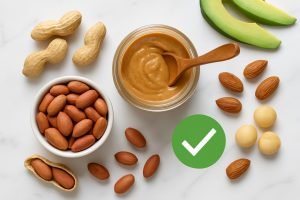
- Nuts and seeds: Almonds, walnuts, chia seeds, and flaxseeds are all great sources of healthy fats and fiber.
- Olive oil: Use it for cooking, drizzle it over salads, or use it as a base for homemade salad dressings.
- Coconut oil: Great for cooking at high temperatures and adds a subtle tropical flavor to dishes.
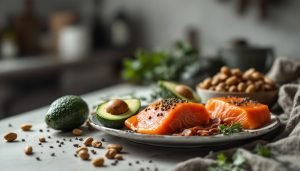
- Fatty fish: Salmon, mackerel, and sardines are packed with omega-3 fatty acids.
- Eggs: The yolks are where all the good fats are, so don’t skimp!
Remember, while fat is a key component of the keto diet, quality matters. Focus on incorporating a variety of healthy fat sources to ensure you’re getting a good balance of different fatty acids.
Ensuring a Balance of Protein and Vegetables in Your Keto Meals
While fat may be the star of the keto show, protein and vegetables play crucial supporting roles. Here’s how to ensure you’re getting a good balance:
- Prioritize protein: Aim for moderate protein intake at each meal. Good sources include:
- Chicken, turkey, and other poultry
- Beef, pork, and lamb
- Fish and seafood
- Eggs
- Tofu and tempeh for plant-based options
- Load up on low-carb veggies: These provide essential nutrients and fiber without breaking your carb bank. Some keto-friendly favorites include:
- Leafy greens like spinach, kale, and arugula
- Cruciferous veggies such as broccoli, cauliflower, and Brussels sprouts
- Zucchini and other summer squashes
- Bell peppers
- Asparagus
- Practice the plate method: A simple way to balance your meals is to divide your plate into thirds:
- 1/3 protein
- 1/3 low-carb vegetables
- 1/3 healthy fats
- Don’t fear plant-based proteins: While animal proteins are common in keto diets, don’t overlook plant-based options like tofu, tempeh, and seitan. They can add variety to your meals and provide different nutrient profiles.
- Experiment with veggie-based substitutes: Try cauliflower rice, zucchini noodles, or lettuce wraps to add more veggies to your meals while keeping carbs low.
Remember, balance is key. While keto is a high-fat diet, it’s not a no-veggie diet. Incorporating a variety of low-carb vegetables ensures you’re getting a wide range of vitamins, minerals, and fiber.
Budget-Friendly Shopping Tips for Keto Ingredients
Now, let’s talk about how to fill your cart without emptying your wallet. Here are some top tips for budget-friendly keto shopping:
- Shop the sales: Check your local grocery store flyers and plan your meals around what’s on sale.
- Buy in bulk: When non-perishable keto staples are on sale, stock up. This goes for nuts, oils, and even some meats that can be frozen.
- Choose cheaper cuts of meat: Chicken thighs are often cheaper than breasts and have more fat – perfect for keto! Similarly, less popular cuts of beef can be more affordable.
- Embrace frozen vegetables: They’re often cheaper than fresh, last longer, and are just as nutritious.
- Don’t shy away from canned fish: Canned salmon, tuna, and sardines are affordable sources of protein and healthy fats.
- Check out discount stores: Many discount grocery stores carry keto-friendly items at lower prices.
- Consider store brands: They’re often just as good as name brands but at a fraction of the cost.
- Buy whole chickens: They’re usually cheaper per pound than pre-cut pieces, and you can use the bones to make bone broth.
- Look for markdown produce: Many stores discount produce that’s close to its sell-by date. These are perfect for using immediately or freezing for later.
- Grow your own herbs: Fresh herbs can be expensive, but they’re easy to grow on a windowsill and add tons of flavor to your meals.
Remember, smart shopping is a skill that improves with practice. Don’t be discouraged if you don’t see massive savings right away – every little bit counts!
Creating a Keto-Friendly Grocery List on a Budget
Ready to hit the store? Here’s a sample grocery list that’ll keep you keto without breaking the bank:
Proteins:
- Eggs
- Chicken thighs
- Ground beef
- Canned tuna or salmon
- Tofu (if you eat soy)
Vegetables:
- Frozen spinach
- Frozen broccoli
- Cauliflower
- Zucchini
- Lettuce
Dairy and Alternatives:
- Heavy cream
- Butter
- Cheese (buy in blocks and grate yourself to save money)
- Unsweetened almond milk
Fats:
- Olive oil
- Coconut oil
- Avocados (when on sale)
Pantry Items:
- Nuts (almonds, walnuts)
- Seeds (chia, flax)
- Herbs and spices
- Bouillon cubes (for quick broths)
Remember, this is just a starting point. Adjust based on your personal preferences, local prices, and what’s on sale. And don’t forget to check your pantry before you shop – you might already have some of these items!
Finding Affordable High-Fat Ingredients for Your Keto Diet
Last but not least, let’s talk about finding those all-important fats without spending a fortune. Here are some wallet-friendly ways to up your fat intake:
- Eggs: We’ve mentioned them before, but they bear repeating. Eggs are one of the most affordable sources of both fat and protein.
- Butter: Look for sales and stock up. Butter freezes well, so you can buy in bulk when the price is right.
- Oils: Olive oil and coconut oil can be pricey, but they last a long time. Look for larger containers for better value.
- Fatty cuts of meat: These are often cheaper than leaner cuts. Think chicken thighs, pork belly, and beef chuck.
- Canned fish: Sardines and mackerel are affordable sources of healthy fats.
- Seeds: Sunflower seeds and pumpkin seeds are often cheaper than nuts and still pack a fatty punch.
- Full-fat dairy: Greek yogurt, sour cream, and cream cheese can be affordable ways to add fat to your diet.
- Avocados: Yes, they can be expensive, but watch for sales and buy them slightly underripe so they last longer.
Remember, the key to affordable keto is flexibility. If one high-fat food is too expensive this week, look for alternatives. With a bit of creativity and smart shopping, you can keep your fat intake high and your costs low.
And there you have it, folks! Your comprehensive guide to creating balanced keto meal plans on a budget. Remember, Rome wasn’t built in a day, and neither is the perfect keto routine. Be patient with yourself, stay flexible, and don’t be afraid to get creative in the kitchen. Before you know it, you’ll be a lean, mean, keto-cooking machine – all without breaking the bank. Now go forth and conquer your keto journey!