Are you wondering if you can enjoy peanuts while following a ketogenic diet? Do you miss snacking on peanuts or worry that your favorite peanut butter might derail your keto progress? These concerns are completely understandable, especially since peanuts are technically legumes rather than true nuts, which can create confusion about their place in a ketogenic eating plan.
The good news is that peanuts occupy a unique position in the ketogenic diet landscape. Unlike most other legumes, which are typically too high in carbohydrates for keto, peanuts offer a favorable macronutrient profile that can fit into most ketogenic meal plans when consumed mindfully.
Understanding Peanuts: Not Actually Nuts
Before diving into their ketogenic compatibility, it’s important to understand what peanuts actually are. Despite their name and common classification, peanuts are legumes, not tree nuts. They grow underground and are more closely related to beans, peas, and lentils than to almonds, walnuts, or other tree nuts.
This botanical classification might initially cause concern for keto dieters, given that most legumes are high in carbohydrates and generally avoided on ketogenic diets. However, peanuts represent a significant exception to the typical legume carbohydrate profile, making them one of the few legumes that can be included in ketogenic eating plans.

The unique nutritional composition of peanuts sets them apart from other legumes. While beans and lentils are primarily carbohydrate sources with moderate protein content, peanuts are predominantly fat with moderate protein and relatively low carbohydrates.
Peanut Nutrition Facts for Keto
Understanding the exact nutritional profile of peanuts is crucial for determining their place in a ketogenic diet. The macronutrient breakdown reveals why peanuts can be keto-friendly when consumed in appropriate portions.
Carbohydrate Content
One ounce (28 grams) of peanuts contains approximately 4 grams of net carbohydrates. This serving size represents about 28-30 individual peanuts, depending on their size. The relatively low carbohydrate content makes peanuts manageable within the strict carbohydrate limits of ketogenic diets.
For larger serving sizes, the carbohydrate content scales accordingly:
- 100 grams of peanuts contain approximately 7.6 grams of net carbohydrates
- One cup of peanuts contains approximately 8.6 grams of net carbohydrates
These numbers demonstrate that while peanuts are keto-friendly, portion control remains essential. A full cup of peanuts would consume a significant portion of most people’s daily carbohydrate allowance on a strict ketogenic diet.
Fat Content: The Keto Advantage
The high fat content of peanuts is what makes them particularly suitable for ketogenic diets. One ounce of peanuts provides approximately 14 grams of fat, representing about 76% of the total calories in that serving.
This fat composition aligns well with ketogenic macronutrient targets, where 70-80% of calories should come from fat. The fats in peanuts are predominantly unsaturated fats, including both monounsaturated and polyunsaturated varieties that can support heart health and provide sustained energy.
Protein Content
Peanuts also provide a moderate amount of protein, with one ounce containing approximately 7 grams. This protein content makes peanuts a more complete snack option compared to pure fats like oils or butter, helping to promote satiety and support muscle maintenance.
The combination of fat and protein in peanuts creates a satisfying snack that can help control hunger between meals, which is particularly valuable during the adaptation phase of ketogenic dieting when appetite regulation is still stabilizing.
Peanut Butter on Keto: What You Need to Know
Peanut butter represents one of the most popular ways to consume peanuts, but not all peanut butter products are created equal from a ketogenic perspective.
Natural vs. Processed Peanut Butter
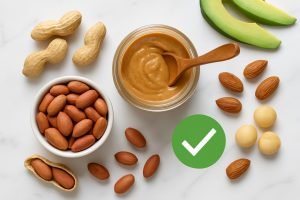
Natural peanut butter made from just peanuts (and possibly salt) represents the best choice for ketogenic dieters. Two tablespoons of natural peanut butter typically contain 5 grams of net carbohydrates, making it a reasonable addition to ketogenic meal plans.
Processed peanut butter often contains added sugars, hydrogenated oils, and other additives that can significantly increase the carbohydrate content and introduce unhealthy trans fats. These products should be avoided on ketogenic diets.
When selecting peanut butter for keto, read ingredient labels carefully. The ideal peanut butter should contain only peanuts and possibly salt, with no added sugars, corn syrup, or other high-carbohydrate additives.
Portion Control with Peanut Butter
While natural peanut butter can fit into ketogenic diets, portion control is crucial. Two tablespoons represent a standard serving size, but it’s easy to consume much more than this amount, especially when eating directly from the jar.
Measuring peanut butter portions helps ensure you stay within your daily carbohydrate limits while still enjoying this satisfying food. Consider pre-portioning peanut butter into small containers or using measuring spoons to maintain appropriate serving sizes.
Comparing Peanuts to Other Keto Nuts
Understanding how peanuts compare to true nuts can help you make informed decisions about your ketogenic snack choices.
Macadamia Nuts: The Keto Gold Standard
Macadamia nuts are often considered the ideal keto nut due to their extremely high fat content and minimal carbohydrates. One ounce of macadamia nuts contains only 1.5 grams of net carbohydrates compared to peanuts’ 4 grams.
However, macadamia nuts are significantly more expensive than peanuts and may not be as readily available, making peanuts a more practical choice for many people following ketogenic diets.
Almonds and Walnuts
Almonds contain approximately 3 grams of net carbohydrates per ounce, making them slightly lower in carbs than peanuts. Walnuts provide about 2 grams of net carbohydrates per ounce.
While these tree nuts have slight advantages in carbohydrate content, peanuts remain competitive and offer the advantage of lower cost and wider availability. The difference in carbohydrate content is small enough that personal preference and budget considerations can guide the choice.
Cashews: Higher Carb Option
Cashews contain approximately 8 grams of net carbohydrates per ounce, making them significantly higher in carbs than peanuts. This comparison illustrates that peanuts, despite being legumes, are actually lower in carbohydrates than some tree nuts.
Nutritional Comparison Table
| Nut/Legume (1 oz) | Net Carbs | Total Fat | Protein | Calories |
|---|---|---|---|---|
| Peanuts | 4.0g | 14.0g | 7.0g | 161 |
| Macadamia Nuts | 1.5g | 21.5g | 2.2g | 204 |
| Almonds | 3.0g | 14.0g | 6.0g | 164 |
| Walnuts | 2.0g | 18.5g | 4.3g | 185 |
| Cashews | 8.0g | 12.0g | 5.2g | 157 |
| Pecans | 1.2g | 20.0g | 2.6g | 196 |
Health Benefits of Peanuts on Keto
Beyond their macronutrient profile, peanuts offer several health benefits that can support overall wellness while following a ketogenic diet.
Heart Health Support
The monounsaturated and polyunsaturated fats in peanuts can help support cardiovascular health by improving cholesterol profiles. Studies have shown that regular nut consumption, including peanuts, is associated with reduced risk of heart disease.
The absence of cholesterol and the presence of beneficial plant compounds called phytosterols in peanuts may help lower LDL (bad) cholesterol levels when consumed as part of a balanced diet.
Antioxidant Content
Peanuts contain various antioxidants, including resveratrol (the same compound found in red wine), which may help protect against cellular damage and inflammation. These antioxidants can support overall health and may help mitigate some of the oxidative stress associated with dietary changes.
Micronutrient Profile
Peanuts provide several important vitamins and minerals, including:
- Niacin (Vitamin B3): Important for energy metabolism and nervous system function
- Folate: Essential for DNA synthesis and red blood cell formation
- Vitamin E: A powerful antioxidant that protects cell membranes
- Magnesium: Important for muscle and nerve function, blood sugar control
- Phosphorus: Essential for bone health and energy storage
These micronutrients can help fill nutritional gaps that might occur during the transition to ketogenic eating, when food variety may be temporarily reduced.
Potential Concerns with Peanuts on Keto
While peanuts can be keto-friendly, there are several considerations to keep in mind.
Aflatoxin Content
Peanuts can contain aflatoxins, naturally occurring toxins produced by certain molds that can grow on peanuts during storage. While aflatoxin levels in commercial peanut products are regulated and generally considered safe, some people prefer to limit their exposure.
Proper storage of peanuts in cool, dry conditions can help minimize aflatoxin development. Choosing reputable brands and avoiding peanuts that appear moldy or have an off smell can also reduce exposure risk.
Allergenic Potential
Peanut allergies are among the most common and severe food allergies. Even trace amounts of peanuts can trigger serious reactions in allergic individuals. If you have any history of peanut sensitivity, consult with a healthcare provider before including peanuts in your ketogenic diet.
Omega-6 Fatty Acid Content
Peanuts are relatively high in omega-6 fatty acids, which can contribute to inflammation when consumed in excess relative to omega-3 fatty acids. While this isn’t necessarily problematic in moderate amounts, those following ketogenic diets should ensure they’re also consuming adequate omega-3 fatty acids from sources like fatty fish, flaxseeds, or fish oil supplements.
Calorie Density
Peanuts are very calorie-dense, with one ounce providing about 161 calories. While this can be advantageous for meeting the high-calorie needs of ketogenic diets, it can also make it easy to overconsume calories if portion sizes aren’t controlled.
Practical Tips for Including Peanuts in Your Keto Diet
Successfully incorporating peanuts into a ketogenic eating plan requires strategic planning and mindful consumption.
Pre-Portioning Strategy
Pre-portion peanuts into small containers or bags to avoid mindless overeating. One-ounce portions (about 28-30 peanuts) represent a reasonable serving size that provides satisfaction without excessive carbohydrates.
Timing Considerations
Consider when you consume peanuts during the day. They can serve as an effective between-meal snack to maintain energy levels and prevent excessive hunger at main meals. The combination of fat and protein helps provide sustained energy without blood sugar spikes.
Combination with Other Foods
Peanuts can be combined with other keto-friendly foods to create more complete snacks or meals. Consider pairing a small portion of peanuts with:
- Celery sticks for added fiber and crunch
- Cheese for additional protein and fat
- Dark chocolate (85% cacao or higher) for a satisfying treat
Cooking and Preparation Methods
Raw or dry-roasted peanuts without added oils or seasonings represent the best choices for ketogenic diets. Avoid honey-roasted, sugar-coated, or heavily salted varieties that can add unnecessary carbohydrates and sodium.
Homemade peanut butter can be prepared in a food processor using just peanuts and a small amount of salt, ensuring no hidden sugars or additives are included.
Peanuts vs. Other Legumes on Keto
Understanding how peanuts compare to other legumes reinforces their unique position in ketogenic diets.
Traditional Legumes to Avoid
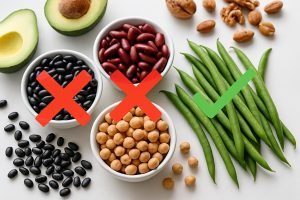
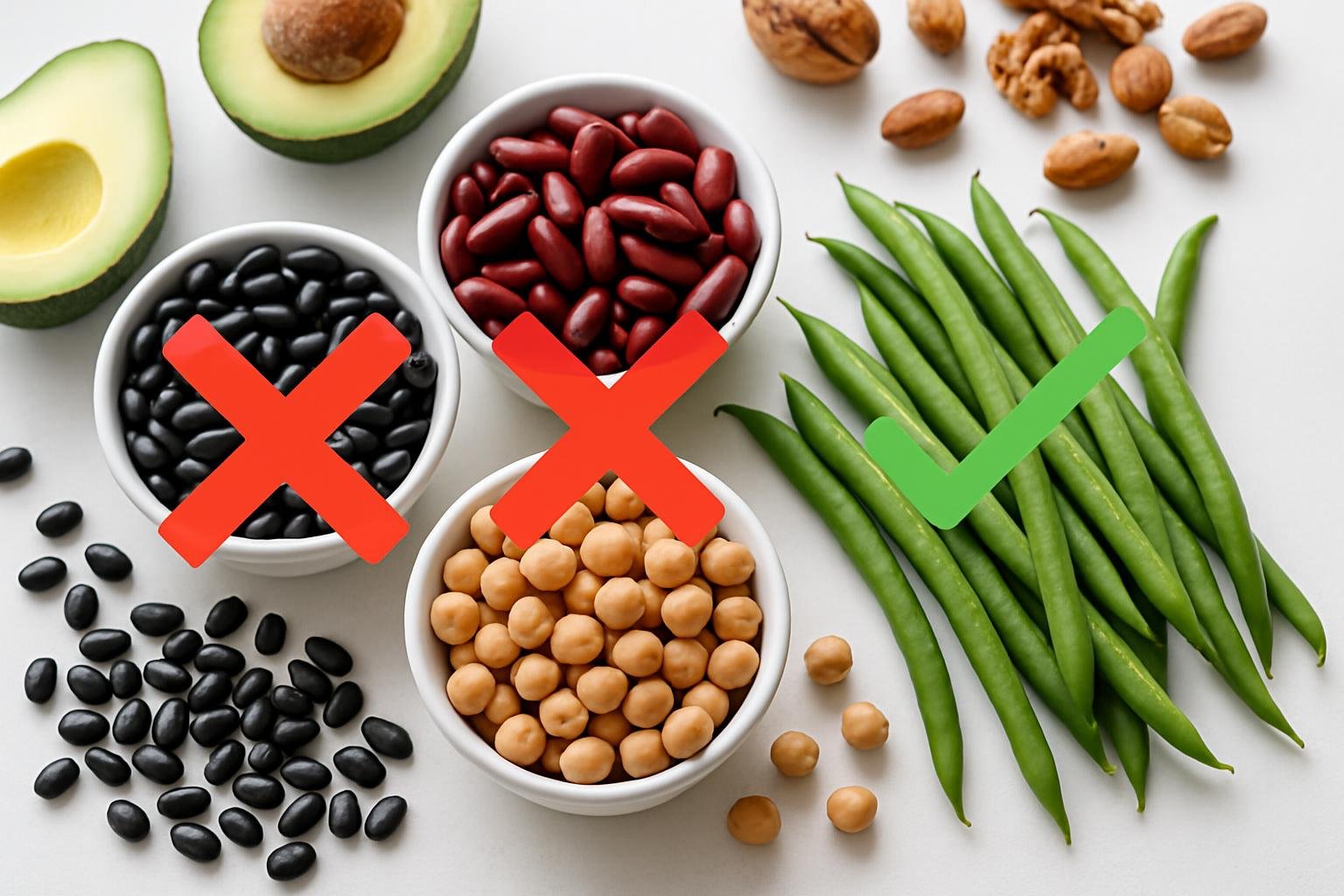
Most legumes are too high in carbohydrates for ketogenic diets:
- Black beans: 12.9g net carbs per ½ cup
- Chickpeas: 16.3g net carbs per ½ cup
- Lentils: 12.2g net carbs per ½ cup
These carbohydrate levels would quickly exceed daily limits for most ketogenic dieters.
Why Peanuts Are Different
Peanuts evolved as oil-rich seeds rather than starch-storage organs like most other legumes. This evolutionary difference explains their unique macronutrient profile and their compatibility with ketogenic diets.
The fat content in peanuts serves as the primary energy storage mechanism, unlike other legumes that store energy primarily as carbohydrates. This fundamental difference makes peanuts suitable for ketogenic eating while other legumes are not.
Quality Considerations for Keto Peanuts
Not all peanut products are equally suitable for ketogenic diets. Understanding quality markers can help you make the best choices.
Organic vs. Conventional
Organic peanuts may have lower pesticide residues and are often grown using more sustainable practices. While not strictly necessary for ketogenic success, choosing organic options can support overall health goals.
Processing Methods
Minimal processing is generally preferable for ketogenic diets. Raw or dry-roasted peanuts without added oils, sugars, or artificial ingredients align best with ketogenic principles.
Storage and Freshness
Fresh peanuts not only taste better but also have lower risk of aflatoxin contamination and rancidity. Store peanuts in airtight containers in cool, dry places, and consider refrigeration for longer-term storage.
Long-term Considerations
For those following ketogenic diets long-term, peanuts can serve as a sustainable and affordable source of healthy fats and protein. Their shelf stability and widespread availability make them practical for consistent inclusion in ketogenic meal plans.
Variety in nut and seed consumption remains important for optimal nutrition. While peanuts can be a regular part of a ketogenic diet, rotating between different nuts, seeds, and other fat sources ensures a broader range of nutrients and prevents dietary monotony.
Conclusion
Peanuts represent a unique success story among legumes for ketogenic dieters. Despite their botanical classification as legumes rather than nuts, their favorable macronutrient profile makes them compatible with ketogenic eating plans when consumed in appropriate portions.
The 4 grams of net carbohydrates per ounce places peanuts well within the range of acceptable keto foods, while their high fat content and moderate protein make them satisfying and nutritionally valuable. Their affordability and availability provide practical advantages over some tree nuts.
Success with peanuts on keto requires attention to portion sizes, quality selection, and integration into overall daily macronutrient targets. When these factors are managed appropriately, peanuts can provide a satisfying, nutritious, and sustainable component of ketogenic eating.
For most people following ketogenic diets, peanuts can be enjoyed regularly as snacks, ingredients in recipes, or components of meals. Their versatility, combined with their favorable nutritional profile, makes them a valuable addition to the ketogenic food repertoire.
Individual tolerance and goals should guide consumption levels, but for the majority of ketogenic dieters, peanuts represent a practical and enjoyable way to meet fat and protein needs while staying within carbohydrate limits.