Are you craving something sweet while following a ketogenic diet and wondering if dates might satisfy that craving? Do you miss the natural sweetness and chewy texture of dates in your favorite recipes? These questions are common among people transitioning to ketogenic eating, especially those who previously relied on dates as a natural sweetener or healthy snack option.
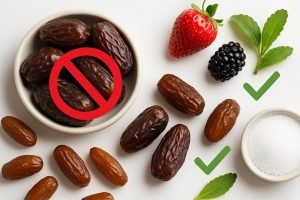
Unfortunately, the answer regarding dates and ketogenic diets is straightforward but disappointing for date lovers: dates are not keto-friendly. Their extremely high natural sugar content makes them incompatible with the strict carbohydrate limitations required to maintain ketosis.
Understanding why dates don’t work on keto, along with exploring suitable alternatives, can help you navigate sweet cravings while staying committed to your ketogenic goals.
Understanding Date Nutrition: Nature’s Candy
Dates are often marketed as a healthy, natural alternative to processed sugars, and while they do provide certain nutrients, their carbohydrate profile makes them essentially nature’s candy. This concentrated sweetness that makes dates so appealing is precisely what makes them problematic for ketogenic diets.
The Carbohydrate Reality of Dates

The carbohydrate content of dates varies depending on the variety and size, but all common types contain far too many carbs for ketogenic eating. Here’s what you’re looking at with different date varieties:
Medjool dates, among the most popular varieties, contain approximately 16-17 grams of net carbohydrates per single date. This means that eating just three Medjool dates would exceed the entire daily carbohydrate allowance for most people following strict ketogenic diets.
Deglet Noor dates, which are smaller and firmer than Medjool dates, still contain approximately 5.3 grams of net carbohydrates per date. While lower than Medjool dates, even this smaller variety would quickly consume a significant portion of daily carb limits.
Dried dates in general can range from 5.3 to 17 grams of net carbohydrates per individual date, depending on size and variety. A quarter-cup serving of chopped dried dates contains approximately 24.6 grams of net carbohydrates, which exceeds the daily limit for most ketogenic dieters.
Sugar Composition in Dates
The carbohydrates in dates consist primarily of simple sugars, including glucose, fructose, and sucrose. These sugars are rapidly absorbed by the body, causing quick spikes in blood glucose levels that can immediately disrupt ketosis.
Fructose content in dates is particularly concerning for ketogenic dieters, as fructose is processed directly by the liver and can interfere with ketone production. The high concentration of these simple sugars makes dates function similarly to candy from a metabolic perspective.
Unlike complex carbohydrates that are broken down more slowly, the simple sugars in dates provide immediate glucose to the bloodstream, triggering insulin release and potentially stopping ketone production entirely.
Why Dates Are Incompatible with Ketosis
The fundamental principles of ketogenic diets center around maintaining very low carbohydrate intake to keep the body in a state of ketosis, where it burns fat for fuel instead of glucose. Dates present multiple challenges to this metabolic state.
Immediate Glucose Impact
When you consume dates, the high concentration of simple sugars provides an immediate source of glucose to your bloodstream. This glucose availability signals your body to stop producing ketones and return to glucose-burning mode, effectively ending ketosis.
The rapid absorption of date sugars means that even small amounts can have significant metabolic impacts. Unlike foods with complex carbohydrates that are absorbed more slowly, dates deliver their sugar payload quickly and efficiently.
Insulin Response
The high glycemic impact of dates triggers substantial insulin release. Insulin is a storage hormone that not only promotes fat storage but also actively inhibits ketone production. This dual effect makes dates particularly problematic for maintaining ketogenic metabolic states.
Sustained insulin elevation from consuming high-sugar foods like dates can take hours to normalize, during which time ketone production remains suppressed and fat burning is reduced.
Carbohydrate Threshold Violation
Most ketogenic diets require limiting net carbohydrates to 20-50 grams per day, with many people aiming for the lower end of this range. A single large date can provide one-third to one-half of this entire daily allowance, leaving little room for vegetables and other essential foods.
The concentrated nature of date carbohydrates means that even small portions can quickly exceed daily limits, making portion control extremely difficult and often ineffective.
Nutritional Comparison: Dates vs. Keto-Friendly Foods
Understanding how dates compare to keto-approved foods illustrates why they’re incompatible with ketogenic eating.
Dates vs. Berries
Strawberries, one of the most keto-friendly fruits, contain approximately 5.4 grams of net carbohydrates per cup. This means you could eat an entire cup of strawberries for fewer carbs than contained in a single large date.
Blackberries provide about 6 grams of net carbohydrates per cup, while raspberries contain approximately 5.4 grams per cup. These comparisons highlight how dramatically different dates are from truly low-carb fruit options.
Dates vs. Vegetables
Spinach contains only 0.4 grams of net carbohydrates per cup, meaning you could eat 40 cups of spinach for the same carb content as one large date. This comparison illustrates the extreme concentration of carbohydrates in dates.
Broccoli provides 4 grams of net carbohydrates per cup, while cauliflower contains about 3 grams per cup. These nutrient-dense vegetables provide substantial volume and nutrition for a fraction of the carbohydrates found in dates.
Date Products and Keto: What to Avoid
Beyond whole dates, many products contain dates or date-derived ingredients that can sabotage ketogenic efforts.
Date Sugar and Date Syrup
Date sugar is simply ground-up whole dates, concentrating all the carbohydrates into a powder form. One tablespoon of date sugar contains approximately 12 grams of carbohydrates, making it completely unsuitable for ketogenic diets.
Date syrup or date nectar concentrates the sugars from dates into a liquid form, often containing 15-16 grams of carbohydrates per tablespoon. These products are sometimes marketed as healthy alternatives to refined sugar, but they’re equally problematic for ketogenic eating.
Date-Containing Products
Many energy bars, protein bars, and health food products use dates as binding agents or natural sweeteners. Always read ingredient labels carefully, as even small amounts of dates can significantly impact the carbohydrate content of these products.
Date paste is another common ingredient in health-conscious recipes and products. This concentrated form of dates provides all the carbohydrate problems of whole dates in a more easily hidden form.
Carbohydrate Comparison Table
| Food Item | Serving Size | Net Carbs | Keto-Friendly |
|---|---|---|---|
| Medjool Date | 1 large date | 16-17g | No |
| Deglet Noor Date | 1 date | 5.3g | No |
| Dried Dates | ¼ cup chopped | 24.6g | No |
| Date Sugar | 1 tablespoon | 12g | No |
| Date Syrup | 1 tablespoon | 15-16g | No |
| Strawberries | 1 cup | 5.4g | Yes |
| Blackberries | 1 cup | 6g | Yes |
| Spinach | 1 cup | 0.4g | Yes |
| Broccoli | 1 cup | 4g | Yes |
The Fiber Factor: Why It Doesn’t Help
Some people argue that the fiber content in dates should offset their high sugar content, but this reasoning doesn’t hold up for ketogenic diets.
Net Carbs Still Too High
While dates do contain fiber (approximately 6.7 grams per 100 grams), the total carbohydrate content is so high that even after subtracting fiber, the net carbohydrates remain excessive for ketogenic eating.
A 100-gram serving of dates contains approximately 75 grams of total carbohydrates. Even after subtracting the 6.7 grams of fiber, you’re left with 68 grams of net carbohydrates – more than three times the daily limit for most ketogenic dieters.
Fiber Type Considerations
The type of fiber in dates is primarily soluble fiber, which can slow sugar absorption somewhat but doesn’t prevent the eventual glucose impact. The simple sugars in dates are still readily available for absorption, regardless of fiber content.
Insoluble fiber, which is more effective at reducing net carbohydrate impact, is present in much smaller amounts in dates compared to vegetables and other low-carb foods.
Keto-Friendly Alternatives to Dates
While dates themselves aren’t compatible with ketogenic diets, several alternatives can help satisfy similar cravings and provide comparable functionality in recipes.
Natural Sweetener Alternatives
Stevia provides intense sweetness without any carbohydrates, making it an excellent substitute for the sweetening power of dates. Liquid stevia can be particularly useful in recipes where dates would normally provide moisture and binding.
Erythritol offers a sugar-like taste and texture with only 0.2 grams of net carbohydrates per teaspoon. It can work well in baked goods and other recipes where dates would normally provide bulk and sweetness.
Monk fruit sweetener provides another zero-carb option that can replace the sweetening function of dates in many applications.
Texture and Binding Alternatives
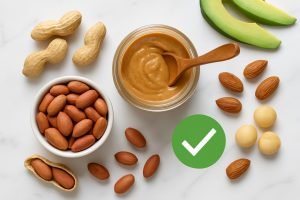
Almond butter or other nut butters can provide the binding and moisture functions that dates serve in many recipes, while contributing healthy fats that support ketogenic goals.
Coconut butter offers natural sweetness along with binding properties, containing only 2 grams of net carbohydrates per tablespoon.
Chia seeds when soaked can create a gel-like consistency that mimics some of the binding properties of date paste, while providing only 1 gram of net carbohydrates per tablespoon.
Recipe Modification Strategies
When adapting recipes that call for dates, focus on replacing both the sweetness and functional properties separately rather than trying to find a single substitute.
Energy ball recipes can be modified using combinations of nuts, seeds, nut butters, and keto-friendly sweeteners to create similar textures and flavors without the high carbohydrate content.
Smoothie recipes that call for dates can use small amounts of keto-friendly fruits like berries, combined with stevia or other zero-carb sweeteners for additional sweetness.
The Psychology of Date Cravings on Keto
Understanding why you might crave dates while following a ketogenic diet can help you develop better strategies for managing these desires.
Sugar Addiction and Withdrawal
Date cravings often represent broader sugar cravings that are common during the early phases of ketogenic eating. Dates provide concentrated sweetness that can temporarily satisfy these cravings but ultimately perpetuate the cycle of sugar dependence.
Breaking the sugar cycle requires avoiding all high-sugar foods, including natural ones like dates, to allow taste preferences to adapt to less sweet foods over time.
Habit and Association
Many people associate dates with healthy eating or use them as comfort foods. Recognizing these psychological associations can help you develop new, keto-compatible habits and comfort foods.
Mindful eating practices can help distinguish between true hunger and habitual or emotional eating patterns that might drive date cravings.
Long-term Perspective on Dates and Keto
For those committed to long-term ketogenic eating, understanding the permanent incompatibility of dates with this lifestyle is important for setting realistic expectations.
Metabolic Adaptation
As your body becomes fat-adapted through consistent ketogenic eating, cravings for high-sugar foods like dates typically diminish significantly. This adaptation process usually takes several weeks to months but results in much more stable appetite and reduced sugar cravings.
Taste preference changes often occur during ketogenic adaptation, with many people finding that previously appealing sweet foods like dates become overwhelmingly sweet and less desirable.
Nutritional Adequacy
The nutrients provided by dates can be easily obtained from keto-friendly sources. The potassium in dates is available in avocados and leafy greens, while the small amounts of vitamins and minerals can be found in other low-carb foods.
Fiber needs can be met through low-carb vegetables, nuts, and seeds without requiring high-carb fruits like dates.
Special Considerations and Exceptions
While dates are generally incompatible with ketogenic diets, there are a few specific scenarios where very limited consumption might be considered.
Targeted Ketogenic Diets
Athletes following targeted ketogenic diets might occasionally consume small amounts of high-carb foods like dates around intense training sessions. However, this approach requires careful timing and monitoring and isn’t appropriate for most ketogenic dieters.
Cyclical Ketogenic Approaches
Some people follow cyclical ketogenic diets that include periodic high-carb refeeding days. During these specific periods, dates might be consumed, but they would still be avoided during the ketogenic phases.
Medical Supervision
Individuals following ketogenic diets for medical reasons should consult with healthcare providers before making any exceptions to strict carbohydrate limitations, including the consumption of dates.
Practical Tips for Avoiding Date Temptation
Successfully avoiding dates while following a ketogenic diet requires practical strategies and preparation.
Label Reading
Always read ingredient labels on packaged foods, as dates appear in many products under various names including date paste, date syrup, and date sugar.
Restaurant Awareness
Many Middle Eastern, Mediterranean, and health-focused restaurants use dates in various dishes. Don’t hesitate to ask about ingredients when dining out.
Social Situations
Prepare responses for social situations where dates might be offered as healthy snacks or dessert components. Having keto-friendly alternatives ready can help you stay on track.
Emergency Snacks
Keep keto-friendly sweet snacks available for times when date cravings strike. Options like macadamia nuts, dark chocolate (85% cacao or higher), or keto fat bombs can provide satisfaction without derailing ketosis.
Conclusion
The question of whether dates are keto-friendly has a clear and definitive answer: they are not. The extremely high carbohydrate content of dates, consisting primarily of simple sugars, makes them incompatible with the strict carbohydrate limitations required for ketogenic diets.
A single large date can contain enough carbohydrates to exceed half of most people’s daily carb allowance on keto, making portion control ineffective as a strategy for inclusion. The rapid absorption of date sugars can quickly disrupt ketosis and trigger insulin responses that interfere with fat burning.
However, understanding why dates don’t work on keto opens the door to finding suitable alternatives that can satisfy similar cravings and provide comparable functionality in recipes. Natural zero-carb sweeteners, nut butters, and creative recipe modifications can help fill the gap left by eliminating dates.
Long-term success with ketogenic eating often involves accepting that some previously enjoyed foods, including dates, simply don’t fit into this lifestyle. The good news is that as metabolic adaptation occurs, cravings for high-sugar foods typically diminish, making the absence of dates less noticeable over time.
For those committed to ketogenic eating, focusing on the abundant foods that are compatible with this approach, rather than lamenting those that aren’t, leads to greater satisfaction and success. The ketogenic diet offers numerous delicious and satisfying options that can provide the energy, nutrition, and even sweetness that dates once provided.
Individual goals and circumstances should guide dietary decisions, but for the vast majority of people following ketogenic diets, dates represent a food to avoid entirely rather than attempt to moderate or substitute.