Are you ready to take your wellness journey to the next level?
Imagine combining the benefits of a vegan diet with the incredible potential of a ketogenic lifestyle. Introducing the ultimate vegan keto diet guide, your roadmap to achieving optimal health and well-being.
This comprehensive guide will unravel the mysteries of the vegan keto diet, showcasing how you can harness the power of plant-based nutrition and the science-backed advantages of ketosis. Discover what to eat and avoid, explore a one-week vegan keto meal plan, and gain insights into the benefits and potential risks of this transformative dietary approach.
Get ready to embark on a truly enlightening journey. Are you ready to unlock the secrets of the ultimate vegan keto diet guide?
Key Takeaways:
- Learn what the vegan keto diet is and how it can be tailored to a plant-based lifestyle.
- Discover the benefits of combining vegan and ketogenic diets for improved health and weight management.
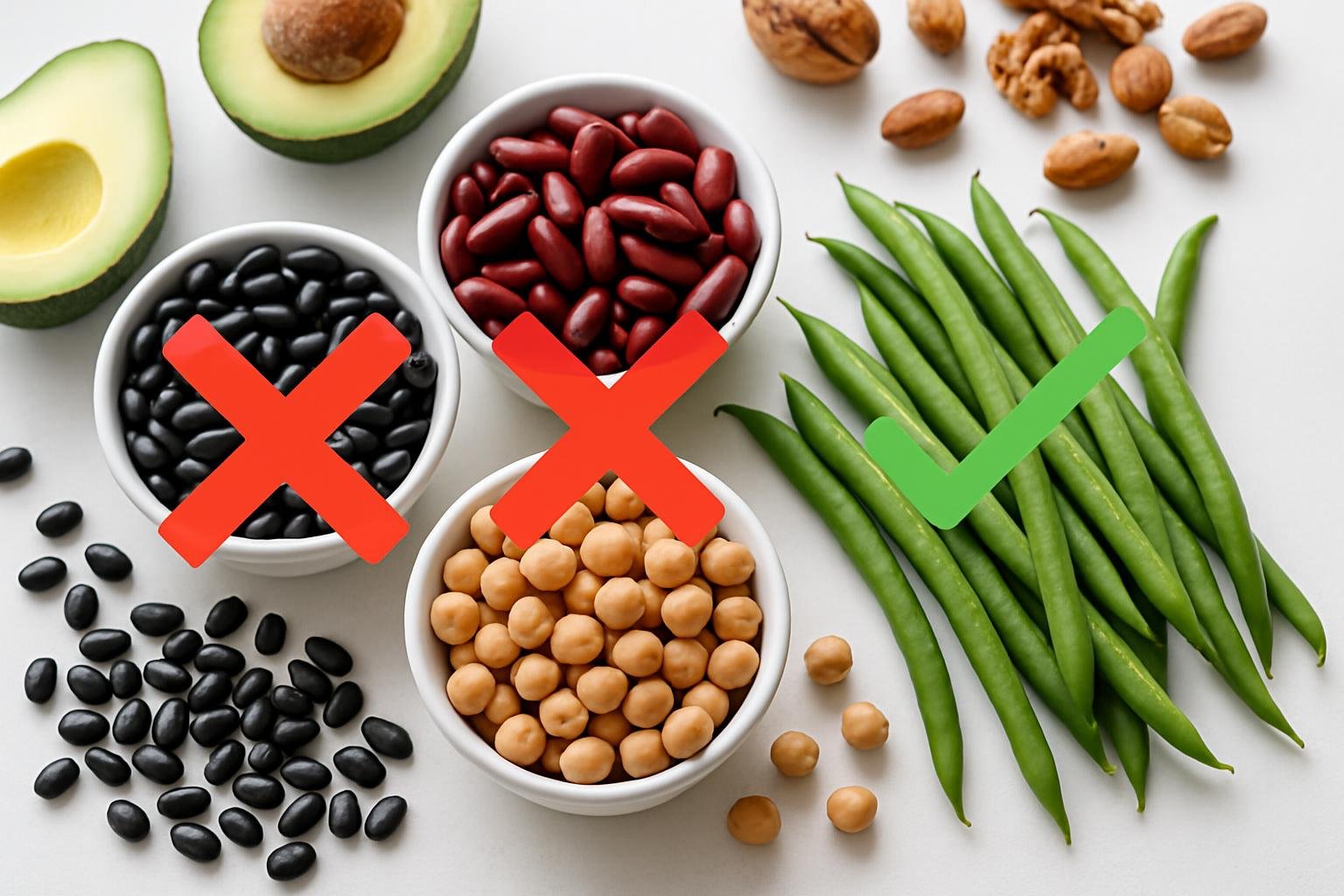
- Understand the foods to avoid on a vegan keto diet, such as animal products and high-carb options.
- Explore a variety of delicious, nutritious foods to enjoy on a vegan keto diet.
- Find a one-week vegan keto meal plan to kickstart your journey towards wellness.
What is the Vegan Keto Diet?
The vegan keto diet is a low-carb, high-fat, moderate-protein diet that excludes all animal-based foods. It focuses on plant-based sources of fats and proteins, such as coconut oil, avocados, seeds, and nuts, to achieve ketosis. By reducing carbohydrate intake and relying on plant-based fats for energy, the vegan keto diet aims to promote weight loss and improve overall health.
Following a vegan keto diet plan allows you to enjoy the benefits of a plant-based keto diet while adhering to your ethical and environmental beliefs. You can nourish your body with wholesome vegan keto foods that provide essential nutrients without compromising on taste or variety.
Here are some key features of the vegan keto diet:
- Avoidance of animal-based foods: The vegan keto diet excludes all animal products, including meat, poultry, fish, eggs, and dairy. This makes it suitable for individuals following a plant-based lifestyle.
- Focus on plant-based fats: Healthy sources of plant-based fats are essential for meeting your energy needs on the vegan keto diet. These include avocados, coconut oil, olive oil, nuts, and seeds.
- Moderate protein intake: While the vegan keto diet emphasizes fats, it still includes a moderate amount of plant-based proteins like tofu, tempeh, and seitan.
- Carbohydrate restriction: The vegan keto diet limits carbohydrate intake to induce ketosis, a metabolic state in which your body uses fat for fuel instead of carbohydrates.
By following a plant-based keto diet, you can enjoy a wide variety of vegan keto foods that are both nutritious and delicious. These include low-carb vegetables like leafy greens, cruciferous vegetables, and zucchini, as well as plant-based proteins like tofu, seitan, and tempeh.
Whether you’re looking to lose weight, improve your metabolic health, or enhance your athletic performance, the vegan keto diet can be a viable option for you. It provides a unique combination of the health benefits associated with both plant-based and ketogenic diets.
| Key Features of the Vegan Keto Diet | |
|---|---|
| Excludes: | Includes: |
|
|
To visualize the key features of the vegan keto diet, refer to the table above.
Benefits of the Vegan Keto Diet
Both vegan and ketogenic diets offer a wide range of health benefits. Combining the two in a vegan keto diet can provide even greater advantages for overall wellness. Let’s explore the distinct benefits of each diet and how they merge to create a powerful dietary approach that supports weight loss, heart health, and chronic disease prevention.
The Benefits of Vegan Diets
Vegan diets have gained recognition for their ability to lower the risk of heart disease, diabetes, and certain types of cancer.
- Heart Health: Plant-based diets are naturally low in saturated fat and cholesterol, two major contributors to heart disease. By eliminating animal products, such as meat, dairy, and eggs, vegans can significantly reduce their risk of developing heart-related issues.
- Diabetes Prevention: Research has shown that vegan diets can help manage and prevent type 2 diabetes by improving insulin sensitivity and blood sugar control. The high fiber content of plant-based foods also plays a key role in regulating blood glucose levels.
- Cancer Prevention: Some cancers, like colorectal and prostate cancers, have been linked to the consumption of processed meats. By adopting a vegan diet rich in fruits, vegetables, and legumes, individuals can protect themselves against certain forms of cancer.
By following a vegan diet, individuals can enjoy these health benefits while helping animals and reducing their environmental impact.
The Benefits of the Ketogenic Diet
The ketogenic diet is well-known for its effectiveness in weight loss and improving heart health.
- Weight Loss: The ketogenic diet induces a state of ketosis, where the body utilizes fat as its primary fuel source instead of carbohydrates. This metabolic adaptation leads to significant weight loss, as the body burns stored fat for energy.
- Blood Sugar Control: By reducing carbohydrate intake, the keto diet helps stabilize blood sugar levels, making it an effective approach for individuals with diabetes or insulin resistance.
- Heart Health: The ketogenic diet has been shown to reduce heart disease risk factors, including high blood pressure, cholesterol levels, and triglycerides. It can also increase levels of “good” HDL cholesterol, which protects against heart disease.
The ketogenic diet’s ability to promote weight loss and improve heart health makes it a popular choice for many individuals.
Vegan Keto Benefits
By combining the benefits of both vegan and ketogenic diets, the vegan keto diet offers a unique set of advantages for individuals seeking to optimize their health.
The vegan keto diet allows for weight loss while providing the essential nutrients found in plant-based foods. It supports heart health by reducing saturated fat intake and improving lipid profile. Additionally, the low-carb nature of the diet aids in better blood sugar control and may lower the risk of developing diabetes.
For those already following a vegan lifestyle, adopting a vegan keto diet offers the opportunity to further enhance their health and well-being.
| Vegan Diet Benefits | Ketogenic Diet Benefits | Vegan Keto Benefits |
|---|---|---|
| Lower risk of heart disease | Effective weight loss | Weight loss while obtaining essential nutrients |
| Diabetes prevention | Blood sugar control | Better blood sugar control and reduced diabetes risk |
| Cancer prevention | Improved heart health | Reduced risk of chronic diseases |
Foods to Avoid on a Vegan Keto Diet
When following a vegan keto diet, it’s essential to significantly reduce carbohydrate intake and be mindful of the foods you consume. To ensure a successful vegan keto journey, here is a helpful guide outlining the foods to avoid:
1. Animal Products:
- Meat (e.g., beef, pork, lamb)
- Poultry (e.g., chicken, turkey)
- Seafood (e.g., fish, shellfish)
- Eggs
- Dairy products (e.g., milk, cheese, yogurt, butter)
2. High-Carb Foods:
- Grains (e.g., rice, wheat, quinoa)
- Starchy vegetables (e.g., potatoes, corn, peas)
- Sugary drinks (e.g., soda, fruit juices)
3. Highly Processed Foods:
Avoid packaged and processed vegan foods, as they may contain hidden carbs, unhealthy fats, and additives that can hinder your progress on a vegan keto diet. Opt for whole, unprocessed foods instead.
4. Low-Fat Diet Foods:
Stay away from low-fat options, as they often contain added sugars to compensate for the lack of flavor. Choose full-fat plant-based foods to fulfill the high-fat requirement of a vegan keto diet.
5. High-Carb Sauces and Condiments:
Be cautious of high-carb sauces and condiments, as they can quickly add up in carbohydrates. Read labels carefully and opt for low-carb alternatives, or make your own homemade keto-friendly versions.
By eliminating these foods from your vegan keto diet, you can maintain a low-carb, high-fat, and plant-based eating plan that supports your health and wellness goals.
Stay tuned for the next section, where we’ll explore a wide range of delicious and nutritious foods that you can enjoy on a vegan keto diet.
Foods to Eat on a Vegan Keto Diet
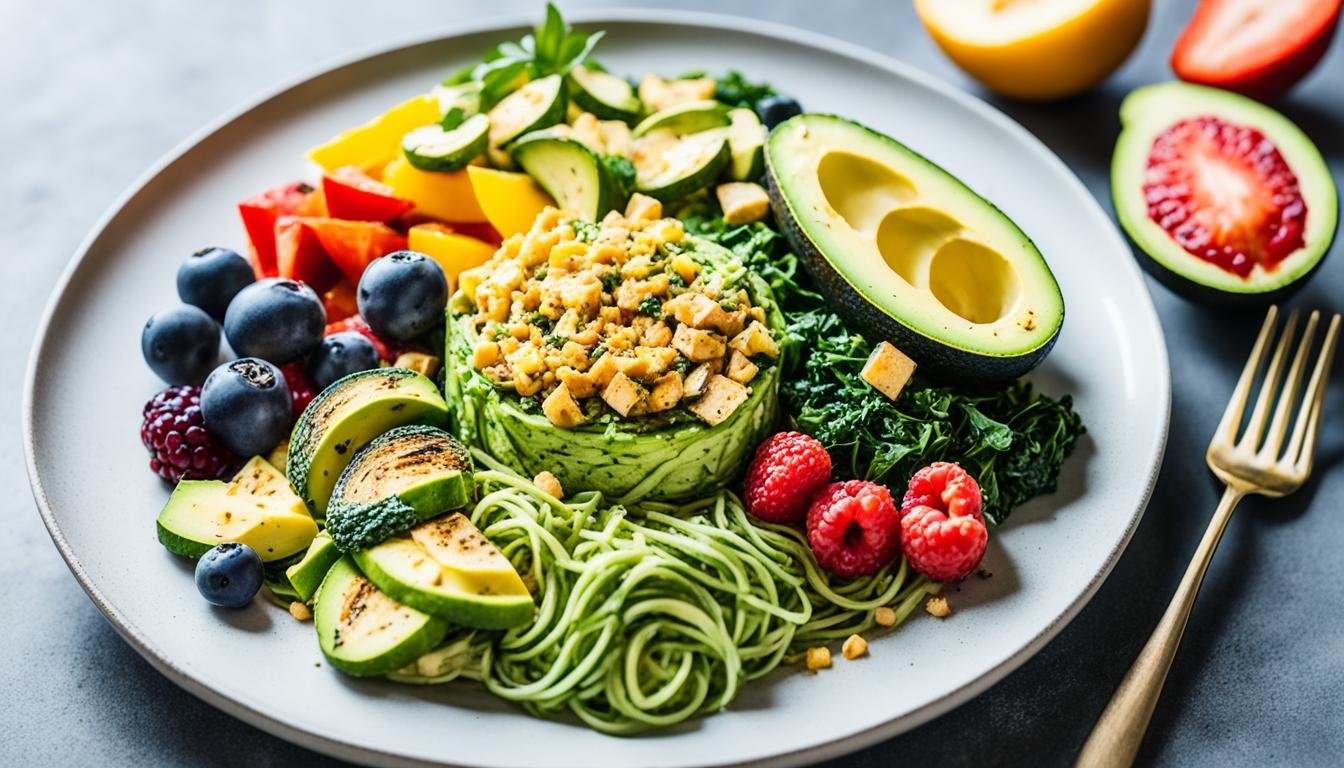
When following a vegan keto diet, the focus is on consuming high-fat, plant-based foods and vegan protein sources. These nutrient-dense foods not only promote ketosis but also provide essential nutrients for overall health. Here are some key foods to include in your vegan keto meal plan:
- Non-starchy vegetables: Include plenty of colorful vegetables such as leafy greens, broccoli, cauliflower, zucchini, and bell peppers.
- Avocados: Rich in healthy fats, avocados are a staple in the vegan keto diet. Enjoy them sliced, mashed, or as guacamole.
- Nuts and seeds: Almonds, walnuts, chia seeds, flaxseeds, and hemp seeds are excellent sources of healthy fats and protein.
- Coconut products: Coconut oil, coconut milk, and coconut cream are great additions to vegan keto recipes. They add flavor and provide medium-chain triglycerides (MCTs) for quick energy.
- Vegan protein sources: Tofu, tempeh, and seitan are rich sources of vegan protein that can be enjoyed in a variety of delicious recipes.
- Healthy oils: Olive oil, avocado oil, and coconut oil are all suitable for cooking and dressing salads.
It is essential to choose whole, unprocessed foods to maintain a healthy vegan keto diet. Limit or avoid packaged and processed vegan foods, as they may contain added sugars, artificial ingredients, and unhealthy fats. Remember to prioritize nutrient density and opt for organic and non-GMO options whenever possible.
To give you an idea of what a vegan keto meal might look like, here’s a sample day of vegan keto meals:
| Meal | Sample Dish |
|---|---|
| Breakfast | Keto Avocado Toast with Almond Flour Bread |
| Lunch | Spinach and Tofu Salad with Olive Oil Dressing |
| Snack | Almond Butter Fat Bombs |
| Dinner | Cauliflower Fried Rice with Tofu |
| Snack | Keto Chocolate Chia Pudding |
This meal plan provides a balance of plant-based proteins, healthy fats, and low-carb vegetables to support ketosis and keep you satisfied throughout the day.
With a little creativity and planning, you can enjoy a wide variety of delicious vegan keto recipes. Experiment with different flavors and ingredients to discover your favorite combinations. Incorporating these foods into your vegan keto meal plan will ensure you stay on track and enjoy a healthy, sustainable dietary approach.
A One-Week Vegan Keto Meal Plan
To help you get started on a vegan keto diet, here is a one-week sample menu. This meal plan includes breakfast, lunch, dinner, and snack options that are high in healthy fats and low in carbs. The menu includes dishes like keto porridge, tofu scramble, zucchini noodles, cauliflower rice stir-fry, and more. These meals provide a balance of plant-based proteins and fats to keep you satisfied and in ketosis.
| Day | Breakfast | Lunch | Dinner | Snack |
|---|---|---|---|---|
| Monday | Keto Porridge | Kale Salad with Avocado | Cauliflower Rice Stir-Fry | Coconut Fat Bombs |
| Tuesday | Tofu Scramble | Romaine Lettuce Wrap with Tofu | Portobello Mushroom Burger | Cucumber Slices with Vegan Cream Cheese |
| Wednesday | Chia Pudding | Spinach Salad with Almonds | Vegan Curry with Cauliflower and Coconut Milk | Coconut Milk Smoothie |
| Thursday | Green Smoothie | Zucchini Noodles with Pesto | Vegan Chili with Soy Crumbles | Nut and Coconut Bars |
| Friday | Avocado Toast with Almond Butter | Cauliflower Soup | Tempeh Stir-Fry with Broccoli | Trail Mix with Mixed Nuts and Seeds |
| Saturday | Smoothie Bowl with Coconut Milk | Cucumber Salad with Dill Dressing | Mixed Vegetable Curry | Roasted Pumpkin Seeds |
| Sunday | Berry Parfait with Coconut Yogurt | Roasted Mediterranean Vegetables | Zucchini Noodles with Vegan Alfredo Sauce | Celery Sticks topped with Almond Butter |
Vegan Keto Snack Ideas
Snacking can be a challenge on a vegan keto diet, but there are still plenty of options available. Here are some delicious and satisfying snack ideas to help you stay on track:
- Sliced cucumber with vegan cream cheese: Enjoy the refreshing crunch of cucumber slices paired with a creamy and dairy-free cream cheese alternative.
- Coconut fat bombs: Indulge in these decadent and energy-packed treats made with coconut oil, shredded coconut, and your favorite vegan sweeteners.
- Nut and coconut bars: These homemade bars are filled with the goodness of nuts, seeds, and shredded coconut, making them the perfect on-the-go snack.
- Trail mix with mixed nuts and seeds: Create a custom trail mix blend using a variety of nuts and seeds to satisfy your cravings and provide a good source of healthy fats.
- Coconut milk smoothies: Blend together coconut milk, your choice of low-carb fruits, and a vegan protein powder for a creamy and filling snack.
- Dried coconut flakes: Enjoy the natural sweetness and crunch of dried coconut flakes, which make for a convenient and portable snack.
- Roasted pumpkin seeds: These crunchy and nutrient-dense seeds are a great source of healthy fats and protein, making them an ideal option for a quick and easy snack.
- Celery sticks topped with almond butter: Spread some delicious almond butter on celery sticks for a satisfying combination of crunchy vegetables and creamy nutty goodness.
These snack ideas provide you with a variety of flavors and textures while keeping you in ketosis and providing the nourishment you need on a vegan keto diet.
Remember to listen to your body and choose snacks that align with your nutritional needs and preferences.
Drawbacks and Side Effects of a Vegan Keto Diet
While the vegan keto diet can offer numerous benefits for overall health and weight management, it’s essential to be aware of potential drawbacks and side effects. Adopting a vegan keto diet may inadvertently lead to a lower intake of essential nutrients, so careful meal planning and nutritional supplementation are crucial for maintaining optimal health.
Nutritional Considerations
Vegan diets, in general, may be lacking in certain key nutrients like vitamin B12, vitamin D, omega-3 fats, calcium, and iron. These nutrients are typically found in animal-based foods, making it important to actively seek out plant-based sources or consider appropriate supplements. Consulting a healthcare professional or registered dietitian can help determine the right supplementation strategy to prevent deficiencies and promote overall well-being.
Potential Side Effects
Adhering to a very low carbohydrate intake required for a vegan keto diet can sometimes present challenges. Some individuals may find it difficult to sustain this level of restriction, which can result in feelings of fatigue, weakness, and irritability. Constipation may also be a common side effect due to a decreased intake of high-fiber foods like whole grains and legumes.
Furthermore, the risk of nutritional deficiencies is higher with a vegan keto diet. It is important to monitor nutrient levels regularly through blood tests and consult with a healthcare professional to address any potential deficiencies.
Expert Guidance and Support
Prior to embarking on a vegan keto diet, it is strongly recommended to collaborate with a healthcare professional or registered dietitian. They can provide personalized guidance and support, help design a well-balanced meal plan, and monitor your progress to mitigate potential side effects and ensure nutritional adequacy.
Importance of Supplements and Diet Quality on a Vegan Keto Diet
A vegan keto diet can be challenging to meet all nutritional needs, especially if not carefully planned. Vegan diets may be low in essential nutrients like B12, vitamin D, omega-3 fats, calcium, and iron. To ensure a nutritionally adequate diet, it is recommended to take supplements and focus on whole, unprocessed foods.
Supplements can help fill in the gaps and provide the necessary nutrients that may be lacking in a vegan keto diet. For example, taking a B12 supplement can help prevent a deficiency in this important vitamin, which is primarily found in animal-based foods. Similarly, omega-3 fats can be obtained from plant-based sources like flaxseeds and chia seeds, but supplementation with algae-based omega-3 supplements may be needed for optimal levels.
When it comes to diet quality, prioritizing whole, unprocessed foods is crucial on a vegan keto diet. This includes choosing nutrient-dense options such as non-starchy vegetables, avocados, nuts, seeds, and plant-based proteins like tofu and tempeh. By focusing on these foods, you can maximize your intake of vitamins, minerals, and other essential nutrients.
Consulting with a healthcare professional or registered dietitian is advised to address any nutrient deficiencies and maintain optimal health. These experts can help create a personalized plan that meets your specific needs and ensure that you are getting all the necessary nutrients while following a vegan keto diet.
Considerations and Precautions for a Vegan Keto Diet
While embarking on a vegan keto diet can greatly benefit your health, it’s important to understand that this dietary approach may not be suitable for everyone. Certain individuals, such as those who are pregnant or breastfeeding, individuals with a history of disordered eating, diabetes, or specific medical conditions, should avoid the vegan keto diet due to potential risks or complications. It’s always advisable to consult with a healthcare professional or registered dietitian before making any significant changes to your diet.
When following a vegan keto diet, it’s crucial to pay close attention to your nutrient intake to ensure you are meeting your body’s needs. A dietitian can provide personalized guidance to help you navigate any potential challenges and make sure you’re getting the appropriate balance of nutrients.
Remember, each person’s nutritional requirements are unique, and it’s essential to approach any dietary changes with caution and expert advice. Prioritizing your health and well-being should always be your top priority.
Tips for Success on a Vegan Keto Diet
To give yourself the best chance at success on a vegan keto diet, here are a few tips:
- Gradually transition to the vegan keto diet to allow your body and metabolism to adapt to the changes.
- Consult with a registered dietitian who specializes in plant-based diets to ensure your meal plans are nutritionally balanced.
- Listen to your body and adjust your food choices and portions as needed.
- Monitor your ketone levels to ensure you are in ketosis and on the right track.
- Maintain regular follow-ups with a healthcare professional to assess your progress and address any concerns.
| Tips for Success on a Vegan Keto Diet |
|---|
| Gradually transition to the diet |
| Consult with a registered dietitian |
| Listen to your body and adjust food choices |
| Monitor ketone levels |
| Maintain regular follow-ups with a healthcare professional |
By following these tips, you can increase your chances of successfully adhering to a vegan keto lifestyle and enjoying the health benefits it offers.
Tips for Success on a Vegan Keto Diet
To ensure a successful transition to a vegan keto lifestyle, there are several key tips to keep in mind. By following these guidelines, you can optimize your health, nutrition, and overall well-being:
- Transition gradually: When adopting a vegan keto diet, it’s best to transition gradually. This allows your body and metabolism to adjust to the dietary changes more smoothly. Start by reducing your carbohydrate intake and gradually increase your consumption of plant-based fats.
- Work with a registered dietitian: Consulting with a registered dietitian who specializes in plant-based nutrition can provide essential guidance and support throughout your journey. They can help you plan meals, ensure nutritional adequacy, and address any concerns or challenges that may arise.
- Listen to your body: Pay attention to how your body responds to the vegan keto diet. It’s important to listen to your body’s cues and make adjustments as needed. Everyone’s nutritional needs are unique, so it’s essential to tailor your diet to suit your individual requirements.
- Monitor ketone levels: To ensure you are in a state of ketosis, it’s helpful to monitor your ketone levels. This can be done through urine, blood, or breath tests. By regularly tracking your ketone levels, you can assess your progress and make necessary adjustments to stay in ketosis.
- Regular follow-ups with a healthcare professional: Regular check-ins with a healthcare professional can provide valuable insights into your progress on the vegan keto diet. They can help monitor your overall health, assess any potential risks, and provide guidance on optimizing your diet and lifestyle.
By following these tips, you can set yourself up for success on your vegan keto journey. Remember, it’s important to be patient with yourself and give your body time to adapt to the new dietary approach. With consistency and proper guidance, you can achieve your health and wellness goals on a vegan keto lifestyle.
Conclusion
The ultimate vegan keto diet guide provides a comprehensive approach to achieving wellness through a plant-based, low-carb, high-fat diet. By carefully planning your meals, you can ensure that you are choosing nutrient-dense foods that nourish your body. Incorporating a variety of plant-based fats, proteins, and vegetables can help you stay satisfied and energized while following the vegan keto lifestyle.
It’s important to remember that every individual’s nutritional needs are unique, so consulting with a healthcare professional or registered dietitian before adopting any new dietary regimen is essential. They can provide personalized guidance and help you tailor the vegan keto diet to your specific requirements. This will ensure that you are getting all the necessary nutrients and avoiding any potential pitfalls.
By following the ultimate vegan keto diet guide, you can reap the benefits of improved health, weight management, and reduced risk of chronic diseases. Whether you are looking to lose weight, boost your energy levels, or enhance your overall well-being, the vegan keto diet offers a sustainable and effective approach. Embrace this lifestyle with confidence, knowing that you have the knowledge and tools to make it a success.
FAQ
What is the vegan keto diet?
The vegan keto diet is a low-carb, high-fat, moderate-protein diet that excludes all animal-based foods and focuses on plant-based sources of fats and proteins.
What are the benefits of the vegan keto diet?
The vegan keto diet combines the benefits of a vegan diet, such as lower risk of chronic health conditions, with the effectiveness of a ketogenic diet in weight loss and improved heart health.
What foods should be avoided on a vegan keto diet?
Animal products, high-carb foods like grains and starchy vegetables, sugary drinks, highly processed foods, low-fat diet foods, and high-carb sauces and condiments should be avoided on a vegan keto diet.
What foods can I eat on a vegan keto diet?
Non-starchy vegetables, avocados, nuts, seeds, coconut products, tofu, tempeh, and healthy oils are all part of a vegan keto diet.
Can you provide a one-week vegan keto meal plan?
Yes, here is a one-week sample menu that includes breakfast, lunch, dinner, and snack options that are high in healthy fats and low in carbs.
What are some vegan keto snack ideas?
Sliced cucumber with vegan cream cheese, coconut fat bombs, nut and coconut bars, trail mix with mixed nuts and seeds, and coconut milk smoothies are all good snack choices on a vegan keto diet.
Are there any drawbacks or side effects of a vegan keto diet?
Some potential side effects of a vegan keto diet include difficulty in sustaining a very low carbohydrate intake, constipation, and the risk of nutritional deficiencies.
How can I ensure proper nutrition on a vegan keto diet?
It is recommended to focus on whole, unprocessed foods and consider taking supplements to ensure a nutritionally adequate vegan keto diet. Consulting with a healthcare professional or registered dietitian is advised.
Are there any considerations or precautions for a vegan keto diet?
Pregnant or breastfeeding individuals, those with a history of disordered eating, diabetes, or certain medical conditions should avoid a vegan keto diet. It is important to monitor nutrient intake and seek guidance from a healthcare professional or registered dietitian.
What are some tips for success on a vegan keto diet?
Transitioning gradually, working with a registered dietitian, listening to your body, and monitoring ketone levels are all important in achieving success on a vegan keto diet.
How can the ultimate vegan keto diet guide help me?
The ultimate vegan keto diet guide provides a comprehensive approach to a plant-based, low-carb, high-fat diet, helping you plan meals, choose nutrient-dense foods, and consider supplementation for optimal wellness.