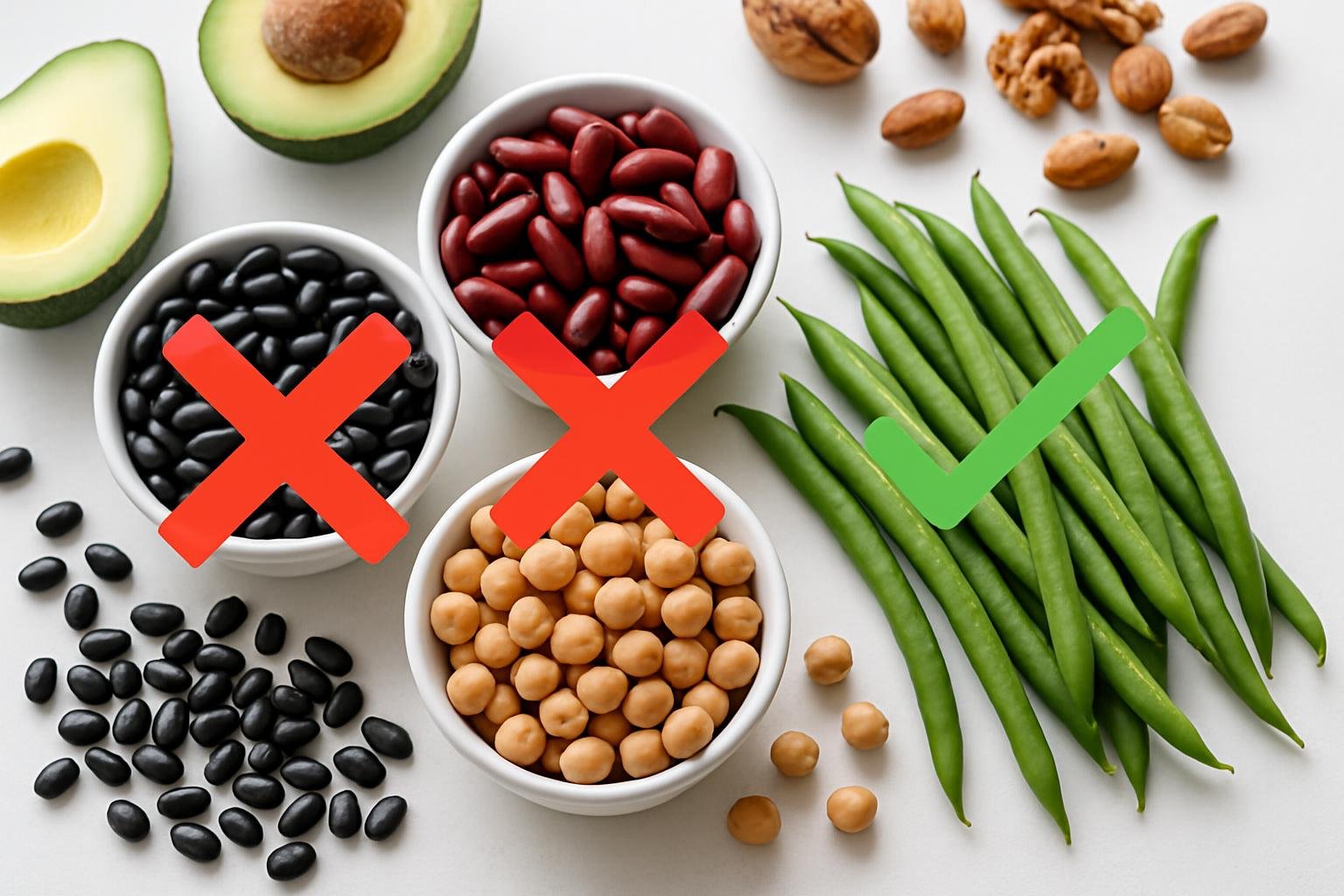
If you’re looking for a way to maintain a healthy lifestyle and are considering different diet options, then the ketogenic diet may be right for you.
What is a ketogenic diet
A ketogenic diet is a dietary approach that focuses on reducing carbohydrates in favor of eating more fat and protein-rich foods which can result in various health benefits.
One of the challenges with following a ketogenic diet can be finding low-carb alternatives to grains when baking, however there are various flours that can help you achieve your goals while still creating delicious baked goods. This post will cover different types of low-carb flours available for creating tasty treats suitable for those following a ketogenic diet as well as tips on how to properly substitute these flours in recipes.
Different types of flours for baking on a ketogenic diet
When it comes to baking low-carb treats for a ketogenic diet, there are several flours that can be used as alternatives to wheat flour.
Coconut Flour

Coconut flour is a popular option, as it has fewer net carbs than almond and nut flours. Additionally, coconut flour can often be used as a direct substitute in baking recipes and is typically easy to find in stores or online.
Almond Flour
Almond flour is another excellent alternative, containing positive health benefits such as being rich in vitamin E and mono-unsaturated fatty acids. Almond flour should be added in combination with other low-carb flours when baking, however it still produces delicious results.
Nut Flours
Lastly, nut flours such as hazelnut and walnut are great options for those looking for even lower net carb content along with additional flavor to their baked goods.
Nut flours are best used when combined with other low-carbohydrate ingredients since they tend to have a higher oil content which will cause the dough or mixture to become too wet when using large quantities.
Tips on how to properly substitute low-carb flours for other grains in recipes
While creating low-carb treats or breads with alternative flours, it’s important to understand how they react differently than wheat flour.
When substituting traditional wheat flour with a low-carb flour, try to use an equal ratio of the substitution. For example, if your recipe calls for one cup of wheat flour, then replace it with an equal quantity of coconut or almond flour.
Also consider adding dry ingredients such as baking powder and baking soda for additional leavening when using low-carbohydrate flours.
Depending on their oil content, some low-carb flour alternatives may require additional liquid ingredients in order to achieve the same texture as that from traditional wheat flours.
Lastly, always make sure to sift through the low-carb flours when using them for baking recipes in order to ensure that all ingredients are blended properly together and that there are no clumps of unmixed food particles.
When it comes to baking on a ketogenic diet, there are many alternatives to traditional wheat flours that can be used. Coconut, almond, and nut flours all have their positive attributes and offer lower net carb content compared with wheat flour.
When substituting these low-carb flours for wheat in recipes, make sure to use an equal ratio of substitution along with additional liquid ingredients as needed. Through experimentation, you can create delicious treats from alternative flours while still maintaining the principles of a ketogenic lifestyle.