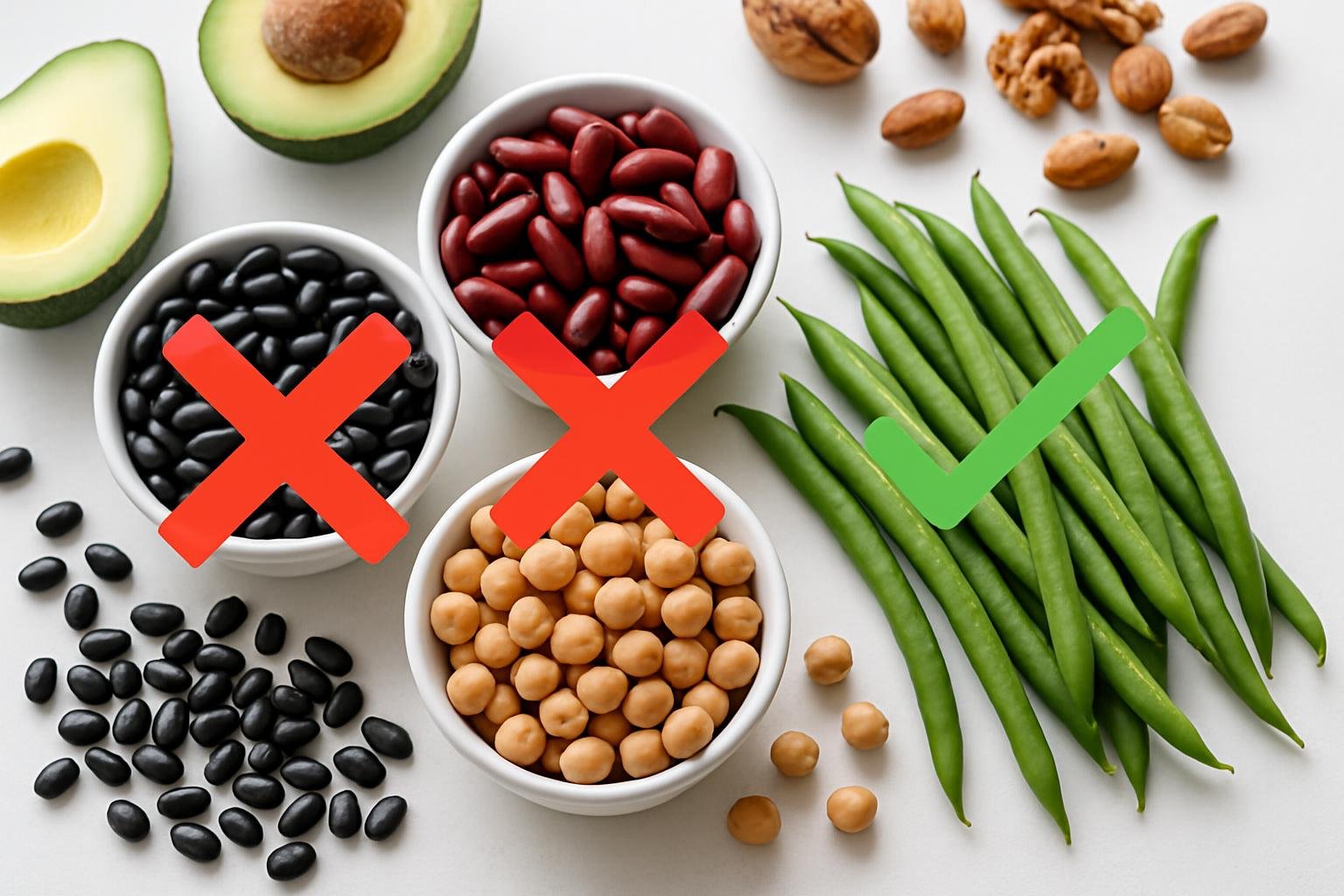
Are you following a ketogenic diet and wondering if you can still enjoy beans? Do you miss adding beans to your favorite recipes but worry they might kick you out of ketosis? These are common concerns for anyone starting a keto lifestyle, especially those who previously relied on beans as a protein source or enjoyed them in traditional dishes.
The relationship between beans and the ketogenic diet is more complex than a simple yes or no answer. While beans are often considered healthy foods packed with protein and fiber, their carbohydrate content presents significant challenges for those following a strict ketogenic eating plan.
Understanding the Ketogenic Diet and Carbohydrate Limits
The ketogenic diet operates on a fundamental principle of severe carbohydrate restriction to induce a metabolic state called ketosis. In this state, your body shifts from using glucose as its primary fuel source to burning fat and producing ketones for energy.
To maintain ketosis, most people following a ketogenic diet must limit their net carbohydrate intake to 20-50 grams per day, with many aiming for the lower end of this range. Net carbohydrates are calculated by subtracting fiber content from total carbohydrates, as fiber is not absorbed by the body and does not impact blood sugar levels.

The standard ketogenic macronutrient breakdown typically consists of:
- 70-80% of calories from fat (approximately 165 grams for a 2000-calorie diet)
- 10-20% of calories from protein (approximately 75 grams for a 2000-calorie diet)
- 5-10% of calories from carbohydrates (20-50 grams for a 2000-calorie diet)
This strict carbohydrate limitation means that every gram of net carbs counts, making it essential to carefully evaluate the carbohydrate content of all foods, including beans.
The Carbohydrate Content of Common Bean Varieties
Most traditional bean varieties contain surprisingly high amounts of carbohydrates, making them incompatible with ketogenic diet requirements. When examining the net carbohydrate content per half-cup serving of cooked beans, the numbers reveal why beans are generally avoided on keto.
High-Carb Bean Varieties to Avoid
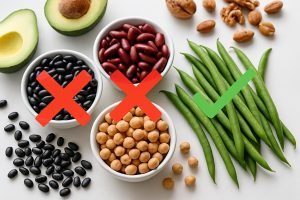
Black beans contain approximately 12.9 grams of net carbohydrates per half-cup serving. This single serving would consume more than half of a strict keto dieter’s daily carbohydrate allowance, leaving little room for vegetables and other essential foods.
Pinto beans are even higher in carbohydrates, with 14.7 grams of net carbs per half-cup serving. These popular beans, commonly used in Mexican cuisine and chili recipes, would quickly exceed daily carb limits for most keto followers.
Kidney beans provide 14.6 grams of net carbohydrates per half-cup serving, making them another variety that must be avoided on a ketogenic diet. Despite their protein content and nutritional benefits, their carbohydrate load is simply too high.
Navy beans contain 14.4 grams of net carbs per half-cup serving, while lima beans provide 13.1 grams and great northern beans offer 12.5 grams of net carbohydrates in the same serving size.
Chickpeas (garbanzo beans) are among the highest in carbohydrates, containing 16.3 grams of net carbs per half-cup serving. Their round, full shape reflects their high starch content, making them particularly unsuitable for ketogenic eating.
Processed Bean Products Are Even Worse
Processed bean products present even greater challenges for keto dieters. Baked beans typically contain around 20 grams of net carbohydrates per half-cup serving, often with added sugars that further increase their carb content.
Refried beans generally provide 12 or more grams of net carbohydrates per half-cup serving, even when prepared without added sugars. The processing and preparation methods can concentrate the carbohydrate content, making these products particularly problematic for ketosis maintenance.
The Few Keto-Friendly Bean Exceptions
While most beans must be avoided on a ketogenic diet, there are three notable exceptions that can be included in moderate amounts.
Green Beans: The True Keto Bean
Green beans stand out as the only traditional bean that is truly keto-friendly. With just 2.9 grams of net carbohydrates per half-cup serving, green beans can easily fit into a ketogenic meal plan. These beans are technically the immature pods of bean plants, harvested before the seeds inside develop their high starch content.
Green beans provide similar nutritional benefits to other low-carb vegetables, offering fiber, vitamins, and minerals while maintaining their low carbohydrate profile. They can be prepared in numerous ways, from simple steaming to incorporation into keto casseroles and side dishes.
Soybean Varieties: The Protein-Rich Options
Black soybeans represent the most keto-friendly legume option, containing only 1.0 gram of net carbohydrates per half-cup serving. These beans offer an excellent protein source while maintaining an extremely low carbohydrate profile.
Mature soybeans provide 3.4 grams of net carbs per half-cup serving, while green soybeans (edamame) contain 3.5 grams of net carbohydrates in the same portion size. All three soybean varieties can be incorporated into ketogenic meal plans when consumed in appropriate portions.
However, it’s important to consider soy sensitivity and quality when choosing soybean products. Some individuals may experience digestive issues or hormonal effects from soy consumption. Additionally, selecting non-GMO and organic soybean products helps avoid chemical pesticide residues commonly found in conventional soy farming.
Why Most Beans Are Incompatible with Keto
The fundamental issue with beans and ketogenic diets lies in their starch content. Each bean can be thought of as a miniature potato, packed with starch that breaks down into simple sugars during digestion. This starch content is what makes beans such an effective energy source in traditional diets, but it’s precisely what makes them problematic for ketosis.
When comparing the net carbohydrate content of beans to other foods, the similarity to starchy vegetables becomes apparent. A half-cup of boiled white potato contains approximately 14.3 grams of net carbohydrates, which falls directly within the range of most bean varieties (12-20 grams per half-cup serving).
This comparison illustrates why beans are often referred to as “miniature potatoes” from a ketogenic perspective. The body processes the starches in beans similarly to how it processes potato starches, converting them to glucose and potentially disrupting ketosis.
Nutritional Comparison Table
| Bean Variety | Total Carbs (½ cup) | Net Carbs (½ cup) | Protein (½ cup) | Keto-Friendly |
|---|---|---|---|---|
| Black Beans | 20.4g | 12.9g | 7.6g | No |
| Pinto Beans | 22.4g | 14.7g | 7.7g | No |
| Kidney Beans | 20.2g | 14.6g | 7.7g | No |
| Navy Beans | 23.9g | 14.4g | 7.5g | No |
| Chickpeas | 22.5g | 16.3g | 6.2g | No |
| Lima Beans | 19.7g | 13.1g | 5.8g | No |
| Green Beans | 4.9g | 2.9g | 1.0g | Yes |
| Black Soybeans | 8.0g | 1.0g | 5.8g | Yes |
| Edamame | 7.5g | 3.5g | 4.3g | Yes |
| Mature Soybeans | 8.6g | 3.4g | 7.3g | Yes |
Keto-Friendly Alternatives to Traditional Beans
For those missing beans in their ketogenic lifestyle, several alternatives can provide similar textures and flavors without the high carbohydrate content.
Vegetable Substitutes
Cauliflower can be seasoned and prepared to mimic the texture of beans in many recipes. When roasted with appropriate spices, cauliflower florets can provide a satisfying substitute in dishes that traditionally call for beans.
Mushrooms offer another excellent alternative, particularly portobello or cremini varieties that can be diced and seasoned to replace beans in soups, stews, and casseroles. With only 1.6 grams of net carbs per cup, mushrooms provide substantial volume and umami flavor.
Zucchini can be diced and used as a bean substitute in many recipes, offering 3.9 grams of net carbs per cup while providing similar texture and the ability to absorb surrounding flavors.
Nut and Seed Options
Lupini beans deserve special mention as they vary significantly in carbohydrate content depending on the brand and preparation method. Some varieties, particularly those made by Brami, contain virtually zero net carbohydrates, while others may contain up to 13.5 grams of net carbs per half-cup serving. Always check nutrition labels carefully when considering lupini bean products.
Hemp hearts provide a bean-like texture with only 1.3 grams of net carbs per ounce, along with substantial protein and healthy fats. They can be added to salads and dishes where you might traditionally use beans.
Practical Tips for Bean Cravings on Keto
Managing cravings for beans while following a ketogenic diet requires both practical substitutions and mindset adjustments.
Recipe Modifications
When adapting traditional recipes that call for beans, focus on maintaining the dish’s overall flavor profile rather than trying to perfectly replicate the bean texture. Use the keto-friendly alternatives mentioned above, but also consider that some dishes may be better reimagined entirely rather than directly substituted.
Chili recipes can be made with ground meat, diced mushrooms, and small amounts of diced tomatoes and onions while maintaining the essential spice blend that defines the dish’s character.
Bean salads can be transformed into vegetable-forward salads using diced cucumbers, bell peppers, and small amounts of the keto-friendly bean alternatives.
Portion Control with Keto-Friendly Options
Even with the keto-friendly bean options (green beans, black soybeans, and edamame), portion control remains essential. While these options are significantly lower in carbohydrates, they still contribute to your daily carb count and should be measured and tracked accordingly.
A reasonable serving size for green beans on keto would be half to one cup, providing 3-6 grams of net carbohydrates. For black soybeans, a quarter to half-cup serving would provide 0.5-1 gram of net carbohydrates, making them the most liberal option for those strictly limiting carbs.
The Science Behind Bean Carbohydrates
Understanding why beans are high in carbohydrates helps explain their incompatibility with ketogenic diets. Beans are seeds designed by nature to provide energy for new plant growth. This energy is stored primarily in the form of starch, which serves as a concentrated carbohydrate source.
The starch content in beans consists mainly of amylose and amylopectin, complex carbohydrates that break down into glucose during digestion. While the fiber content in beans does provide some offset to the total carbohydrate count, the remaining net carbohydrates are still substantial enough to disrupt ketosis in most individuals.
Resistant starch, found in some bean varieties, may provide some metabolic benefits and is less likely to spike blood glucose compared to other starches. However, even accounting for resistant starch, most beans remain too high in available carbohydrates for ketogenic diets.
Long-term Considerations for Bean Consumption on Keto
For individuals following a ketogenic diet long-term, the absence of most beans need not be a significant nutritional concern. The protein found in beans can be easily obtained from animal sources, nuts, seeds, and the keto-friendly bean alternatives discussed above.
The fiber content of beans can be replaced through consumption of low-carb vegetables, particularly leafy greens, cruciferous vegetables, and the small amounts of keto-friendly beans that can be included in the diet.
Micronutrients typically provided by beans, including folate, iron, and potassium, are readily available in keto-approved foods. Leafy greens provide folate, meat provides iron, and avocados and low-carb vegetables supply potassium.
Special Considerations and Individual Variations
Some individuals following less strict ketogenic approaches or cyclical ketogenic diets may be able to incorporate small amounts of higher-carb beans occasionally. However, this requires careful planning and monitoring to ensure ketosis is maintained or quickly re-established.
Athletes following targeted ketogenic diets might time small amounts of bean consumption around workouts when carbohydrates are more likely to be utilized for muscle glycogen replenishment rather than stored as fat or converted to glucose that disrupts ketosis.
Individuals with higher carbohydrate tolerance may find they can maintain ketosis while consuming slightly more carbohydrates than the standard 20-gram limit. These individuals might be able to include small portions of the lower-carb bean varieties while still maintaining their metabolic goals.
Conclusion
The question of whether beans are keto-friendly requires a nuanced answer. Most traditional bean varieties are not compatible with ketogenic diets due to their high net carbohydrate content, which can easily exceed daily carb limits and disrupt ketosis.
However, green beans and soybean varieties represent notable exceptions that can be included in ketogenic meal plans when consumed in appropriate portions. These options provide protein, fiber, and other nutrients while maintaining relatively low carbohydrate profiles.
For those missing beans in their ketogenic lifestyle, focusing on creative alternatives and recipe modifications can help satisfy cravings while maintaining dietary goals. The key is understanding that successful ketogenic eating often requires reimagining traditional dishes rather than trying to directly substitute high-carb ingredients.
Individual tolerance and goals should guide decisions about bean consumption on keto. While strict ketogenic dieters should avoid most beans entirely, those following more flexible low-carb approaches may find room for occasional small portions of lower-carb varieties.
Ultimately, the ketogenic diet’s effectiveness depends on maintaining consistent carbohydrate restriction, and for most people, this means treating traditional beans as foods to avoid while embracing the few keto-friendly exceptions and creative alternatives available.