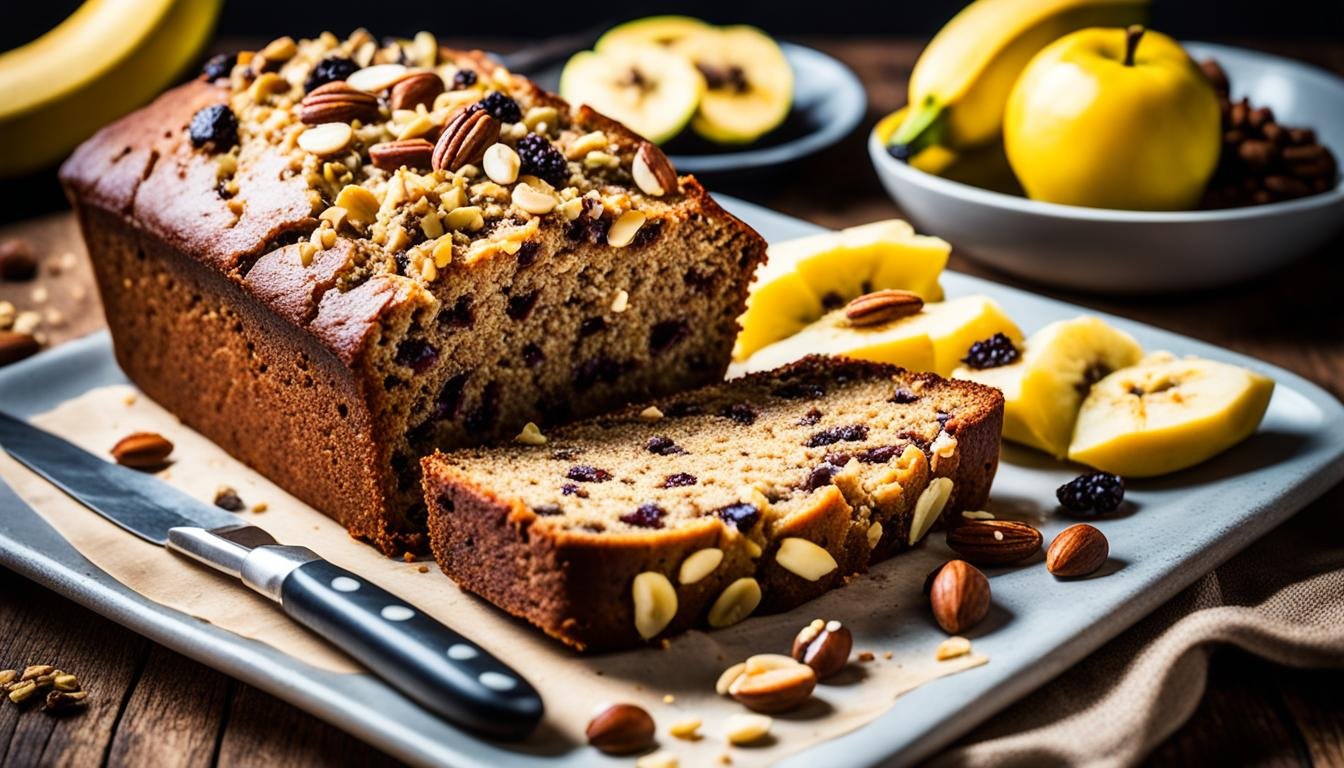
Are you looking for a delicious and satisfying treat that aligns with your ketogenic lifestyle? Look no further than Keto Banana Bread. Not only is it a scrumptious option for those following the keto diet, but it also has significant satiety benefits.
But what exactly do we mean by satiety? Satiety refers to the feeling of fullness and satisfaction after a meal, which plays a crucial role in weight management and overall well-being. By understanding the impact of Keto Banana Bread on satiety, you can enhance your dietary experience while staying on track with your wellness goals.
Key Takeaways:
- Keto Banana Bread is a delicious and satisfying option for those following the keto diet.
- Satiety refers to the feeling of fullness and satisfaction after a meal.
- Keto Banana Bread can help enhance satiety, promoting better weight management.
- The impact of Keto Banana Bread on satiety is influenced by its effects on hunger-regulating hormones.
- Understanding the benefits of Keto Banana Bread can support your overall wellness and dietary journey.
Understanding Insulin and its Impact on Hunger
Insulin is a crucial hormone produced by the pancreas that plays a vital role in regulating blood sugar levels in your body. It acts as a key that unlocks the cells, allowing glucose to enter and provide energy for various bodily functions. In addition to its role in glucose metabolism, insulin also influences hunger and satiety.
When insulin levels are high, typically in response to consuming carbohydrates, it promotes the storage of excess glucose in the form of glycogen in the liver and muscles. This energy reserve can be tapped into later when needed.

However, high insulin levels can also lead to increased fat storage, as insulin inhibits the breakdown of stored fats. This can contribute to weight gain and hinder weight loss efforts.
On the other hand, following a keto diet can help regulate insulin levels by reducing carbohydrate intake. By limiting the availability of glucose, the body shifts into a state of ketosis, where it relies on fats for fuel instead.
This metabolic switch not only promotes the use of fats for energy but also helps to regulate insulin levels. With lower insulin levels, your body is more efficient at burning stored fats, resulting in weight loss.
In addition, the keto diet has been found to increase satiety. When you consume fewer carbohydrates and higher amounts of healthy fats and protein, you tend to feel more satisfied after meals. This satiety effect can help in managing hunger and prevent excessive calorie intake.
Following a keto diet can help regulate insulin levels and promote satiety, making it an effective approach for weight management.
The Role of Glucagon in Energy Release
In the ketogenic diet, glucagon plays a crucial role in energy release and satiety. Glucagon is a hormone released by the pancreas that stimulates the release of stored glucose and fats in the bloodstream for energy. When glucose levels are depleted in the blood, either through carbohydrate restriction or fasting, glucagon is released to mobilize stored energy.
This release of stored energy is essential in promoting satiety and preventing hunger cravings. As the body transitions into a state of ketosis on the keto diet, the depletion of glucose triggers the release of glucagon. This hormone acts on the liver to convert stored glycogen into glucose, which is released into the bloodstream to supply energy to the body.
Additionally, glucagon plays a role in promoting the breakdown of stored fats into free fatty acids and glycerol. These fatty acids can then be used as an alternative source of energy, further supporting satiety by providing a sustained release of fuel.
By following a keto diet, which promotes low carbohydrate intake, you can enhance the release of glucagon and tap into your body’s stored energy reserves. This not only aids in weight loss but also helps maintain a feeling of fullness and satiety throughout the day.
Glucagon’s Role in Satiety
Glucagon’s contribution to satiety can be better understood through its interaction with other hunger-regulating hormones. Insulin, for example, is an opposing hormone to glucagon and is released in response to high blood glucose levels. Insulin promotes fat storage and inhibits the breakdown of stored energy sources, often leading to hunger cravings.
However, on a keto diet where carbohydrate intake is significantly reduced, insulin secretion is minimized while glucagon release is enhanced. This hormonal balance results in a more efficient use of stored energy and better management of satiety.
“The release of glucagon on a keto diet helps tap into stored energy reserves, leading to satiety and weight loss.”
Overall, understanding the role of glucagon in the body’s energy release mechanisms provides valuable insights into the satiety benefits of the keto diet. By following a low-carbohydrate approach, you can optimize glucagon release, tap into stored energy reserves, and experience the satiety that is essential for weight management and overall well-being.
| Hormone | Function |
|---|---|
| Glucagon | Stimulates the release of stored glucose and fats for energy |
| Insulin | Promotes glucose uptake by cells and inhibits fat storage |
| Leptin | Regulates appetite and signals fullness to the brain |
| Ghrelin | Stimulates hunger and promotes food intake |
Leptin’s Influence on Satiety
Leptin, a hormone produced by fat cells, plays a crucial role in regulating satiety. It sends signals to your brain when you are full, signaling that it’s time to stop eating. However, certain factors, such as obesity and a high-carbohydrate diet, can lead to leptin resistance.
Leptin resistance occurs when the body becomes less responsive to the hormone, resulting in a lack of satiety and overeating. This can make it challenging to maintain a healthy weight and achieve your weight loss goals.
The keto diet, with its low-carbohydrate and high-fat approach, can help normalize leptin levels and improve satiety. By reducing carbohydrate intake, the keto diet promotes weight loss and aids in restoring the sensitivity to leptin.
“The keto diet can play a significant role in regulating leptin and enhancing satiety.”
By following a keto diet, you can optimize your body’s response to leptin and reduce cravings, making it easier to adhere to a healthy eating plan. This hormonal balance helps you stay on track with your weight loss goals and achieve long-term success.
Leptin and the Keto Diet
When you adopt a keto diet, your body enters a state of ketosis, where it primarily relies on ketones, produced from fats, for energy. This metabolic switch contributes to weight loss and helps control hormones like leptin.
The keto diet’s low-carbohydrate nature leads to decreased insulin levels and the breakdown of fat for energy. This reduction in insulin secretion helps regulate leptin levels and improve the body’s response to satiety signals.
By rebalancing your leptin levels through the keto diet, you can achieve a healthier relationship with food. Sustained satiety can prevent overeating, support portion control, and ultimately lead to weight loss.
Summary
Leptin plays a vital role in regulating satiety and controlling food intake. However, leptin resistance can lead to overeating and weight gain. The keto diet, with its low-carbohydrate approach, can help normalize leptin levels and improve satiety, supporting long-term weight loss goals.
Ghrelin and the Hunger Response
When it comes to managing hunger, the hormone ghrelin plays a pivotal role. Ghrelin is responsible for stimulating appetite and promoting the release of growth hormone. It is produced mainly in the stomach and is released when the body needs energy or during fasting periods.
High levels of ghrelin can lead to increased hunger, which often leads to overeating and weight gain. However, on a keto diet, the relationship between ghrelin and hunger can be positively influenced.
The keto diet focuses on reducing carbohydrate intake and increasing fat consumption. This dietary approach promotes ketosis, a metabolic state in which the body uses ketones, derived from fats, as its primary source of energy.
Research has shown that the keto diet can help normalize ghrelin levels, leading to reduced hunger and increased satiety. When in ketosis, the body experiences a decrease in ghrelin production, resulting in fewer hunger pangs and cravings.
By following a keto diet, you can maintain stable ghrelin levels, promoting feelings of fullness and satisfaction. This can be especially beneficial for those seeking weight loss or looking to regulate their appetite.
“The keto diet positively impacts ghrelin levels, helping to control hunger and reduce overeating.” – Dr. Nicole Johnson, Nutritionist
Benefits of Keto Diet in Regulating Ghrelin:
- Stable ghrelin levels promote satiety and reduce the urge to overeat.
- Reduced hunger pangs and cravings can lead to better adherence to dietary goals.
- Enhanced weight loss results as a result of improved appetite control.
While the exact mechanisms behind the link between the keto diet and ghrelin regulation are still being explored, the evidence suggests a positive correlation. By following a keto diet, you can better manage hunger, maintain satiety, and support your weight loss journey.
| Ghrelin Regulation on Keto Diet | Effects |
|---|---|
| Promotes satiety | Reduces hunger pangs and cravings |
| Supports weight loss | Enhances appetite control |
Ketogenic Diet and Weight Loss
The ketogenic diet, also known as the keto diet, has gained popularity for its effectiveness in promoting weight loss. This low-carbohydrate, high-fat diet has been shown to have a significant impact on hunger-regulating hormones and the body’s metabolic state, making it a powerful tool for achieving satiety and shedding excess pounds.
One of the key mechanisms behind the weight loss benefits of the keto diet is its ability to reduce carbohydrate intake. By restricting the consumption of carbohydrates, the body is forced to utilize fats as its primary source of fuel. This metabolic shift, known as ketosis, leads to increased fat burning and weight loss.
The keto diet also affects hormones related to hunger and satiety. It has been found to regulate insulin levels, the hormone responsible for facilitating the storage of glucose and promoting hunger. By reducing insulin secretion through carbohydrate restriction, the keto diet helps control cravings and promote feelings of fullness.
In addition to insulin, the keto diet impacts hormones like glucagon, leptin, and ghrelin, all of which play crucial roles in hunger regulation. Glucagon, for example, is responsible for releasing stored glucose and fats in the bloodstream for energy. By depleting glucose levels through carbohydrate restriction, the keto diet promotes the release of glucagon, utilizing stored energy and reducing hunger.
Leptin, the hormone responsible for signaling satiety, can become disrupted in obesity and with a high-carbohydrate diet. The keto diet has been shown to improve leptin levels, leading to a better sense of fullness and reduced overeating.
Lastly, ghrelin, the hormone that stimulates hunger, can be normalized by following the keto diet. High levels of ghrelin can contribute to overeating and weight gain. By regulating ghrelin levels through carbohydrate restriction, the keto diet can help curb hunger and promote satiety.
In conclusion, the ketogenic diet offers a multifaceted approach to weight loss. By reducing carbohydrate intake, promoting fat utilization, and regulating hunger-regulating hormones, the keto diet can lead to increased satiety and significant weight loss.
| Benefits of the Ketogenic Diet for Weight Loss |
|---|
| Reduces carbohydrate intake and promotes fat utilization |
| Regulates insulin levels and controls cravings |
| Promotes the release of glucagon, utilizing stored energy |
| Improves leptin levels, enhancing satiety |
| Normalizes ghrelin levels, reducing hunger |
The Basics of the Ketogenic Diet
The ketogenic diet, also known as the keto diet, is a popular eating plan that has gained traction for its potential health benefits and weight loss effects. It is characterized by a high-fat, moderate-protein, and low-carbohydrate approach, with the goal of putting the body in a state of ketosis.
In ketosis, the body shifts its primary energy source from carbohydrates to fats. By drastically reducing carbohydrate intake and increasing fat consumption, the keto diet triggers a metabolic adaptation where the liver produces ketones – molecules derived from fat breakdown – to fuel the body.
The keto diet typically involves consuming approximately 75% of calories from fat, 20% from protein, and only 5% from carbohydrates. This macronutrient ratio helps the body get into and maintain ketosis.
“The ketogenic diet is a powerful tool for weight loss, as it enables your body to tap into its fat stores for energy. It can also have benefits for various health conditions, including epilepsy and type 2 diabetes.” – Dr. Mark Sisson
Despite its emphasis on fat intake, the keto diet encourages the consumption of healthy fats such as avocados, nuts, seeds, olive oil, and fatty fish, while limiting foods high in carbohydrates like grains, starchy vegetables, and sugars.
Keto Banana Bread Recipe
If you’re following the keto diet but still crave a delicious and satiating treat, keto banana bread can be a fantastic option. This low-carb alternative to traditional banana bread is made with keto-friendly ingredients and does not contain actual bananas. Instead, it relies on ingredients like almond flour, eggs, and natural sweeteners to recreate the taste and texture of banana bread.
| Ingredients: | Instructions: |
|---|---|
|
|
Enjoy a slice of keto banana bread as a satisfying snack or as part of your keto meal plan. With its low-carbohydrate content and delightful flavor, it can help you stay on track with your keto lifestyle while indulging in something delicious.
The Importance of Net Carbs in a Keto Diet
When following a keto diet, understanding the concept of net carbs is crucial for maintaining ketosis and achieving satiety. Net carbs refer to the amount of carbohydrates that impact blood sugar levels and should be minimized to stay within the dietary guidelines of the keto diet.
Net carbs are calculated by subtracting the fiber content from the total carbohydrates in a food. Fiber is not fully digested and does not significantly raise blood sugar levels, making it an ideal component for those on a keto diet. By subtracting fiber from the total carbs, you get the net carbs value which is a more accurate representation of the carb content that affects your body’s metabolic state.
In the case of keto banana bread, knowing the net carb content is essential for making informed dietary choices. By minimizing net carb intake, you can maintain ketosis, a metabolic state where your body uses stored fats as its primary source of fuel instead of carbohydrates. This shift in energy utilization can lead to weight loss and increased satiety.
| Food | Total Carbs | Fiber | Net Carbs |
|---|---|---|---|
| Keto Banana Bread | 15g | 5g | 10g |
| Regular Banana Bread | 30g | 3g | 27g |
The table above compares the net carb content of keto banana bread and regular banana bread. As you can see, keto banana bread contains significantly fewer net carbs than its regular counterpart. By opting for keto-friendly alternatives like this, you can enjoy delicious baked goods while maintaining your keto lifestyle.
When planning your meals on a keto diet, paying attention to net carbs can help you make informed choices and ensure you’re staying within your carbohydrate limits. By minimizing net carb intake, you can maintain ketosis and maximize satiety, ultimately supporting your weight loss goals.
Penia as a Non-Keto-Friendly Option
When following a strict keto diet, it is crucial to choose foods that are low in carbohydrates. Unfortunately, Penia is not a keto-friendly option due to its high carbohydrate content. In fact, Penia contains 54.08 grams of net carbs per 100 grams, which far exceeds the recommended daily carb limit for those on a keto diet.
Staying in a state of ketosis is essential for achieving satiety and weight loss on the keto diet. Consuming high-carb foods like Penia can kick you out of ketosis and hinder your progress.
To maintain ketosis and experience the benefits of increased satiety, it’s important to opt for keto-friendly alternatives. These alternatives are low in carbohydrates and can still provide you with the satisfaction you need on your keto journey.
| Keto-Friendly Alternatives to Penia | Net Carbs per 100 grams |
|---|---|
| Cauliflower | 2 grams |
| Meat (e.g., chicken, beef) | 0 grams |
| Seafood | 0 grams |
| Eggs | 0.6 grams |
| Low-carb vegetables (e.g., spinach, kale) | 2-4 grams |
| Berries (e.g., strawberries, blueberries) | 5-10 grams |
By incorporating these keto-compatible alternatives into your meals, you can continue to enjoy delicious and satisfying options while staying true to your keto goals. These foods are not only low in carbs but also provide essential nutrients to support your overall health and well-being.
Remember, making informed food choices and avoiding high-carb options like Penia are crucial for maintaining ketosis, achieving satiety, and reaching your weight loss goals on the keto diet.
Key Points:
- Penia is not keto-friendly due to its high carbohydrate content.
- Choosing keto-friendly alternatives is important for maintaining ketosis and achieving satiety.
- Consuming high-carb foods like Penia can hinder your progress on the keto diet.
- Cauliflower, meat, seafood, eggs, low-carb vegetables, and berries are excellent keto-friendly alternatives to Penia.
Keto-Friendly Alternatives to Penia
When following a ketogenic diet, it’s important to find delicious and satiating alternatives to high-carb foods like Penia. Explore these keto-compatible options that can be incorporated into your keto meal plan:
Cauliflower
Swap out high-carb grains and starchy vegetables with cauliflower. This versatile vegetable can be used to create keto-friendly versions of rice, mashed potatoes, and even pizza crust. Cauliflower is low in net carbs and rich in fiber, making it a great choice for satiety and nutritional benefits.
Meat and Seafood
Include plenty of protein-rich meats and seafood in your keto meal plan. Opt for grass-fed beef, poultry, pork, wild-caught fish, and shellfish. These options are low in carbs and provide essential nutrients while keeping you satisfied.
Eggs
Eggs are a keto-friendly staple that can be enjoyed in various ways. They are low in carbs and high in protein, making them an excellent choice for satiety. Add eggs to your keto meal plan by enjoying them scrambled, boiled, poached, or as an ingredient in keto-friendly recipes.
Low-Carb Vegetables
Load up on low-carb vegetables like leafy greens, cucumbers, zucchini, broccoli, and asparagus. These vegetables are packed with essential vitamins, minerals, and fiber, while being low in net carbs. Incorporating them into your meals will help promote satiety and enhance your keto diet.
Berries
Satisfy your sweet tooth with keto-friendly berries like strawberries, blueberries, and raspberries. These fruits are relatively low in net carbs compared to other fruits, making them a great addition to your keto meal plan. Enjoy them as a snack, in smoothies, or as a topping for keto-friendly desserts.
By including these keto-compatible alternatives in your meal plan, you can enjoy a variety of delicious and satisfying foods while staying in ketosis. Remember to track your carb intake and adjust portion sizes to fit your individual dietary goals.
Avoiding Penia in Your Keto Meal Plan
Avoiding high-carb foods like Penia is crucial when following a keto meal plan. To successfully navigate your dietary choices, it’s important to be mindful of label reading and ingredient inquiries. By understanding the carb content of foods, you can make informed decisions and stay on track with your keto goals.
One useful strategy for avoiding high-carb foods is tracking your carb intake. There are various tools and apps available that can help you keep a record of the carbs you consume throughout the day. By logging your meals and snacks, you can ensure that you’re staying within your desired carb limits and maintaining ketosis.
Planning your meals ahead of time can also play a significant role in avoiding high-carb foods. By preparing your meals in advance, you can have full control over the ingredients and their carb content. This way, you can enjoy a satisfying and satiating keto meal without the risk of accidentally consuming high-carb options like Penia.
Additionally, it’s essential to find healthy, low-carb alternatives to Penia. Opting for keto-friendly options ensures that you’re still enjoying delicious and satisfying meals while adhering to your dietary goals. Some suitable alternatives to Penia include high-fiber vegetables, lean proteins, and low-carb fruits like berries.
By being diligent in your approach to avoiding high-carb foods and tracking your carb intake, you can successfully maintain ketosis and achieve satiety on your keto journey.
Key Takeaways:
- Avoiding high-carb foods like Penia is crucial when following a keto meal plan.
- Tracking your carb intake with tools and apps can help you stay within your dietary goals.
- Planning your meals ahead of time gives you control over the ingredients and their carb content.
- Finding healthy, low-carb alternatives to Penia ensures you can enjoy satisfying meals while staying in ketosis.
Conclusion
In conclusion, incorporating keto banana bread into your diet can have a positive impact on your satiety levels. This is primarily attributed to its effects on hunger-regulating hormones and the metabolic state of ketosis. By following the keto diet, which focuses on reducing carbohydrate intake and increasing fat consumption, you can regulate insulin, glucagon, leptin, and ghrelin, leading to increased feelings of fullness and weight loss.
It’s important to note that high-carb foods like Penia are not compatible with the keto diet, as they can hinder your progress towards ketosis and satiety. However, there are numerous keto-friendly alternatives available that can be enjoyed while adhering to a ketogenic meal plan. Options such as cauliflower, meat, seafood, eggs, low-carb vegetables, and berries offer similar satisfaction and nutritional benefits.
By being mindful of your carb intake, tracking your food choices, and incorporating keto-compatible alternatives into your meals, you can successfully maintain ketosis and achieve the satiety you desire while following a ketogenic lifestyle.
FAQ
What is the impact of keto banana bread on satiety?
Keto banana bread can have a positive impact on satiety due to its effects on hunger-regulating hormones and the metabolic state of ketosis. By reducing carbohydrate intake and promoting the use of fats for fuel, keto banana bread can help increase feelings of fullness and contribute to weight loss.
How does insulin affect hunger?
Insulin is a hormone that regulates blood sugar levels. It promotes the uptake of glucose from the blood to the cells for energy and inhibits fat storage. The keto diet can help regulate insulin levels by reducing carbohydrate intake and promoting the use of fats for fuel, which can help control hunger and promote satiety.
What is the role of glucagon in energy release?
Glucagon is a hormone that stimulates the release of stored glucose and fats in the bloodstream for energy. The keto diet can promote the release of glucagon by depleting glucose levels in the blood, leading to the use of stored energy for fuel. This can contribute to satiety and weight loss.
How does leptin influence satiety?
Leptin is a hormone produced by fat cells that signals to the brain when you are full and should stop eating. Obesity and a high-carbohydrate diet can lead to leptin resistance, causing a lack of satiety and overeating. The keto diet can help normalize leptin levels and improve satiety, leading to better appetite control.
What is the role of ghrelin in the hunger response?
Ghrelin is a hormone that stimulates hunger and is released when the body needs energy. High levels of ghrelin can lead to overeating and weight gain. The keto diet can help normalize ghrelin levels, reducing hunger and promoting satiety.
How does the ketogenic diet contribute to weight loss?
The ketogenic diet is a high-fat, moderate-protein, low-carbohydrate diet that aims to put the body in a state of ketosis. By reducing carbohydrate intake and promoting the use of fats for fuel, the keto diet can lead to increased satiety and weight loss.
What are the basics of the ketogenic diet?
The ketogenic diet is a high-fat, moderate-protein, low-carbohydrate diet that promotes the production of ketones for energy. It involves reducing carbohydrate intake to induce a metabolic state called ketosis. Keto banana bread can be a delicious and satiating option for those following the keto diet.
Why is the net carb content important in a keto diet?
Net carbs are calculated by subtracting the fiber content from the total carbohydrates in a food. This is important for those following a keto diet as the goal is to minimize net carb intake to maintain ketosis. Understanding the net carb content of foods like keto banana bread is crucial for staying within the dietary guidelines of the keto diet.
Is Penia keto-friendly?
No, Penia is not keto-friendly due to its high carbohydrate content. It contains 54.08 grams of net carbs per 100 grams, which far exceeds the recommended daily carb limit for those on a strict keto diet. Choosing keto-friendly alternatives is important for maintaining ketosis and achieving satiety.
What are some keto-friendly alternatives to Penia?
There are plenty of keto-friendly alternatives to Penia that can be incorporated into a ketogenic diet. Options like cauliflower, meat, seafood, eggs, low-carb vegetables, and berries are low in net carbs and can provide the same satiety and nutritional benefits as Penia.
How can I avoid high-carb foods like Penia in my keto meal plan?
Avoiding high-carb foods like Penia in your keto meal plan requires mindful label reading and ingredient inquiries. Tracking your carb intake using tools and apps can help you stay within your dietary goals. Planning meals ahead of time and finding healthy, low-carb alternatives to Penia can also help you maintain ketosis and achieve satiety.
What is the impact of keto banana bread on satiety?
The impact of keto banana bread on satiety is due to its effects on hunger-regulating hormones and the metabolic state of ketosis. The keto diet can help regulate insulin, glucagon, leptin, and ghrelin, leading to increased satiety and weight loss. While Penia is not keto-friendly, there are plenty of keto-compatible alternatives that can be enjoyed while following a ketogenic diet.