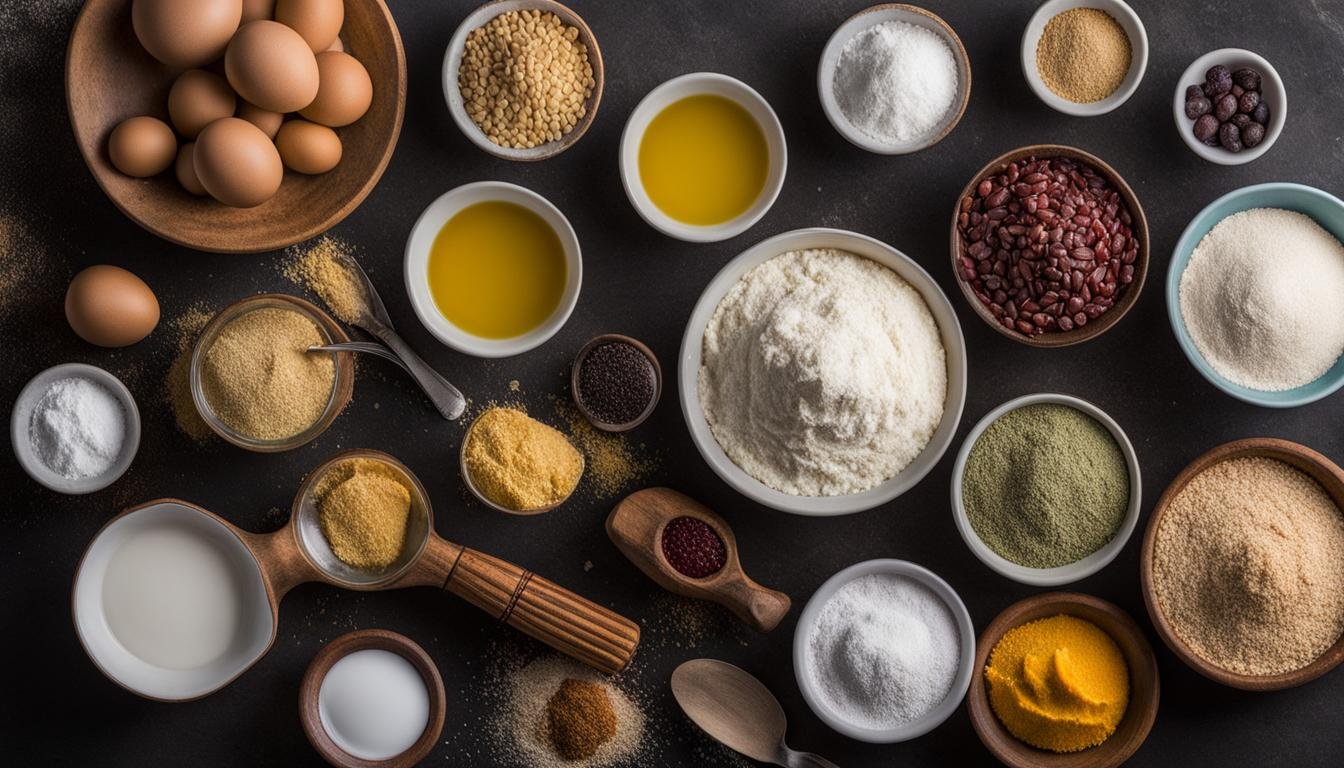
If you’re following a keto diet, there’s no need to miss out on delectable treats. Are you someone who craves the sweet and fluffy taste of baked goods but feels guilty about indulging in them? Well, you’re in luck! Understanding the science behind keto baking can help you create healthy and wholesome treats while still satisfying your cravings.
In this article, we’ll explore the fundamentals of keto baking, including the role of low-carb ingredients and how they affect texture and taste. We’ll also discuss the use of flour, leavening agents, sweeteners, and other key factors that contribute to successful keto baking. Whether you’re an experienced baker or just starting out, learning the science behind keto baking can help you create delicious and healthy treats that will satisfy your taste buds.
Key Takeaways:
- Understanding the science behind keto baking is essential for creating delicious and healthy treats.
- The principles of the ketogenic diet and the importance of using low-carb ingredients form the foundation of keto baking.
- The choice of flour, leavening agents, and sweeteners all contribute to the texture and taste of keto baked goods.
- Challenges in keto baking can be overcome with substitutions and understanding the impact of gluten and carb count.
- Keto baking has numerous health benefits, including weight management and fat burning.
The Fundamentals of Keto Baking
Welcome to the world of keto baking! If you’re new to the ketogenic diet, you may be wondering what it entails. Simply put, the keto diet involves significantly reducing your carb intake and replacing it with healthy fats. Keto baking follows the same principles, allowing you to enjoy delicious treats while staying true to your low-carb lifestyle.
So, what makes keto-friendly ingredients different from traditional ones? Keto-friendly ingredients are low in carbs or free from them altogether! And since carbs are a big no-no on the keto diet, they are replaced with alternatives like almond flour or coconut flour. These low-carb alternatives are also gluten-free, making them an excellent choice for those with gluten sensitivities or allergies.

Here are a few key fundamentals to keep in mind when embarking on your keto baking journey:
The Importance of Low-Carb Ingredients
Low-carb ingredients are the backbone of keto baking. To ensure that your baked goods are keto-friendly, it’s essential to understand which ingredients to include and which to avoid. Common low-carb alternative flours include almond flour and coconut flour. These flours are rich in healthy fats, protein, and fiber and have just a fraction of the carbs found in traditional wheat flour.
Tip: When searching for keto-friendly ingredients, look for products explicitly marketed as low-carb or keto-friendly. These will save you time and ensure that you’re using the right ingredients to achieve a delectable result.
The Principles of the Ketogenic Diet
The ketogenic diet is all about consuming high amounts of healthy fats, moderate protein, and minimal carbs. This balance helps put your body in a state of ketosis, where it burns fat for energy instead of carbs. When it comes to baking, it’s essential to keep the carb count in mind to ensure that your treats remain keto-friendly.
Low-Carb Alternatives to Traditional Baking Ingredients
One of the biggest challenges of keto baking is finding alternatives to traditional baking ingredients like sugar and wheat flour. Luckily, there are plenty of low-carb alternatives to choose from! Stevia and erythritol are popular low-carb sweeteners that can be used in place of sugar. Meanwhile, almond flour and coconut flour are excellent gluten-free flour substitutes.
Experimentation is Key
Experimentation is a significant part of the keto baking process. Don’t be afraid to try out different recipes, ingredients, and techniques. Remember, you may need to adjust the amounts of specific ingredients, such as flour, sweeteners, or leavening agents, depending on the recipe. As you experiment more, you’ll better understand which ingredients work best in specific recipes and how to achieve the perfect texture and taste.
The Role of Flour in Keto Baking
When it comes to keto baking, flour plays a critical role in achieving the right consistency and texture. Traditional flour is high in carbs, which makes it unsuitable for a ketogenic diet. Luckily, there are several keto-friendly flour alternatives available on the market.
Almond flour is one of the most popular low-carb flours and is perfect for gluten-free baking. Its mild nutty flavor makes it a versatile ingredient in many keto recipes. Coconut flour, on the other hand, is highly absorbent and requires less flour in recipes. It is also a good source of fiber and suitable for those following a gluten-free diet. Keto flour is another low-carb flour that is a mixture of different low-carb ingredients, specifically designed for keto baking. It produces baked goods that have a similar texture to those made with regular flour.
When using low-carb flours, it’s important to note that they don’t behave the same way as traditional wheat flour. They require more moisture and sometimes more fat and eggs to attain the right texture. Additionally, low-carb flours tend to be denser, so they require leavening agents to create a lighter texture.
Pro Tip: Try experimenting with different flour combinations to find the perfect balance of taste, texture, and nutritional value in your keto baked goods!
Leavening Agents and Keto Baking
Are you wondering how to create a fluffy texture in your keto baked goods? The answer lies in leavening agents like baking powder and baking soda. These ingredients help your baked treats rise evenly, producing that desirable airy texture.
Baking powder is a combination of baking soda, cream of tartar, and sometimes cornstarch. It produces carbon dioxide gas when exposed to moisture and heat, causing the batter or dough to rise. Make sure to choose a brand with no added sugars or carbs.
Baking soda, on the other hand, is an alkaline compound that reacts with acidic ingredients like vinegar or lemon juice to produce carbon dioxide gas. It works well in recipes that include acidic ingredients, such as buttermilk biscuits or chocolate cake.
When using these leavening agents in keto baking, it’s essential to measure them precisely to avoid excess or insufficient rising. Too much leavening can cause your goods to collapse or taste bitter, while too little can leave them dense and heavy.
Tip: Always double-check the expiration date of your leavening agents. Old or expired baking powder or baking soda can affect the texture and taste of your baked goods.
Sweeteners for Keto Baking
Whether you’re a dedicated keto baker or just starting on the low-carb path, you’ll want to stock up on keto-friendly sweeteners to add a touch of sweetness to your baked goods without compromising your diet. Stevia and erythritol are two popular sweeteners that have gained popularity in keto circles.
Stevia is a calorie-free, all-natural sweetener made from the leaves of the stevia plant. Compared to sugar, stevia is 200 to 300 times sweeter, meaning you’ll need only a small amount to sweeten your keto desserts. In addition, stevia doesn’t raise blood sugar levels, making it a great option for those following a low-carb or ketogenic diet.
Erythritol is a low-calorie, low-carb sweetener that’s chemically similar to sugar but doesn’t contain the glucose or fructose that can elevate blood sugar levels. Erythritol is about 70% as sweet as sugar, so you’ll need to use a larger amount than stevia to achieve the same level of sweetness. However, its grainy texture mimics sugar well, making it an excellent choice for keto baking.
Both stevia and erythritol are versatile sweeteners that can be used in a wide range of low-carb desserts and keto recipes. As with any sweetener, it’s essential to read the label and use in moderation to avoid overconsuming. Remember that while they may be healthier than sugar, they’re still processed ingredients and should be used responsibly.
Treat Yourself to Delicious, Low-Carb Desserts
With stevia and erythritol at your disposal, the world of keto baking is your oyster. Try your hand at whipping up sweet treats such as:
- Keto chocolate cake with stevia and coconut flour
- Erythritol-sweetened strawberry shortcake
- Low-carb pumpkin cheesecake bars with a stevia-sweetened crust
Get creative and experiment with your favorite low-carb ingredients to create satisfying and indulgent desserts that won’t derail your diet. By using keto-friendly sweeteners like stevia and erythritol, you can satisfy your sweet tooth while staying true to your low-carb lifestyle.
Enhancing Flavor and Texture in Keto Baking
When it comes to keto baking, achieving the perfect texture and flavor is essential. Luckily, there are several ways to enhance both of these aspects of your baked goods.
The Importance of High-Fat Ingredients
The keto diet emphasizes the consumption of high-fat foods, and baking is no exception. Incorporating high-fat ingredients like butter, cream cheese, and coconut oil can add richness and depth of flavor to your keto baked goods.
Not only do high-fat ingredients improve the taste, but they also aid in achieving a desirable texture. Fats help keep baked goods moist and tender, making them less likely to crumble or become dry.
The Role of Quality Ingredients in Keto Baking
Using high-quality ingredients can make a significant difference in the taste and nutritional value of your keto baked goods. Opting for organic, non-GMO, and locally sourced ingredients can ensure that you are using the best possible products.
Keto baking also benefits from using low-carb ingredients like almond flour and coconut flour, which have a higher nutritional value than traditional wheat flour. These flours can provide a nutty flavor and a coarser texture, enhancing the overall flavor and texture profile of your baked goods.
Low-Carb Baking Techniques
Low-carb baking techniques like reducing the amount of sugar and using alternative sweeteners such as stevia or erythritol can also improve the flavor profile of your keto baked goods. These sweeteners add sweetness without the added carbohydrates of traditional sugar, allowing you to create delicious treats without affecting your carb count.
Health Benefits of Keto Baking Techniques
Using high-fat and low-carb ingredients in your keto baking can have several health benefits. These ingredients can help regulate blood sugar levels and promote weight loss by keeping you full for longer periods of time. Additionally, the presence of healthy fats can provide your body with essential nutrients and improve your overall health.
Overcoming Challenges in Keto Baking
While the end results of successful keto baking can be delicious, it’s not always easy to achieve them. Luckily, there are a few tips and tricks you can use to overcome some of the most common challenges in keto baking.
Substitutions are Key
One of the biggest challenges in keto baking is finding low-carb substitutes for traditional ingredients like wheat flour. Almond flour and coconut flour are popular low-carb options, but they behave differently in recipes than wheat flour. When substituting traditional flour with these options, be sure to adjust the recipe accordingly.
Understanding Gluten and Carb Count
Gluten is a protein that is found in wheat and other grains and can have an impact on the texture of baked goods. When using gluten-free flours like almond or coconut flour, be aware that the texture may be different. Additionally, paying attention to carb count is crucial in keto baking. Keep in mind that even some keto-friendly ingredients can contain carbs, so it’s important to track them carefully.
Don’t Be Afraid to Experiment
Experimenting with recipes and ingredients is essential in keto baking. Don’t be afraid to try new things and see what works best for you. Keeping notes on what works and what doesn’t can help you perfect your keto baking skills over time.
Exploring Keto-Friendly Recipes
If you’ve been missing your favorite baked treats on your keto diet, fear not! We have a collection of keto-friendly recipes that will satisfy your sweet tooth without sacrificing your health goals. Whether you’re in the mood for some delectable bread or an indulgent dessert, we’ve got you covered.
Keto Bread Recipes
If you’re looking for a bread substitute that’s low-carb and totally delicious, our keto bread recipes are perfect for you. We recommend trying out our almond flour bread recipe, which has a nutty flavor and satisfying texture. Check out the recipe below:
Almond Flour Bread
- 2 cups almond flour
- 1/4 cup psyllium husk
- 1 teaspoon baking powder
- 1/2 teaspoon salt
- 4 eggs
- 1/4 cup melted coconut oil
- 1/2 cup warm water
Mix all ingredients in a bowl until well combined. Pour into a greased loaf pan and bake at 350 degrees Fahrenheit for 40-45 minutes or until the bread is golden brown and fully baked. Serve warm with butter or your favorite keto-friendly spread.
Keto Desserts
Who says you can’t have sweets on a keto diet? Our keto desserts are delicious and guilt-free. Try our recipe for keto-friendly chocolate mousse below:
Keto Chocolate Mousse
- 1 cup heavy cream
- 1/2 cup unsweetened cocoa powder
- 1/2 cup erythritol
- 1 teaspoon vanilla extract
Whip the heavy cream until it forms stiff peaks. In a separate bowl, mix together the cocoa powder, erythritol, and vanilla extract. Fold in the whipped cream until fully combined. Pour the mixture into individual serving dishes and chill for at least two hours before serving. Enjoy!
Keto-Friendly Baked Goods
You don’t have to say goodbye to baked goods just because you’re on a keto diet. Our keto-friendly baked goods are just as delicious as their high-carb counterparts. Try our recipe for keto cinnamon rolls, made with almond flour and cream cheese frosting:
Keto Cinnamon Rolls
- 2 cups almond flour
- 2 tablespoons coconut flour
- 1/4 cup erythritol
- 1 tablespoon baking powder
- 1/2 teaspoon salt
- 3 eggs
- 4 tablespoons melted butter
- 1 teaspoon vanilla extract
- 1 tablespoon cinnamon
- 4 ounces cream cheese
Mix together the almond flour, coconut flour, erythritol, baking powder, and salt in a bowl. Add in the eggs, melted butter, and vanilla extract, and stir until well combined. Roll out the dough into a rectangle shape and sprinkle with cinnamon. Roll the dough up tightly and slice into individual rolls. Bake at 350 degrees Fahrenheit for 20-25 minutes or until fully baked. Mix together the cream cheese and erythritol to make the frosting. Spread the frosting on top of the rolls and serve warm.
With our keto-friendly recipes, you can enjoy delicious baked goods and desserts without compromising your health. Try out these recipes and expand your keto baking repertoire.
The Health Benefits of Keto Baking
If you’re looking for a delicious way to stay healthy, keto baking is the way to go. Beyond the delectable taste and texture, keto baking has many health benefits.
- Weight management: When done right, the ketogenic diet can lead to weight loss. And by using keto-friendly ingredients in your baked goods, you can enjoy tasty treats without sabotaging your weight loss goals.
- Burn fat: By forcing your body into a metabolic state called ketosis, the ketogenic diet can help you burn fat for energy instead of carbs.
- Metabolic state: Ketosis can also have other health benefits, including improving cholesterol and blood pressure levels and helping to control Type 2 diabetes.
- Blood glucose: By drastically reducing carb intake, the ketogenic diet can help regulate blood sugar levels, which is especially beneficial for people with diabetes.
So not only does keto baking taste amazing, it can also help you stay healthy and feel great.
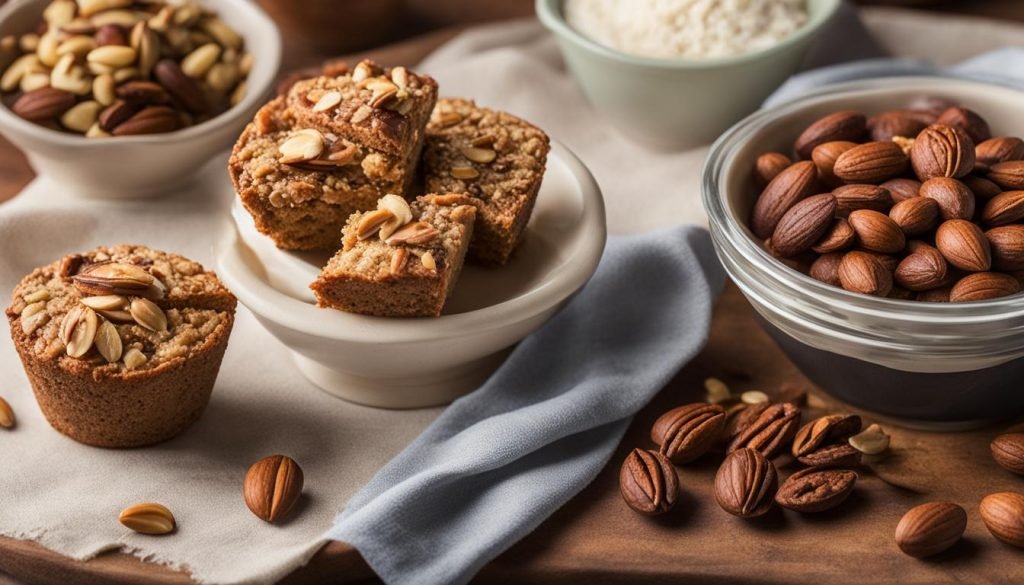
The Science Behind Keto Baking Success
To bake the perfect keto dessert, a basic understanding of the underlying science is essential. Let’s take a closer look at some of the key concepts:
Glycemic Index
The glycemic index is a measure of how quickly a food raises blood glucose levels. When baking keto-friendly desserts, it’s important to use ingredients with a low glycemic index to avoid spiking blood glucose levels. Swerve is a popular keto-friendly sweetener with a glycemic index of zero, making it a great alternative to sugar.
Wheat Gluten
Wheat gluten is a protein in wheat that plays a critical role in determining the structure of baked goods. However, it’s not keto-friendly. Consider using almond or coconut flour in place of wheat flour to achieve a similar structure in your keto baked goods.
Sodium
Sodium is an important component of many leavening agents, like baking powder and baking soda, that are commonly used in baking. However, excessive sodium can be harmful to your health. Make sure to use these ingredients in moderation when keto baking.
Flour and Sugar
Flour and sugar are staples of traditional baking, but they can be detrimental to a keto lifestyle. Almond flour and coconut flour make excellent replacements for traditional wheat flour, while keto-friendly sweeteners like stevia or erythritol can replace sugar in your recipes. Just keep in mind that these alternatives may require you to modify your baking technique.
Understanding the science behind keto baking will allow you to make informed decisions about ingredient selection and baking techniques. With a little practice, you’ll soon be able to bake delicious and healthy keto treats with ease.
Expanding Your Keto Baking Repertoire
Are you tired of the same old keto dessert recipes? Ready to explore the world of keto baking and expand your repertoire? Here are some tips to help you elevate your skills and create delicious treats that fit your keto lifestyle:
1. Incorporate Traditional Baking Techniques
Who says you can’t use traditional baking techniques in your keto recipes? For example, try experimenting with different pie crusts or cake fillings to add variety to your desserts. You can also try using classic techniques like creaming butter and sugar to improve the texture of your baked goods. Just remember to substitute keto-friendly ingredients for traditional ones!
2. Experiment with Flavor Combinations
There are endless flavor combinations to be explored in the world of keto baking! Try incorporating unexpected ingredients like herbs or spices to add depth to your desserts. You can also experiment with different sweeteners to find your perfect balance of sweetness and flavor.
3. Get Inspired by Keto-Friendly Foods
Many keto-friendly foods can serve as inspiration for new baking recipes. For example, why not experiment with incorporating avocado into your desserts for a creamy texture? Or try using coconut cream to make a delicious and dairy-free whipped cream alternative?
4. Try New Keto-Friendly Baking Ingredients
The world of keto baking ingredients is constantly evolving. Consider adding new ingredients like lupin flour or xanthan gum to your pantry to create unique and tasty desserts. Just be sure to research and understand the properties of each ingredient before using them in your recipes.
5. Join a Keto Baking Community
There are many online communities dedicated to keto baking where you can find inspiration, share recipes, and ask questions. Take advantage of these resources to connect with others who share your passion for keto baking and learn new techniques and tips.
By expanding your keto baking repertoire, you can create delicious and healthy treats that fit your keto lifestyle. Whether you’re experimenting with new flavors, ingredients, or techniques, the world of keto baking is waiting for you to explore!
Conclusion
Congratulations! You have now gained a comprehensive understanding of the texture and taste science in keto baking. By exploring the fundamentals of keto baking, the role of flour, leavening agents, sweeteners, and enhancing flavor and texture, you are now well-equipped to overcome challenges and expand your keto baking repertoire.
Keto baking not only offers delicious and delectable treats but also comes with numerous health benefits, including weight management, fat burning, and blood glucose regulation. Understanding the science behind keto baking success, such as the impact of wheat gluten, sodium, and the use of low-carb alternatives, will help you perfect your recipes and achieve the desired results.
Now it’s time to incorporate these insights into your keto lifestyle and explore the vast world of keto baking. Happy baking!
FAQ
What is keto baking?
Keto baking refers to the practice of baking recipes that are made specifically for those following a ketogenic diet. It involves using low-carb, high-fat ingredients to create delicious and wholesome treats that are low in carbs and high in healthy fats.
What are some popular keto-friendly flours?
Some popular keto-friendly flours include almond flour and coconut flour. These flours are gluten-free, low in carbs, and can be used as substitutes for wheat flour in keto baking recipes.
How can leavening agents affect the texture of keto baked goods?
Leavening agents like baking powder and baking soda play a crucial role in achieving the right texture in keto baking. They help create a fluffy texture by producing carbon dioxide gas, which causes the baked goods to rise and become light and airy.
What sweeteners can I use in keto baking?
There are several keto-friendly sweeteners you can use in keto baking, such as stevia and erythritol. These sweeteners provide a sweet taste without adding to the carb count and can be used in a variety of keto desserts and recipes.
How can I enhance the flavor and texture in keto baking?
You can enhance the flavor and texture in keto baking by using high-fat ingredients like butter or coconut oil. These ingredients add richness and depth to your baked goods. Additionally, using quality ingredients with health benefits, such as dark chocolate or nuts, can further enhance both the taste and texture of your keto treats.
What are some challenges in keto baking and how can I overcome them?
Some challenges in keto baking include finding suitable substitutions for traditional ingredients like almond flour or coconut flour and understanding the impact of gluten and carb count. To overcome these challenges, you can explore different low-carb alternatives, consult keto-friendly recipes and resources, and experiment with different flour and ingredient combinations.
Can you provide some keto-friendly recipe ideas?
Of course! Some keto-friendly recipe ideas include keto bread recipes, keto desserts like cheesecake or brownies, and keto-friendly baked goods like muffins or cookies. There are plenty of delicious options to satisfy your cravings while sticking to your keto lifestyle.
What are the health benefits of keto baking?
Keto baking can have several health benefits, including weight management, as the low-carb nature of the recipes can help in achieving and maintaining a healthy weight. Additionally, keto baking promotes burning fat for energy and supports a metabolic state called ketosis. It also helps regulate blood glucose levels, which can be beneficial for those with conditions like diabetes.
What is the science behind successful keto baking?
Successful keto baking involves understanding key concepts like the glycemic index, which measures how quickly a food raises blood glucose levels. It also considers the role of wheat gluten, the impact of sodium, and the effects of flour and sugar on the results of keto baking. By understanding and applying these scientific principles, you can optimize your keto baking outcomes.
How can I expand my keto baking repertoire?
To expand your keto baking repertoire, you can incorporate traditional baking techniques into your keto recipes. This can involve experimenting with different flavor combinations, trying new keto-friendly ingredients, and exploring the wide world of keto baking resources and recipes available online.