Almond Flour’s Empowering Role in Perfecting Keto Banana Bread
Introduction
Picture this: the aroma of freshly baked bread wafting through your kitchen, the comforting warmth it brings to your home, and the anticipation of that first delicious bite.
Now imagine a healthier version of that beloved classic – almond flour banana bread. Not only does it have all the moist and tender goodness you expect from a traditional banana bread, but it also packs a nutritional punch.
In this article, we will delve into the fascinating world of almond flour and explore its role in creating delectable keto-friendly banana bread. Before we dive in, let’s take a moment to understand what exactly almond flour is.
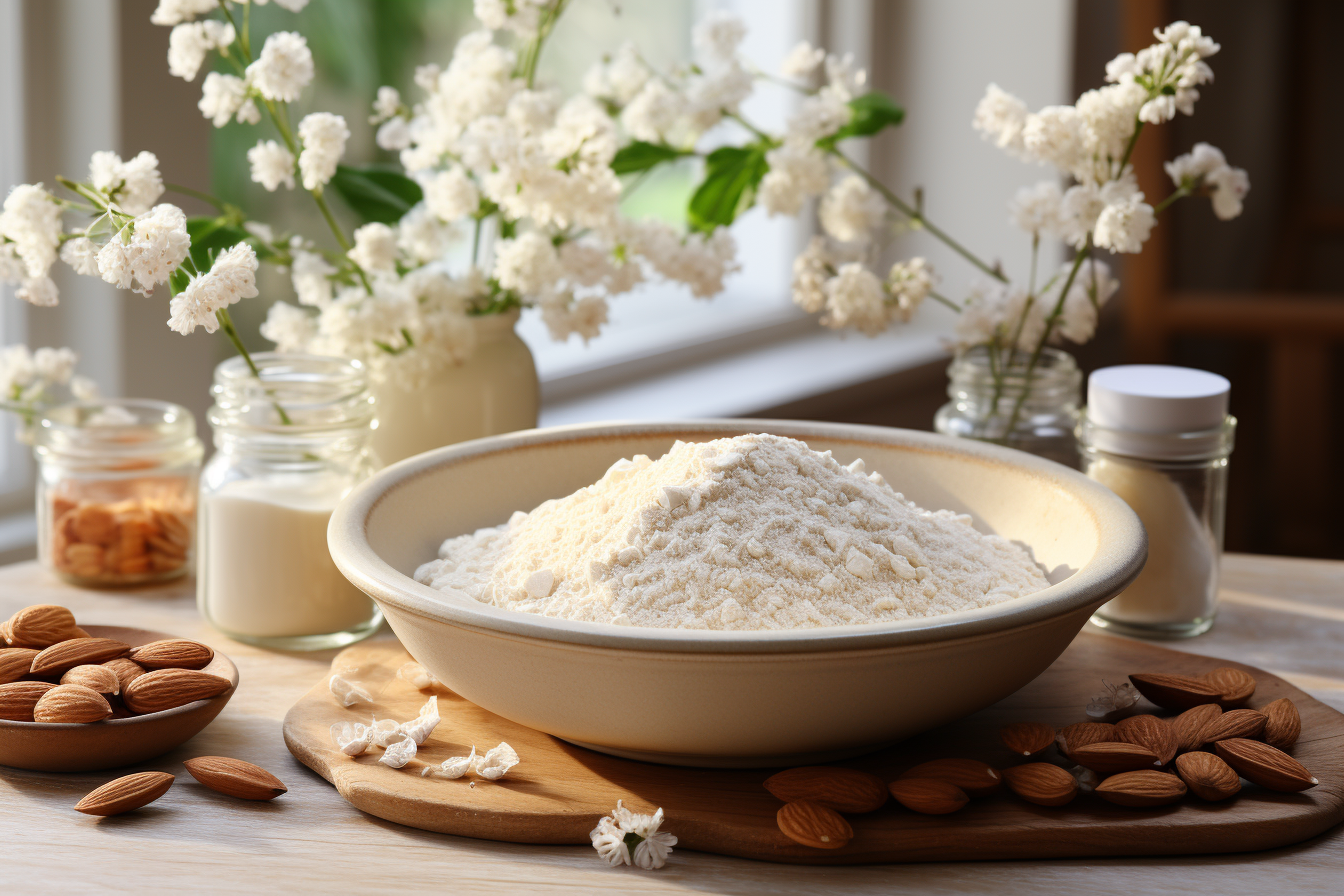
Unlike regular all-purpose flour derived from grains, almond flour is made from finely ground blanched almonds. This process gives almond flour its distinctive texture and flavor that adds depth to any recipe it graces.

It’s important to note that almond meal is slightly different from almond flour – while both are made from almonds, the meal still contains the skins making it slightly coarser. So why would one choose almond flour over traditional flour for baking?
Well, there are several reasons to make this switch. Firstly, if you’re following a ketogenic diet or simply trying to reduce your carbohydrate intake, almond flour is an excellent alternative as it contains significantly fewer carbs than regular wheat-based flours.
Additionally, if you have dietary restrictions such as gluten intolerance or celiac disease, using almond flour allows you to indulge in delicious baked goods without compromising your health. Now let’s explore how exactly almond flour elevates our beloved banana bread recipe into a healthier option without sacrificing flavor or texture.
Almond flour adds a wonderfully nutty undertone that complements the sweetness of ripe bananas perfectly. Moreover, its high fat content contributes to achieving that desirable moistness in quick breads like banana bread.
One great recipe utilizing almond flour for keto banana bread involves combining three ripe bananas with eggs and a cup of almond flour as the base. The addition of a natural sweetener such as stevia or erythritol keeps the bread low in sugar while still providing a delightful taste.
To enhance the flavor profile, a touch of almond butter can be added, giving your banana bread an extra layer of richness. When baking with almond flour, it’s crucial to consider its slightly different properties from regular flour.
Almond flour lacks gluten, which means it doesn’t provide the same structure and elasticity as traditional flours. To compensate for this, it’s common to include additives like baking powder or xanthan gum to help with the rise and structure of your baked goods.
Almond flour is a fantastic choice for those seeking a healthier alternative in their baking endeavors. Its unique texture and nutty flavor contribute to mouthwatering treats like keto banana bread.
With its lower carbohydrate content and gluten-free properties, almond flour allows you to indulge guilt-free while maintaining your dietary preferences or restrictions. So grab those ripe bananas, some almond flour, and get ready to experience the magic of this versatile ingredient in creating delightful almond flour banana bread!
Understanding Almond Flour
Almond flour has become quite the superstar ingredient, especially in the world of gluten-free and low-carb baking. But what exactly is almond flour, and why is it so popular?
Well, let’s dive into the wonderful world of this nutty delight. Almond flour is simply finely ground almonds.
It’s made by blanching almonds to remove their skin and then grinding them into a fine powder. The result is a light, fluffy flour that adds a delicate texture to baked goods.
Unlike traditional flours like all-purpose or wheat flour, almond flour contains no gluten, making it an excellent option for those with gluten sensitivities or following a gluten-free diet. When it comes to baking healthy banana bread or any other baked goodies, almond flour shines in more ways than one.
First off, it’s low in carbs and high in healthy fats and protein – perfect for those following a keto diet or looking for alternatives to traditional flours. Plus, its subtle nuttiness adds a unique flavor profile that pairs beautifully with banana.
Speaking of banana bread, using almond flour instead of regular wheat-based flours can transform your favorite moist loaf into a healthier treat without sacrificing taste. Almond flour works wonders in creating a super moist and tender crumb while providing some added nutritional benefits.
Not only does almond flour lend itself well to creating delectable baked goods, but it also boasts an impressive nutrient profile. Packed with vitamin E, magnesium, and antioxidants like flavonoids and phenols, this versatile ingredient offers more than just great taste – it promotes overall well-being too!
Now that you understand what almond flour is all about let’s explore the differences between this nutty wonder and its conventional counterpart as we continue our journey into the realm of keto banana bread goodness. Get ready for some serious mouthwatering moments!
Almond Flour vs. Traditional Flour
When it comes to baking, choosing the right flour is crucial. Traditional flour, made from grains like wheat, is a staple in many recipes.
However, if you’re following a keto diet or looking for a gluten-free alternative, almond flour might be the perfect substitute. Let’s dive into the differences between almond flour and traditional flour and see why almond flour shines in keto banana bread.
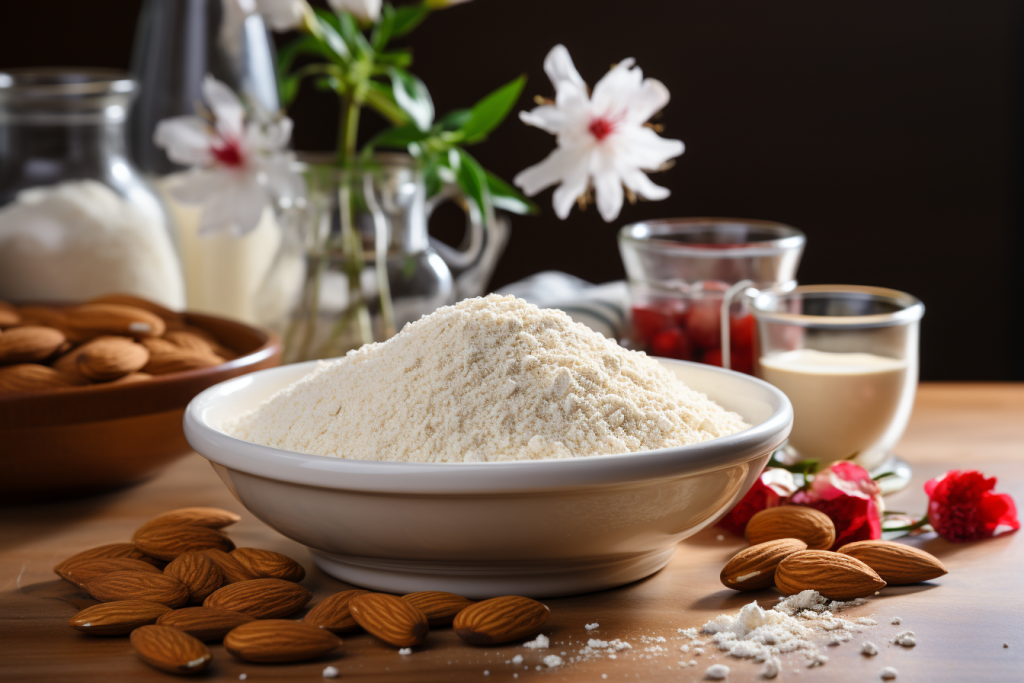
One of the main distinctions between almond flour and traditional flour is their composition. Almond flour is made by grinding blanched almonds until they reach a finely ground consistency.
On the other hand, traditional flour is typically made from wheat or other grains that are milled into a fine powder. This fundamental difference results in varying textures and properties when incorporated into baking recipes.
Almond flour offers several advantages over its traditional counterpart. First and foremost, it’s low in carbohydrates and high in healthy fats, making it an excellent choice for those following a keto diet or looking to reduce their carb intake.
It also contains more fiber than traditional flours, which helps with digestion and promotes a feeling of fullness. When it comes to baking quick breads like banana bread with almond flour instead of regular all-purpose or wheat flours, there are some key differences to keep in mind.
Almond flour does not contain gluten (the protein responsible for giving structure to baked goods), so using it alone can result in a denser texture compared to traditional flours. To combat this, you can combine almond flour with other gluten-free flours such as coconut or tapioca flour for better results.
In terms of flavor profile, almond flour brings its unique nuttiness that pairs wonderfully with banana flavor in banana bread recipes. The richness of almonds adds depth and complexity to your baked goods that you won’t find with regular all-purpose flours.
Additionally, using almond butter along with almond flour can enhance the moistness factor while intensifying the overall nutty taste. Another advantage of almond flour is its ability to retain moisture.
It’s a common challenge when baking gluten-free breads to achieve a moist texture, but almond flour comes to the rescue. The natural oils present in almonds contribute to super moist and tender results, making almond flour banana bread an absolute delight.
Choosing between almond flour and traditional flour depends on your dietary needs and preferences. Almond flour shines particularly bright in keto baking and gluten-free recipes like banana bread.
Its low carbohydrate content, high healthy fat content, and unique flavor make it an excellent choice for those looking for healthier alternatives or following specific diets. So why not try this great recipe for banana bread with almond flour and experience the delightful marriage of flavors yourself?
The Role of Almond Flour in Keto Banana Bread

When it comes to baking delicious and healthy treats, almond flour is a game-changer, especially in the realm of keto banana bread. Almond flour is a versatile alternative to traditional wheat flour that offers numerous benefits for those following a low-carb or gluten-free lifestyle.
Let’s dive into how almond flour plays a crucial role in creating moist and flavorful banana bread without compromising on taste or health. One of the primary reasons almond flour shines in keto banana bread is its low carbohydrate content.
Unlike regular wheat flour, which can be high in carbs and spike your blood sugar levels, almond flour contains significantly fewer carbohydrates. This makes it an excellent choice for individuals following a ketogenic diet or those who want to reduce their carb intake.
By using almond flour instead of wheat flour, you can indulge in a slice of this delicious quick bread without guilt or worries about derailing your nutritional goals. Another advantage of using almond flour instead of traditional flours is its natural nutty flavor that complements the banana’s sweetness perfectly.
Almonds have a distinct taste that adds depth and richness to baked goods like banana bread. The combination of ripe bananas and almond flour creates an incredible symphony of flavors that will make your taste buds dance with joy.
Moreover, almond flour helps maintain the moistness in keto banana bread while ensuring the final product has an appealing texture. The higher fat content in almonds contributes to this desirable outcome, making your loaf soft and tender.
No one wants dry and crumbly banana bread, right? With almond flour as the star ingredient, you can say goodbye to lackluster results and hello to irresistibly moist slices.
In addition to being low-carb and flavor-packed, another important aspect where almond flour shines is its nutritional profile. It contains essential nutrients such as protein, fiber, healthy fats, vitamins (like vitamin E), minerals (such as magnesium), and antioxidants.
These nutrients not only nourish your body but also contribute to a healthy heart, brain, and overall well-being. To experience the magic of almond flour in action, why not try this fantastic almond flour banana bread recipe?
It’s easy to make and requires just a cup of almond flour. Simply combine ripe bananas, almond flour, eggs, a touch of coconut sugar (for added sweetness), baking powder, and a dollop of almond butter for extra richness.
Mix everything together, pour it into a loaf pan lined with parchment paper, and bake until golden brown. The result?
A fragrant and wholesome loaf of banana bread that will satisfy your cravings while keeping you on track with your health goals. Almond flour is an indispensable ingredient when it comes to creating delicious and healthy banana bread that aligns with a keto lifestyle.
Its low carbohydrate content, nutty flavor, ability to retain moisture in baked goods, and nutrient profile make it the ideal choice for those seeking a mouthwatering yet guilt-free treat. So go ahead and grab that bag of almond flour from your pantry – it’s time to whip up an incredible loaf of keto banana bread that will impress both your taste buds and health-conscious friends!
Recipe for Keto Banana Bread with Almond Flour
Now, I present to you a fantastic recipe for Keto Banana Bread with Almond Flour. Get ready to have your taste buds dancing with delight! To start, gather the following ingredients: 2 cups of blanched almond flour, 1 teaspoon of baking powder, 1/2 teaspoon of salt, 3 ripe bananas (the riper, the better!), 1/4 cup of melted coconut oil, 4 large eggs, and a sweetener of your choice (such as stevia or erythritol) to taste.
Preheat your oven to 350°F (175°C) and grease a loaf pan with some coconut oil. In a large bowl, combine the almond flour, baking powder, and salt.
Mix them together until well combined. Next, grab those ripe bananas and mash them up in another bowl using a fork or potato masher until they become nice and smooth.
Add in the melted coconut oil and eggs to the mashed bananas and mix it all together until well incorporated. Pour the wet mixture into the dry mixture that you prepared earlier.
Stir everything together until you have a smooth batter with no lumps remaining. If you prefer your banana bread on the sweeter side, now is the time to add in your preferred sweetener – adjust according to your taste preferences.
Once everything is well mixed and sweetened (if desired), pour the batter into your greased loaf pan. Smooth out the top with a spatula for an even surface.
Now comes the exciting part – baking! Pop that loaf pan into your preheated oven and let it work its magic for about 50-60 minutes.
Keep an eye on it as every oven is different; you want it to be golden brown on top but still moist inside. Once cooked through, remove from the oven and let it cool in the pan for about 10-15 minutes before transferring it onto a wire rack for further cooling.
The aroma of freshly baked banana bread will fill your kitchen, making it hard to resist taking a quick nibble. Now that your delicious almond flour banana bread is cooled, it’s time to dig in!
Slice a piece and enjoy the super moist texture and subtle nutty flavor that the almond flour brings to this healthy banana bread. It’s perfect for breakfast, as a snack, or even as a guilt-free dessert.
This recipe is just one example of the many wonderful almond flour recipes out there. If you’re looking to explore more gluten-free alternatives or simply want to experiment with different flavors in your baking, don’t hesitate to use almond flour instead of regular wheat flour.
Its versatility and health benefits make it a great choice for all kinds of baked goods. So, why not give this almond flour banana bread recipe a try?
Your taste buds will thank you, and your friends and family will be impressed by your baking skills. Enjoy the delightful combination of ripe bananas and the nutty goodness of almond flour – it’s sure to become a favorite in no time!
Additional Tips for Keto Baking with Almond Flour
When it comes to keto baking with almond flour, there are a few additional tips that can help you achieve the best results. Almond flour behaves differently than traditional wheat flour, so it’s important to keep these pointers in mind to ensure your baked goods turn out deliciously.
Firstly, it’s essential to use blanched almond flour for keto baking. Blanched almond flour refers to almonds that have had their skins removed before grinding.
This type of almond flour has a finer texture and lighter color, resulting in better consistency and appearance in your final product. It also has a milder taste compared to almond meal, which can have a coarser texture.
When using almond flour instead of wheat flour in a recipe, it’s important to note that the two flours have different absorbent qualities. Almond flour tends to absorb more moisture than wheat flour, so you might need to adjust the liquid content of your recipes accordingly.
If your batter appears too dry or dense after incorporating the almond flour, try adding a bit more liquid such as eggs or oil until you achieve the desired consistency. To enhance the flavor and moisture of your keto banana bread with almond flour, make sure you’re using perfectly ripe bananas.
Ripe bananas not only add natural sweetness but also provide extra moisture and richness to the bread. Overripe bananas work great for this purpose as they are easier to mash and blend into the batter smoothly.
Another tip is to consider adding some fat sources such as butter or coconut oil when making banana bread with almond flour. Since almonds are naturally high in fat, incorporating additional fats can contribute even more moistness and tenderness to your baked goods.
Melted butter or coconut oil can be mixed into the batter along with other wet ingredients like eggs and mashed bananas. Don’t be afraid to experiment with different variations of recipes using almond flour.
There are plenty of delicious options beyond just banana bread! Explore almond flour recipes for muffins, cookies, pancakes, and other baked treats.
Almond flour can be a versatile ingredient in keto baking, offering a nutty flavor and a tender crumb to your creations. When it comes to keto baking with almond flour, using blanched almond flour, adjusting liquid content as needed, using ripe bananas for moisture, incorporating additional fats like butter or coconut oil, and exploring various almond flour recipes are all essential tips.
By following these suggestions and making necessary tweaks along the way, you’ll be able to create mouthwatering and satisfying treats that are both keto-friendly and enjoyable for everyone. So go ahead, try this recipe for almond flour banana bread or venture into new bread recipes – you’ll surely love the results!
FAQ
Q: What is the role of almond flour in keto banana bread?
A: Almond flour is a key ingredient in keto banana bread as it provides a grain-free and low-carb option. It helps to give the bread a moist and tender texture.
Q: Can I make almond flour banana bread with regular flour?
A: No, almond flour is a specific type of flour made from ground almonds and offers a different texture and nutritional profile compared to regular flour. Using regular flour will not yield the same results.
Q: Are there any specific recipes that I can use almond flour for?
A: Yes, almond flour can be used in various recipes such as bread, muffins, cakes, cookies, and pancakes, to name a few. It is a versatile flour option for those seeking gluten-free, low-carb, or grain-free alternatives.
Q: What is the best almond flour banana bread recipe?
A: There are many great almond flour banana bread recipes out there. It ultimately depends on your personal preferences. You can experiment with different recipes and find the one that you enjoy the most.
Q: Can I swap almond flour for another type of flour in my banana bread recipe?
A: You can try swapping almond flour with another nut flour, such as coconut flour or hazelnut flour. However, keep in mind that different flours have different properties, so the texture and flavor of the final product may vary.
Q: How can I make keto banana bread with almond flour?
A: To make keto banana bread with almond flour, you will need a recipe specifically designed for this purpose. Look for recipes that use low-carb sweeteners and incorporate almond flour as the main ingredient.
Q: Is almond flour banana bread sugar-free?
A: Yes, almond flour banana bread can be made sugar-free by using alternative sweeteners such as stevia, erythritol, or monk fruit sweetener.
Q: Is almond flour banana bread considered a healthy option?
A: Almond flour banana bread can be a healthier option compared to traditional banana bread made with regular flour. It is higher in healthy fats, lower in carbohydrates, and provides more fiber and protein.
Q: Can I make banana bread with almond flour without using any other types of flour?
A: Yes, you can make banana bread with only almond flour. There are many recipes available that use almond flour as the sole flour ingredient, providing a gluten-free and grain-free option.
Q: Can I use almond flour to make other bread recipes?
A: Yes, almond flour can be used in various bread recipes, both sweet and savory. It adds a unique flavor and texture to the bread, making it a popular choice among those following a gluten-free or low-carb lifestyle.
Conclusion
Almond flour is an exceptional ingredient in the realm of keto baking, and its role in creating a delicious and healthy banana bread cannot be understated. By replacing traditional wheat flour with almond flour, we not only eliminate gluten but also introduce a wealth of nutritional benefits into our baked goods.
The use of blanched almond flour ensures a light and fluffy texture while retaining all the nutty goodness. And let’s not forget the star ingredient itself – the banana!
The natural sweetness and moisture from ripe bananas complement the almond flour perfectly, resulting in a delightful flavor profile. The versatility of almond flour extends beyond this banana bread recipe; it can be used in various other bread recipes as well as cakes, cookies, and muffins.
So why not explore more almond flour recipes? You’ll be amazed at how it transforms your favorite baked treats into healthier alternatives without sacrificing taste or texture.
If you’re new to baking with almond flour, don’t worry! With some practice and experimentation, you’ll soon become adept at using this fantastic ingredient.
Remember to follow measurements closely, as using too much or too little can alter the final outcome. Additionally, if you’re looking for alternatives or variations to this recipe, consider incorporating coconut flour alongside your almond flour for added flavor complexity.
So go ahead and give this amazing almond flour banana bread recipe a try – it’s sure to become a staple in your keto baking repertoire. It’s an easy-to-follow recipe that yields a moist and satisfying loaf that will have your family and friends coming back for seconds (and maybe even thirds!).
Plus, knowing that you’re nourishing your body with wholesome ingredients while indulging in something so decadent will fill you with both delight and pride. Almond flour is an incredible substitute for wheat flours in keto baking due to its numerous health benefits and ability to create moist and delicious treats like our beloved banana bread.
This great recipe showcases how almond flour can elevate your baking, providing a healthier alternative without compromising on taste. So grab your loaf pan, some ripe bananas, and a cup of almond flour – it’s time to make this recipe and enjoy the goodness of almond flour banana bread.